Choosing the China best Resveratrol Supplement manufacturer requires more than comparing prices. Product quality depends on raw-material identity, extraction methods, testing depth, and supply-chain discipline. The global resveratrol market remains specialized, but demand is expanding. Grand View Research estimates continued growth through 2030, supported by interest in healthy aging and botanical nutrition. However, market estimates differ by report scope and product definition. That uncertainty deserves attention.
A supplier should provide batch-specific certificates of analysis, testing for purity, heavy metals, microbes, and residual solvents. Independent laboratory verification is valuable. So is traceability from grape skin, Japanese knotweed, or another declared source. The U.S. National Institutes of Health notes that human evidence for resveratrol remains limited and inconsistent. Therefore, responsible manufacturers should avoid disease-treatment promises and explain realistic product expectations.
Dr. David Sinclair, a widely cited aging researcher, has described resveratrol as “a molecule that activates SIRT1.” This statement reflects scientific interest, not proof of universal benefits. A credible Chinese supplier should present evidence carefully, including dosage limits, stability data, and storage instructions. Look for dark, sealed containers and clear lot numbers. Small details matter.
The decision is not perfectly simple. Some suppliers show impressive laboratory results but weak documentation. Others communicate well but lack meaningful clinical support. Reports from Fortune Business Insights and Grand View Research can indicate market direction, yet they cannot replace factory audits or independent testing. The best Resveratrol Supplement partner combines manufacturing experience, transparent evidence, regulatory awareness, and honest limitations. That standard may reduce the number of available suppliers, but it improves trust.
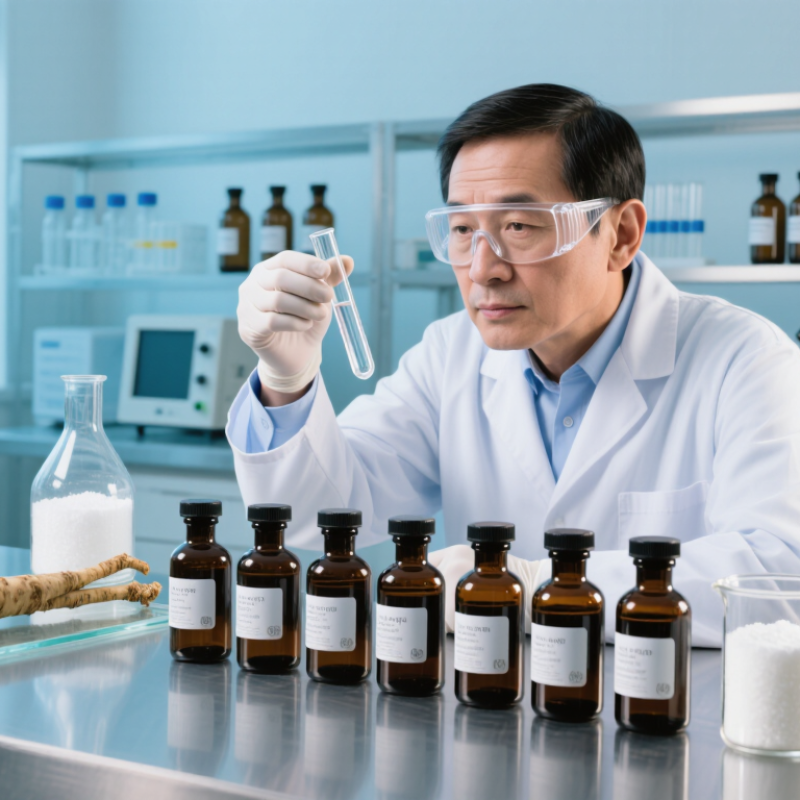
China Best Resveratrol Supplement Manufacturer or Supplier?
Resveratrol supplements usually contain trans-resveratrol, cis-resveratrol, or blended extracts. Trans-resveratrol is the form most commonly tested in human research. Japanese knotweed root extract often provides concentrated material. Grape skins and red grapes offer a food-based source, but their resveratrol levels vary by variety, climate, and processing.
The ≥98% HPLC grade needs careful interpretation. HPLC measures chemical purity within the tested sample. It does not automatically confirm identity, stability, absorption, or contaminant control. A reliable supplier should provide batch-specific HPLC results, residual-solvent testing, heavy-metal results, microbiological data, and an authenticated certificate of analysis. Independent laboratories should verify these documents. The Global Organization for EPA and DHA Omega-3s is not directly relevant here, which is a useful reminder: not every industry quality standard applies to every ingredient. I still see buyers treating one percentage as the whole quality story.
Tips: Ask whether the specification means 98% trans-resveratrol or 98% total resveratrol. Check the test method, reference standard, sample date, and laboratory credentials. Request stability data under real storage conditions, especially heat and humidity. Supplier audits should also examine traceability from raw botanical material to finished powder.
The Council for Responsible Nutrition’s 2023 survey reported that 74% of U.S. adults use dietary supplements. That broad market increases the need for transparent sourcing and realistic claims. A professional manufacturer should explain limitations clearly, instead of promising dramatic results from a purity number alone.
Resveratrol is found primarily in the skins of red grapes, berries, peanuts, and Japanese knotweed. Trans-resveratrol and cis-resveratrol have the same molecular formula and molecular weight, while polydatin is a glucoside derivative and pterostilbene is a methoxylated stilbene. A specification of ≥98% HPLC generally refers to chromatographic purity and should be verified with a batch-specific certificate of analysis.
When evaluating a Chinese resveratrol manufacturer, certificates should support real production practices. GMP shows controlled manufacturing, sanitation, training, and batch records. ISO 9001 focuses on quality management and documented corrective actions. HACCP identifies possible hazards during receiving, processing, storage, and packaging. These standards matter only when workers follow them daily.
A reliable supplier should provide a current COA for each batch, not a generic template. Check the batch number, manufacturing date, assay result, and testing methods. Review limits for heavy metals, microbes, residual solvents, and unwanted contaminants. The laboratory name and contact details should be traceable. A polished certificate is not enough. Request supporting test records when results seem unusually perfect.
Tips: Ask for a live factory video or scheduled audit. Compare the COA batch number with the package label. Confirm whether testing is performed internally or by an independent laboratory. Check certificate validity directly with the issuing body. Also inspect storage conditions, such as sealed containers, humidity control, and clear pallet labels. Small details reveal operational discipline. One weakness remains: documents can look complete while production practices vary. Recheck important claims before placing a large order.
China Best Resveratrol Supplement Manufacturer or Supplier?
Quality Testing: HPLC Assay, Heavy Metals, Microbial Limits, and Stability
Choosing a reliable resveratrol supplement supplier requires more than reviewing a product photograph. In practical sourcing, quality begins with traceable raw materials, controlled production records, and clear batch identification.
HPLC assay testing measures resveratrol content and helps confirm the ingredient profile. A credible laboratory should report the method, reference standard, sample number, and actual result. Do not accept only a general “pass” statement. The details matter.
Heavy metal testing should examine lead, arsenic, cadmium, and mercury. Results should match applicable safety requirements for the intended market. Microbial testing commonly includes total aerobic counts, yeast, mold, and specified pathogens. Clean handling matters here. A single laboratory result cannot replace continuous process control.
Stability testing adds another layer of evidence. Samples may be stored under controlled temperature and humidity conditions, then tested at planned intervals. This helps assess potency, appearance, and packaging performance during storage. Light and oxygen can still create risks.
A clean report is not proof of perfect manufacturing. It is evidence from one defined sample and date. Suppliers should provide current certificates, retain samples, and explain deviations honestly. In some cases, testing plans are incomplete or overly narrow. That weakness deserves review, not concealment. Clear communication often reveals more than polished sales language.
China Best Resveratrol Supplement Manufacturer or Supplier?
Supplier comparison should begin with measurable operating details, not polished catalogs. Grand View Research valued the global dietary supplements market at USD 177.5 billion in 2023. That scale increases pressure on consistency and delivery. Ask for MOQ by dosage form, not only by kilogram. A practical benchmark is 100–500 kilograms for standard powder orders, while customized capsules may require higher minimums. Confirm whether the MOQ includes packaging materials.
Lead time should be separated into production, testing, and shipping. Many suppliers quote 15–25 working days, but this may exclude laboratory release. Request a batch schedule with raw-material arrival dates. A reliable supplier should provide HPLC results, heavy-metal testing, microbiological reports, and a batch-specific Certificate of Analysis. Traceability should connect the final lot to raw-material records, operators, equipment, and packaging codes. ISO 22000 guidance supports documented food-safety controls across this chain.
Export capacity needs evidence. Review recent shipment records, destination markets, annual production volume, and customs documentation. UN Comtrade data can help compare a supplier’s declared export activity with market-level trade patterns. Ask for stability data, storage conditions, and transport controls before approving a large order. Shorter lead time is not always better. It can indicate weak testing or limited production planning. One uncomfortable issue remains: supplier documents may look complete but still contain inconsistent batch numbers. Independent verification is worth the extra cost.
| Evaluation Dimension | Profile A Small-batch specialist |
Profile B Standard GMP producer |
Profile C Integrated manufacturer |
Profile D High-volume exporter |
|---|---|---|---|---|
| Typical product format | Resveratrol powder and capsules | Bulk powder, capsules, and tablets | Standardized extracts and finished supplements | Bulk ingredients and private-label products |
| Common resveratrol specification | 98% trans-resveratrol powder | 98%–99% trans-resveratrol powder | 98%–99% trans-resveratrol with customized formulation options | 98%–99% trans-resveratrol for large-volume orders |
| Indicative MOQ | 25–50 kg for powder; 5,000–10,000 units for finished products | 100–250 kg for powder; 10,000–30,000 units for finished products | 250–500 kg for powder; 30,000–100,000 units for finished products | 500 kg or more for powder; usually 50,000+ finished units |
| Typical production lead time | 20–30 business days after artwork and payment approval | 25–40 business days | 35–55 business days, depending on formulation and packaging | 45–75 business days for large or customized orders |
| Sample turnaround | 3–7 business days for stocked samples | 5–10 business days | 7–14 business days for customized samples | 7–15 business days, subject to production scheduling |
| Batch traceability | Batch number and finished-product COA; verify raw-material linkage | Batch-to-raw-material lot linkage with production records and COA | Electronic batch records, supplier qualification files, in-process controls, and retention samples | Multi-stage traceability with export documentation and documented release procedures |
| Routine quality documents | COA, specification sheet, and basic microbiological results | COA, SDS, allergen statement, heavy-metal results, and microbiological report | COA, stability data, method information, allergen statement, and audit support | Full export document package, batch release records, and customer-specific documentation |
| Quality testing commonly requested | Assay, identity, loss on drying, heavy metals, and microbial limits | HPLC assay, identity, pesticide residues, heavy metals, solvents, and microbiology | HPLC assay, impurities, stability, contaminants, microbiology, and packaging checks | Release testing aligned with destination-market and customer specifications |
| Indicative monthly export capacity | 1–3 metric tons of powder equivalent | 3–10 metric tons of powder equivalent | 10–30 metric tons of powder equivalent | 30 metric tons or more, subject to contracts and production allocation |
| Export experience to verify | Recent shipment records and destination-specific label compliance | Commercial invoices, packing lists, certificates of origin, and prior destination records | Multi-market regulatory support, customs documentation, and supplier audit history | Regular container shipments, freight coordination, and documented export controls |
| Best fit for | Pilot launches, product testing, and smaller purchase volumes | Regular supplement brands seeking balanced MOQ and quality support | Customized formulations, multi-market products, and repeat production | Large-scale procurement, long-term contracts, and stable supply programs |
| Key qualification question | Can the supplier provide verifiable raw-material lot records and independent test reports? | Are the stated GMP controls and batch records available for audit? | Can the supplier support destination-market compliance and formulation changes? | Can production capacity, allocation priority, and delivery performance be contractually supported? |
Choosing the best resveratrol supplement manufacturer or supplier requires more than comparing the lowest quotation. Raw material yield strongly affects the base price. Lower extraction yield may require more botanical material, energy, and processing time. Natural sources can also show seasonal variation. Synthetic production may offer steadier costs, but buyers should verify the declared source carefully.
Purity level is another major pricing factor. A 50% powder and a 98% powder are not interchangeable products. Higher purity usually demands tighter purification and stronger quality control. Ask for recent batch records, HPLC results, moisture data, heavy metal testing, and microbial reports. A certificate alone is not enough. It should match the actual lot number. In supplier audits, I have seen attractive specifications supported by outdated documents. That assumption is risky.
Packaging also changes the final cost. Resveratrol is sensitive to light, air, and moisture. Sealed foil bags inside fiber drums may cost more than basic plastic liners, but they can improve storage protection. Smaller packages increase labor and material expenses. Incoterms can create hidden differences in apparently similar offers. EXW may exclude inland transport, while FOB usually includes delivery to the export port. CIF includes freight and insurance to the named port, but not necessarily local duties or inland delivery. Confirm the exact destination, documentation, lead time, and responsibility for damage. Small details matter. A transparent supplier should separate product, testing, packaging, freight, and customs costs instead of presenting one unclear total.
GMP covers sanitation, worker training, controlled production, and batch records. It matters only when employees follow procedures daily. Paperwork alone proves little.
ISO 9001 focuses on quality systems and corrective actions. HACCP identifies hazards during receiving, processing, storage, and packaging. Both require practical implementation.
Check the batch number, production date, assay result, and testing method. Review heavy metals, microbes, residual solvents, and other contaminants. Match every detail.
Confirm the laboratory name and contact details independently. Ask whether testing was internal or independent. Perfect-looking results deserve extra questions.
Request a live video or scheduled audit. Inspect sealed containers, humidity control, and clear pallet labels. Small details expose weak discipline.
A 50% powder is not equivalent to a 98% powder. Higher purity usually requires tighter purification and stronger quality control. Recent HPLC data helps.
Light, air, and moisture can affect product storage. Sealed foil bags inside fiber drums may cost more. Smaller packages also increase labor and material expenses.
EXW may exclude inland transport, while FOB usually includes delivery to the export port. CIF covers freight and insurance to the named port. Local duties may remain separate.
No. Documents can look complete while factory practices vary. Recheck important claims before committing to a large order. That caution is easy to neglect.
Choosing a reliable Resveratrol Supplement manufacturer or supplier requires more than comparing prices. Buyers should understand the differences among resveratrol forms and sources, while confirming whether the commonly requested ≥98% HPLC purity grade matches their application. A qualified Chinese manufacturer should maintain recognized production and management systems, such as GMP, ISO 9001, and HACCP, and provide a complete, verifiable COA for every batch.
Quality evaluation should include HPLC assay results, heavy-metal screening, microbial limits, and stability data. Supplier comparison should also consider MOQ, lead time, batch traceability, production consistency, and export capability. Pricing is influenced by raw-material yield, purity level, packaging specifications, order volume, and Incoterms—not simply by the quoted unit price. A transparent supplier that communicates clearly and supports documentation can help buyers control quality, supply continuity, and total procurement costs.

ShineHerb