Choosing the right Lactase Powder manufacturer requires more than comparing prices or production capacity. Global buyers need evidence of consistent enzyme activity, stable supply, and transparent quality controls. China has developed a strong enzyme manufacturing base, serving dairy, nutrition, food processing, and supplement companies worldwide. However, factory claims should not replace practical verification.
This guide introduces ten notable Chinese manufacturers for international sourcing decisions. The selection focuses on manufacturing experience, product specifications, testing methods, certifications, and export support. Buyers should examine enzyme activity units, carrier materials, moisture content, microbial limits, packaging, and recommended storage conditions. A clear Certificate of Analysis can reveal more than attractive marketing language. Batch samples also matter. Small details matter.
Experienced procurement teams usually request technical data sheets, allergen statements, traceability records, and production-site information before approval. They may also compare response times, minimum order quantities, lead times, and private-label capabilities. These checks help reduce performance differences between laboratory samples and commercial batches. Still, no supplier is perfect, and published information can become outdated. That is worth remembering.
The ranking should therefore be treated as a practical starting point, not a final purchasing decision. Each buyer must confirm compliance with destination-market requirements and intended application standards. Direct communication with manufacturers remains essential. Ask precise questions. Request current documents. Evaluate how carefully each supplier answers difficult technical concerns. A reliable partnership is built through repeatable quality, honest communication, and documented performance over time.
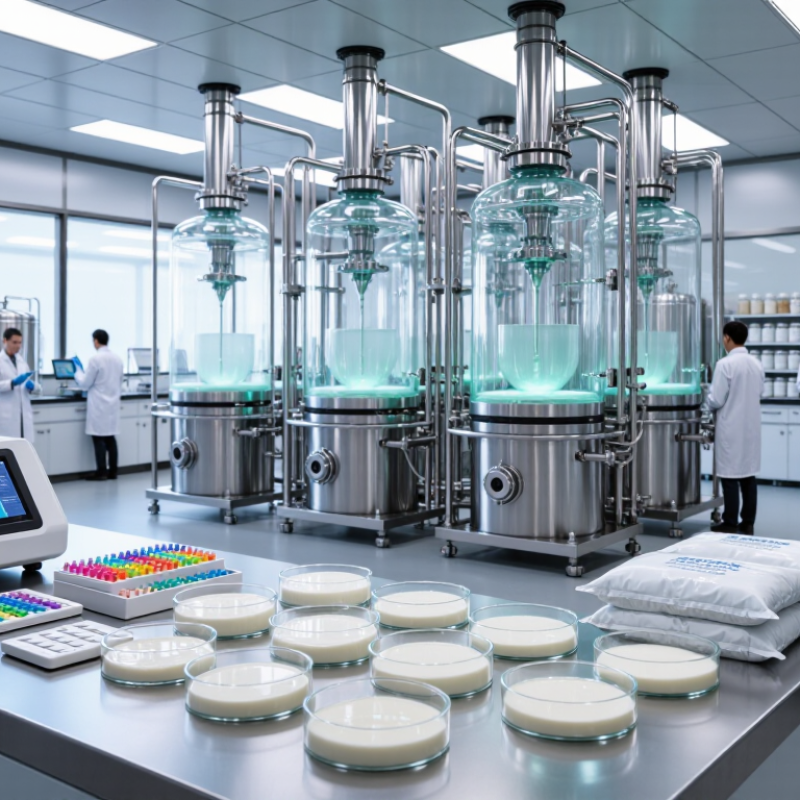
China’s lactase powder industry supports a growing global demand for lactose-free dairy nutrition. Grand View Research estimates the global lactase market will expand steadily through 2030, with digestive health and lactose intolerance driving adoption. Market estimates vary, however. Different reports use different product definitions and revenue boundaries. That difference deserves attention.
China’s domestic dairy sector gives local manufacturers a strong production base. The USDA Foreign Agricultural Service estimated China’s milk output at about 40 million metric tons in 2024. This large supply supports enzyme application in milk, yogurt, whey, infant nutrition, and dietary supplements. China also benefits from mature fermentation technology, broad processing capacity, and export-oriented logistics. Professional buyers should still verify enzyme activity, carrier materials, microbial controls, and batch consistency. A lower price can hide higher testing costs.
Tips: Request recent certificates of analysis, stability data, and sample results under your own processing conditions. Check declared activity in ALU or FCC units, not only net weight. Ask whether the supplier can provide traceability from fermentation to final packing. In my experience, documentation often reveals more than a factory visit. Some purchasing teams overlook this. This is a mistake. Reported market growth also should not be treated as guaranteed demand; regional regulations, dairy consumption, and labeling rules can change quickly.
Selecting China’s top 10 lactase powder manufacturers requires more than factory size. MarketsandMarkets reports that the global digestive enzyme market is projected to grow from about USD 1.7 billion in 2023 to USD 2.4 billion by 2028. This growth increases supplier pressure. Buyers need verifiable evidence, not polished brochures.
Our selection method gives priority to enzyme activity, batch consistency, and documented quality systems. Each manufacturer should provide recent certificates of analysis, showing lactase activity in defined FCC or equivalent units. Testing should cover microbial limits, heavy metals, moisture, and residual solvents. ISO 22000, FSSC 22000, or GMP-based controls strengthen credibility. Production records should also support traceability from raw material intake to sealed cartons. Small details matter. A clear lot number matters.
Export experience is another screening point. We examine packaging strength, temperature guidance, shelf-life data, and responses to technical questions. The FAO and WHO emphasize risk-based food safety systems, so compliance cannot stop at a certificate. Stability studies should reflect the buyer’s real storage conditions. A supplier serving humid warehouses needs more than a laboratory promise.
Cost receives a limited score. An unusually low quotation may reflect weaker testing or inconsistent activity. However, price alone cannot prove quality. Some manufacturers communicate poorly despite solid production controls. That weakness deserves scrutiny, not automatic rejection. No ranking is perfectly objective; independent verification and fresh samples remain necessary before commercial approval.
These profiles examine ten Chinese lactase powder manufacturers through practical buyer criteria. Their operations vary from fermentation specialists to contract formulators and export-focused producers. Some maintain large stainless-steel fermentation tanks, while others operate smaller, flexible production lines. Their products may differ in enzyme activity, carrier materials, particle size, and recommended application temperature.
A reliable manufacturer should provide a recent certificate of analysis, batch traceability, microbial results, and clear storage guidance. Technical teams should explain activity units instead of relying on vague “high potency” claims. Several manufacturers serve dairy processors, nutrition companies, and ingredient distributors. Their experience may include lactose-free milk, whey beverages, cultured products, or tablet applications. Production quality also depends on drying control, moisture management, packaging barriers, and warehouse conditions. These details matter when powder travels through humid ports.
The profiles also reveal differences in documentation and communication. Some suppliers respond quickly with complete specifications, while others need repeated requests for basic stability data. That weakness deserves attention. A clean factory photograph is not proof of consistent batches. Buyers should review audit records, sample performance, allergen statements, and change-control procedures before placing commercial orders. Trial batches can expose unexpected issues, including sediment, flavor changes, or declining activity during storage. Even experienced manufacturers may improve their data presentation and technical transparency. Product suitability should be judged against the buyer’s process, dosage target, local regulations, and intended shelf life.
China Top 10 Lactase Powder Manufacturers for Global Buyers
China’s lactase powder suppliers usually offer food-grade beta-galactosidase for dairy applications. Product types vary by activity, pH range, dosage, and formulation. Common formats include standard powder, high-activity powder, and preparations designed for milk, yogurt, cheese, or nutritional products.
The right enzyme should match the process temperature and acidity. Neutral lactase suits many milk systems, while acidic grades may perform better in fermented products. Buyers should request activity data in clearly stated units, not vague strength claims. A reliable technical sheet includes moisture, microbial limits, heavy metals, allergen information, and storage conditions. Check the test method too. Results can look different when methods change.
Strong manufacturers normally operate controlled fermentation, filtration, concentration, and drying lines. Some provide laboratory samples, pilot batches, custom activity levels, and private packaging. Production records should support batch traceability from raw materials to final cartons. Certifications such as HACCP, GMP, ISO 22000, and valid export documentation can strengthen supplier evaluation. However, certificates alone are not proof of consistent performance. Ask for recent certificates of analysis and independent testing when the application is sensitive. Factory audits remain useful, although they require time and technical judgment. A glossy brochure may hide weak process control. Trial batches can reveal that.
Global buyers comparing China’s top lactase powder manufacturers should examine more than price and production capacity. Request the enzyme activity unit, assay method, moisture level, particle size, carrier ingredients, and shelf life. Ask for recent certificates of analysis from several production batches. Small differences can affect dosage and processing results.
Request a sample before signing a purchase agreement. Test it in your own formula, not only in water. Evaluate solubility, odor, stability, and performance after storage. A factory audit can verify hygiene controls, traceability, laboratory equipment, and packaging practices. Check whether the supplier can maintain the same specification during peak seasons. Written answers matter. Vague promises do not.
Import management needs equal attention. Confirm the correct product classification, commercial invoice details, packing list, certificate requirements, and destination-country rules with a qualified customs professional. Agree on Incoterms, minimum order quantity, production lead time, inspection procedures, and responsibility for damaged cartons. Moisture-barrier bags and temperature-controlled storage may protect quality during long transit. Not every buyer needs cold shipping, but careless warehouse conditions can still reduce stability. A spreadsheet helps, although it can create false confidence. Keep a risk reserve for delays, retesting, and document corrections. Supplier selection is rarely perfect; practical monitoring after the first shipment often reveals more than a polished sales presentation.
China has large dairy production, mature fermentation technology, and broad processing capacity. These strengths support domestic use and exports.
Applications include milk, yogurt, whey, infant nutrition, and dietary supplements. The suitable dosage depends on the formula and process.
Reports may define products and revenue boundaries differently. Growth projections are useful, but they are not guaranteed demand.
Ask for enzyme activity, assay method, moisture, particle size, carrier ingredients, and shelf life. Net weight alone is insufficient.
Test the sample in your own formula, not only in water. Check solubility, odor, stability, and performance after storage.
Request recent certificates of analysis, stability data, sample results, and batch traceability. Compare several production batches when possible.
Review hygiene controls, laboratory equipment, traceability, and packaging practices. Confirm whether specifications remain stable during busy seasons.
Confirm classification, invoices, packing lists, certificates, Incoterms, lead times, and inspection duties. Keep reserves for delays and document corrections.
Not always. Moisture-barrier packaging and suitable storage may protect quality, but careless warehouses can reduce stability.
Not necessarily. A low price may hide higher testing costs or inconsistent batches. Practical monitoring reveals more than polished sales promises.
China has become an important global source of Lactase Powder, supported by expanding fermentation technology, mature ingredient manufacturing, and strong production capacity. This article explains the industry’s role in international supply, including common product forms, enzyme activity ranges, quality control practices, and the production capabilities expected by food, beverage, dairy, and dietary supplement manufacturers. It also introduces a practical framework for evaluating leading Chinese suppliers without focusing on individual brand names.
For global buyers, supplier selection should consider raw material control, process stability, testing documentation, certifications, batch consistency, packaging options, minimum order quantities, and export experience. The article also outlines how to compare quotations, verify technical specifications, assess sample performance, manage communication and lead times, and reduce risks during import procedures. By using a structured purchasing approach, buyers can identify reliable Lactase Powder partners, improve supply-chain efficiency, and select products that align with their application requirements and destination-market standards.

ShineHerb