Choosing a reliable Folic Acid manufacturer in China requires more than comparing prices or catalog photos. Global buyers need consistent quality, transparent documentation, and dependable export support. This guide introduces ten manufacturers that may serve pharmaceutical, nutraceutical, food, and feed applications.
The evaluation considers production capability, quality systems, testing procedures, certifications, and international experience. Documents such as certificates of analysis, batch records, allergen statements, and stability data can reveal how a supplier manages each lot. Buyers should also examine factory ownership, laboratory equipment, packaging controls, and traceability from raw materials to shipment.
Details matter.
A strong supplier should explain assay limits, particle size, storage conditions, and shelf-life expectations clearly. It should also respond professionally when specifications change. Some manufacturers may offer better pricing, while others provide stronger technical support or smaller minimum order quantities. No supplier is perfect, and published information may become outdated. The ranking is therefore a practical starting point, not a permanent verdict. Independent audits, sample testing, and regulatory reviews remain essential before signing a long-term agreement. Differences between pharmaceutical-grade and food-grade Folic Acid must also be confirmed carefully. With documented evidence and direct communication, buyers can reduce sourcing risks and build a more reliable supply chain from China.
Folic Acid Manufacturing in China: Industry Scope and Market Overview
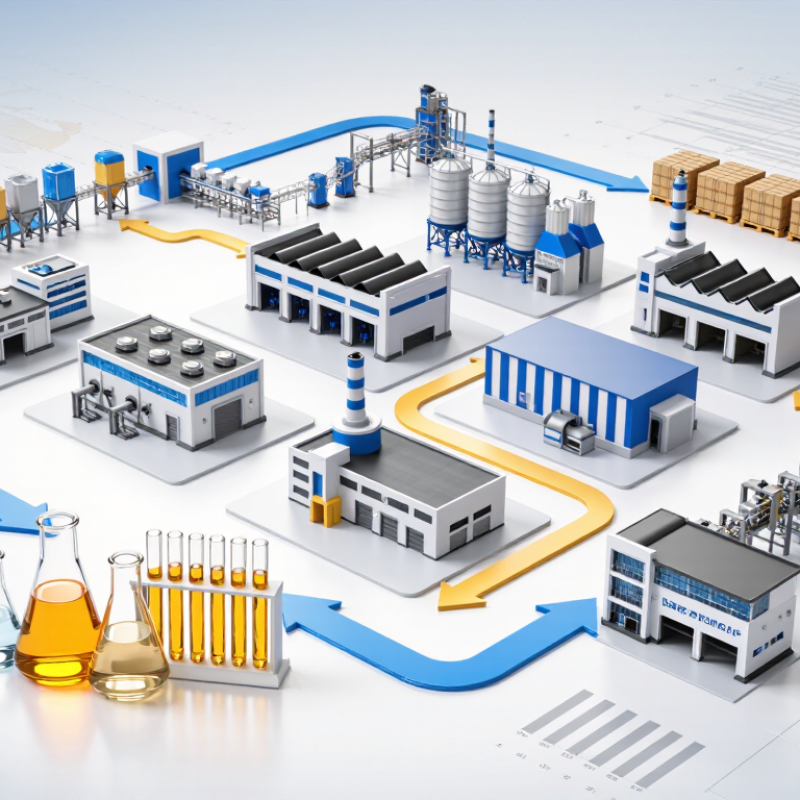
China’s folic acid manufacturing sector serves pharmaceutical, food-fortification, feed, and nutrition markets. Its strength comes from integrated chemical processing, export logistics, and sizable quality-control teams. Grand View Research valued the global folic acid market at about US$1.03 billion in 2023. It forecasts roughly 4.6% annual growth through 2030. IMARC Group reported a comparable market value near US$1.1 billion in 2024. Different scopes create different totals. Estimates differ. This gap matters when buyers compare supplier claims with audited shipment data.
Manufacturers commonly manage synthesis, purification, drying, milling, and packaging in controlled areas. Serious audits examine batch records, traceability, change control, and laboratory competence. HPLC assay results should match the agreed specification. Buyers should request impurity profiles, residual-solvent data, microbiological results, and stability evidence. China’s GB 14880 standard provides a reference for nutrient fortification in foods. Export products may also require destination-specific pharmacopeial or food regulations. Compliance is not transferable. A certificate alone is insufficient.
Demand is supported by prenatal nutrition, staple-food fortification, and clinical nutrition programs. WHO and FAO guidance continues to influence folate policy, although national rules vary. Price remains important, but yield consistency and lead-time control often protect landed cost. Smaller manufacturers may offer flexibility; their documentation can be less mature. That is a practical risk, not an accusation. Global buyers should sample multiple lots before approving long-term supply. China’s sector is capable, but transparency still needs improvement.
How the Top 10 Chinese Folic Acid Manufacturers Are Selected
Selecting China’s top folic acid manufacturers requires more than checking production volume or online visibility. Global buyers should examine documented experience with folic acid, not general supplement manufacturing. The review begins with facility licenses, quality certificates, and current GMP systems. Auditors should verify whether these records match actual production practices.
Technical capability matters at every stage. A qualified supplier should provide clear specifications, batch records, certificates of analysis, and testing methods. Key checks include assay, moisture, particle size, microbial limits, and heavy metal results. Independent laboratory testing can compare the supplier’s report with a retained sample. Small differences may reveal sampling or process weaknesses. Traceability should reach raw material lots, operators, equipment, and packaging dates.
Communication is also evidence. Reliable manufacturers answer technical questions directly and explain deviations without hiding behind prepared language. Buyers can review sample consistency, lead-time records, export documentation, and responses to corrective actions. Production capacity should be tested against realistic orders, not impressive figures alone. Factory visits are useful, but one visit cannot prove long-term consistency. That is an uncomfortable limitation. A careful ranking therefore combines audits, laboratory data, customer references, and repeated order performance. Cost remains relevant, yet an unusually low quotation deserves closer review. Selection should remain evidence-based, transparent, and open to revision when new quality data appears.
China Top 10 Folic Acid Manufacturers for Global Buyers
How the Top 10 Chinese Folic Acid Manufacturers Are Selected
Selection framework: Manufacturers are assessed using buyer-relevant factors, including quality and regulatory compliance, production capability, export readiness, product consistency, technical support, and supply reliability. The percentages represent editorial evaluation weights rather than company-specific scores or rankings.
Profiles of China’s Leading Folic Acid Manufacturers
China Top 10 Folic Acid Manufacturers for Global Buyers
Profiles of China’s Leading Folic Acid Manufacturers
China’s leading folic acid manufacturers differ in scale, process control, and export experience. A useful profile should examine more than production capacity. It should review raw material control, synthesis consistency, testing depth, and shipment reliability. Folic acid is commonly supplied as a fine yellow powder. Particle size, assay value, and moisture can affect blending performance.
The strongest manufacturers usually operate documented quality systems and maintain batch-level traceability. Their laboratories may test identity, assay, related substances, residual solvents, and microbiological limits. Buyers should request recent certificates of analysis, specifications, stability data, and packaging details. Clear answers matter. Vague documents deserve further checking.
Some factories focus on large-volume industrial supply. Others provide smaller trial batches or customized packaging. Several support private-label documentation without controlling the buyer’s final product claims. That distinction is important. A polished website is not proof of manufacturing capability. An audit, video inspection, or independent laboratory test can reveal more.
Reliable profiles should also compare lead times, minimum order quantities, storage conditions, and export records. Standard packaging may include sealed inner bags and protective outer cartons. Humidity control is still worth discussing, especially during long transport. My review process would not rank a supplier from price alone. Low cost can hide inconsistent testing or weak communication. That lesson is easy to overlook. A careful buyer should compare at least three batches before approving regular procurement.
Product Grades, Quality Standards, and Certifications
China Top 10 Folic Acid Manufacturers for Global Buyers
For global buyers, manufacturer ranking should begin with product evidence, not factory size. A reliable supplier can provide a current specification, batch COA, and traceable production records. Ask whether the folic acid is food grade, pharmaceutical grade, or feed grade. Each grade serves different applications. Pharmaceutical material may follow USP-NF, EP, BP, or equivalent requirements. Food-grade material may follow FCC or relevant national standards. The label alone proves little.
Quality control should cover assay, identification, water content, particle size, heavy metals, residual solvents, and microbiological limits. Testing methods must appear on the COA. Look for independent laboratory results when the application is sensitive. A clean white powder is not enough. It says very little.
Certifications can strengthen supplier evaluation. Common documents include GMP, ISO 9001, HACCP, and food-safety system certification. Check the certificate scope, issuing body, site address, and expiration date. Some certificates cover management systems, not folic acid production. That distinction matters. Request sample retention policies, stability data, packaging specifications, and change-notification procedures. Confirm whether the audited site matches the exporting site. No checklist is perfect. One weak point may remain hidden between production batches. A careful buyer should compare three recent COAs, inspect unusual result changes, and clarify any unexplained difference before approving a manufacturer.
Export Capabilities and Buyer Evaluation Factors
China’s top ten folic acid manufacturers should be judged by export evidence, not factory size alone. Buyers should verify GMP status, batch traceability, validated testing, and English-language documentation. A reliable supplier can provide a certificate of analysis, specification sheet, safety data, and stability results for each production lot.
UN Comtrade classifies folic acid within vitamin-related HS code 293629, allowing buyers to compare declared trade flows across markets. However, customs data can include different vitamin products, so it should not stand alone. The World Health Organization recommends 400 micrograms of folic acid daily for women planning pregnancy, highlighting the need for accurate potency and contamination controls. Export readiness also means consistent packaging, moisture protection, pallet marking, and temperature-risk assessment. In practice, shipping delays may reveal weaknesses that audits miss.
Tips: Request three recent batch records, not one sample. Check the manufacturer’s inspection history, production capacity, port access, and recall procedure. Confirm whether the seller or a trading intermediary signs the quality agreement. Independent laboratory testing is wise, even when documents look complete. I would also compare lead times against actual shipment records; quoted capacity is sometimes optimistic. WHO and national regulators provide useful safety benchmarks, while UN Comtrade and WTO trade statistics help test export claims. Prices matter, but unexplained discounts deserve careful questions.
FAQS
It supplies pharmaceutical, food-fortification, feed, and nutrition markets. Demand includes prenatal products and fortified staple foods. Needs differ by application.
Ask whether the material is pharmaceutical, food, or feed grade. Each grade has different specifications and permitted uses. Labels alone prove little.
Review assay, identity, water content, particle size, heavy metals, solvents, and microbiological results. Request the testing methods on every batch COA. A white powder is not enough.
Request a current specification, batch COA, safety data, stability evidence, and traceable production records. Confirm the documents match the exporting site. Details can drift.
Inspect batch records, purification controls, drying procedures, packaging, and change-control systems. Compare three recent COAs. Investigate unusual result changes before approval.
Certifications can support evaluation, but they do not prove every batch meets requirements. Check the certificate scope, site address, issuer, and expiration date. One gap may remain hidden.
Compare shipment records, lead times, port access, production capacity, and packaging protection. Check moisture barriers and pallet markings. Quoted capacity may be optimistic.
Customs data can reveal trade patterns and declared volumes. However, vitamin-related codes may include several products. Use trade statistics with shipment and laboratory evidence.
Not always. Stable yield and reliable delivery may reduce the total landed cost. Unexplained discounts deserve careful questions. Price can hide risk.
Yes, especially before long-term approval. Test multiple lots through an independent laboratory when practical. Documents can look complete and still miss inconsistencies.
Conclusion
China’s Folic Acid manufacturing industry has developed into an important part of the global nutritional ingredients and pharmaceutical raw-material supply chain. This overview explains the industry’s scope, production capabilities, market trends, and the factors used to select leading Chinese manufacturers. It focuses on practical considerations such as manufacturing capacity, technical expertise, product consistency, quality management, and experience serving international buyers.
The article also examines common product grades, testing procedures, certifications, documentation, packaging, and export capabilities. For global buyers, evaluating a supplier requires more than comparing prices; it involves reviewing regulatory compliance, batch traceability, quality certificates, production reliability, communication efficiency, and logistics support. By understanding these areas, buyers can make more informed decisions when sourcing Folic Acid from China and establish stable, transparent, and long-term supply partnerships.

 ShineHerb