Choosing the right Epimedium Extract supplier requires more than comparing prices or reading polished product pages. The decision affects raw material consistency, testing reliability, documentation, and long-term product safety. A serious supplier should identify the Epimedium species, plant part, extraction method, marker compounds, solvent system, and batch number. Vague descriptions deserve careful questions.
Dr. Steven Dentali, a recognized herbal quality specialist and former American Herbal Products Association science leader, has emphasized, “Quality begins with the raw material.” This principle applies directly to Epimedium Extract sourcing. Ask for recent certificates of analysis, chromatographic test results, microbial limits, heavy-metal reports, pesticide screening, and stability information. Check whether an independent laboratory performed the testing. Look for traceable records from cultivation through packaging. A clean warehouse, sealed drums, and consistent powder color can support confidence, but appearance cannot prove identity or potency. Testing matters more.
Experience also reveals uncomfortable details. Some suppliers provide impressive documents but answer basic questions slowly. Others offer attractive prices while changing specifications between batches. That is a warning sign. Reliable partners explain deviations, retain samples, and communicate clearly when harvest conditions affect results. They should also follow applicable quality standards and provide responsible labeling guidance. No supplier is perfect. Even strong audits can miss problems. Therefore, review evidence repeatedly, not once. Choose the supplier that demonstrates transparent processes, technical competence, and dependable communication. Consistency is the real test.
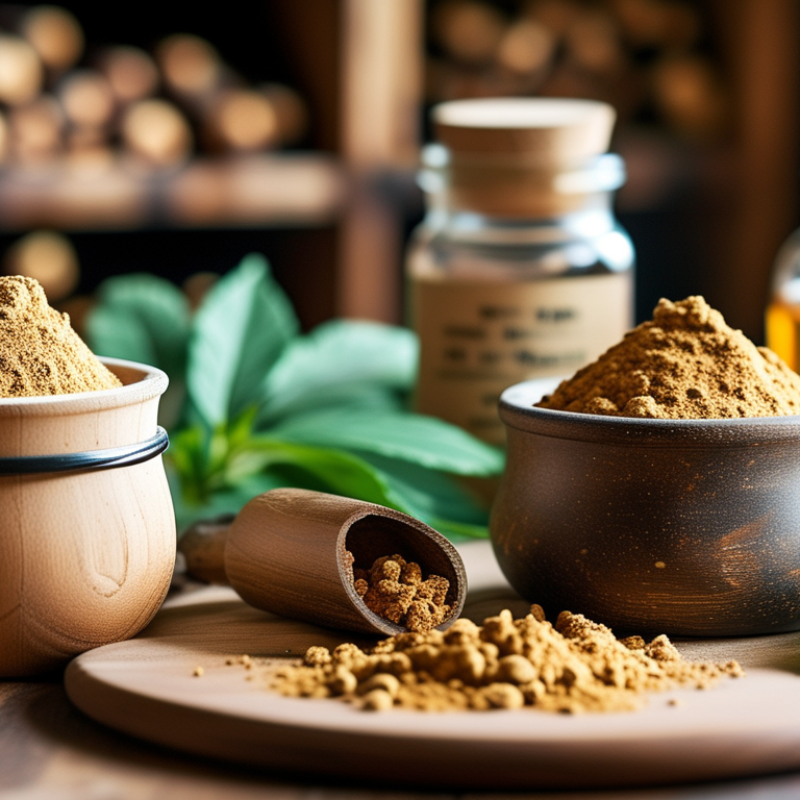
Epimedium extract comes from the leaves and stems of Epimedium species, often called horny goat weed. In supplement development, it appears in capsules, tablets, liquid formulas, and blended botanical products. Its best-known marker is icariin, although the total flavonoid profile also matters. Traditional use has focused on vitality, bone support, and sexual wellness. Modern evidence remains uneven, so responsible suppliers avoid promising treatment or guaranteed results. That distinction matters.
When choosing a supplier, ask how the plant was identified and harvested. A Latin species name, plant part, country of origin, and lot number should appear on the documents. Request a recent certificate of analysis covering icariin, microbial counts, heavy metals, pesticides, and residual solvents. Independent laboratory testing adds credibility. Look for GMP-style manufacturing, controlled storage, and traceability from raw herb to finished powder. A clear sample policy helps, too. Test the extract for color, odor, solubility, and consistency before larger orders.
My practical caution is simple: a high icariin percentage is not automatically a better extract. Extraction strength can change the wider chemical profile and the intended use. Ask for stability data, validated methods, and realistic shelf-life details. Suppliers should explain batch differences without vague language. I have seen neat paperwork hide unanswered questions. That is a warning sign. Choose communication over impressive claims, and review local supplement requirements before purchasing or formulating.
| Evaluation Dimension | What to Understand | Recommended Supplier Evidence | Why It Matters |
|---|---|---|---|
| Botanical Identity | Epimedium extract is commonly produced from aerial parts of Epimedium species, a botanical group traditionally known as horny goat weed. | Latin botanical name, plant part, country or region of origin, and an authenticated raw-material specification. | Correct identification helps prevent substitution, adulteration, and inconsistent active-compound levels. |
| Marker Compounds | Icariin is a widely used quality marker in Epimedium products. Other flavonoids may also contribute to the extract profile. | A batch-specific certificate of analysis showing the assay method, marker-compound result, and acceptance range. | Standardization improves batch-to-batch comparability for supplement and research applications. |
| Extraction Method | Water and hydroalcoholic extraction are commonly used for botanical materials; the process can affect yield, color, solubility, and phytochemical composition. | Process description, solvent information, extraction ratio, concentration method, and residual-solvent statement where applicable. | A transparent process supports reproducibility and helps match the extract to the intended formulation. |
| Physical Specifications | Powdered extracts are typically evaluated for appearance, color, odor, moisture, particle size, bulk density, and dispersibility. | Finished-product specification sheet and representative sample that match the proposed commercial grade. | Physical consistency affects blending, capsule filling, tablet production, and beverage or powder formulations. |
| Purity and Contaminant Control | Botanical extracts should be assessed for microbial contamination, heavy metals, pesticides, mycotoxins, and undeclared pharmaceutical substances. | Independent laboratory results or validated in-house test reports with applicable limits and test dates. | Safety testing is essential because botanical products may be exposed to environmental contaminants or adulteration risks. |
| Quality Management | Reliable production should use documented procedures for raw-material approval, processing, testing, deviation handling, and traceability. | Current quality certifications, audit information, batch records, change-control procedures, and recall or complaint procedures. | A mature quality system reduces supply interruptions and unexpected changes in product performance. |
| Common Supplement Uses | Epimedium extract is used in some dietary supplements positioned for general vitality, sexual wellness, bone health, or traditional herbal support. | Regulatory documentation, intended-use guidance, and labeling support that comply with the destination market. | Permitted claims and labeling requirements differ by jurisdiction; suppliers should not rely on unsupported disease claims. |
| Research and Formulation Use | Standardized extracts may be used in laboratory studies, formulation development, and analytical method work involving flavonoid-rich botanicals. | Technical data sheet, reference standard information, sample availability, and stability or storage data. | Complete technical information helps researchers compare materials and reproduce experimental conditions. |
| Safety and Regulatory Review | Epimedium products may interact with medicines or be unsuitable for certain people; evidence for specific health effects varies by preparation and use. | Available safety data, allergen statement, warning information, regulatory status, and guidance for responsible labeling. | A responsible supplier supports risk assessment and avoids overstating benefits or making unauthorized medical claims. |
| Supply and Commercial Terms | Important factors include minimum order quantity, lead time, packaging, storage conditions, shelf life, sample policy, and long-term capacity. | Written quotation, forecast-based supply plan, packaging specification, shipping documents, and defined complaint-resolution process. | Clear commercial terms help maintain continuity, control total cost, and prevent avoidable delivery or storage problems. |
Note: Product specifications should be confirmed against current regulations and the supplier’s batch-specific documentation before purchase or commercial use.
: It comes from the leaves and stems of Epimedium species. Its common marker is icariin. The wider flavonoid profile also matters.
Request the Latin species name, plant part, origin, harvest details, and lot number. These details support traceability. Do not accept vague plant descriptions.
Check icariin, microbial counts, heavy metals, pesticides, and residual solvents. Identity testing should also be included. One test is not enough.
No. Extraction strength can change the wider chemical profile. A higher number may not suit your formulation. Not always better.
Define the plant part, extraction ratio, marker range, mesh size, moisture limit, and product format. Include the accepted testing method. Avoid “high potency” wording alone.
Ask about cleaning, drying, extraction, concentration, and standardization. Review solvent controls and cross-contamination procedures. A sealed drum is not enough.
Stability data shows how the extract responds to heat and humidity. Request results matching your packaging and distribution conditions. Missing humidity records concern me.
No. Speak with the technical team and request batch records, sample reports, and retention-sample procedures. Ask how failed tests and corrective actions are handled. I once trusted paperwork too much. That shortcut was a mistake.
Test a sample for color, odor, solubility, and consistency. Compare the sample with its documents. Pilot testing can reveal practical problems.
Responsible suppliers should avoid treatment claims and guaranteed outcomes. Modern evidence remains uneven. Review local supplement requirements before purchasing or formulating.
Choosing the best Epimedium Extract supplier requires a clear understanding of the ingredient, its common applications, and the quality standards needed for your product. Start by defining your requirements, including extract form, active compound content, intended use, dosage format, packaging, and documentation. These details will help you identify suppliers that can provide consistent and suitable materials.
Next, evaluate each supplier’s manufacturing capabilities, quality management systems, testing procedures, and regulatory documentation. Compare extract specifications, pricing, minimum order quantities, production capacity, lead times, and storage conditions rather than focusing only on cost. Request samples and verify their identity, purity, safety, and batch consistency through appropriate testing. A dependable supplier should communicate clearly, support traceability, provide reliable documentation, and demonstrate the ability to maintain stable quality over time. Careful verification before placing large orders can reduce supply risks and support a successful long-term partnership.

 ShineHerb