Global buyers evaluating Top Matcha Powder Suppliers for 2026 need more than an attractive green sample. They need a supplier whose quality, documentation, and delivery remain dependable across repeat orders. Matcha Powder can vary with cultivar, harvest timing, shading, steaming, and stone-milling practices. A fresh sample may look vivid and smell gently sweet, yet those traits alone cannot confirm consistency. Ask for harvest and processing details, traceability records, and relevant test results. Then compare them against the intended use, whether a whisked tea, latte, or baked product.
Tea scholar Kakuzo Okakura wrote, “Tea began as a medicine and grew into a beverage.” His words point to tea’s long cultural history, but modern buying also requires practical scrutiny. Terms such as “ceremonial grade” may not mean the same thing to every supplier. Request clear product specifications instead: color range, flavor profile, particle size, packaging, minimum order quantity, and lead time. Check how the supplier protects powder from heat, light, and moisture during storage and shipping. Small details matter.
This guide compares suppliers through those buyer-focused questions, while recognizing that no single source suits every market or application. A polished catalogue is not proof of reliable supply. Nor is one successful shipment. Buyers should verify claims, request representative samples, and assess how clearly a supplier handles questions or problems. Even a careful checklist can miss something; sourcing still involves judgment. The aim is not to promise a perfect match, but to help buyers make a better-informed one.
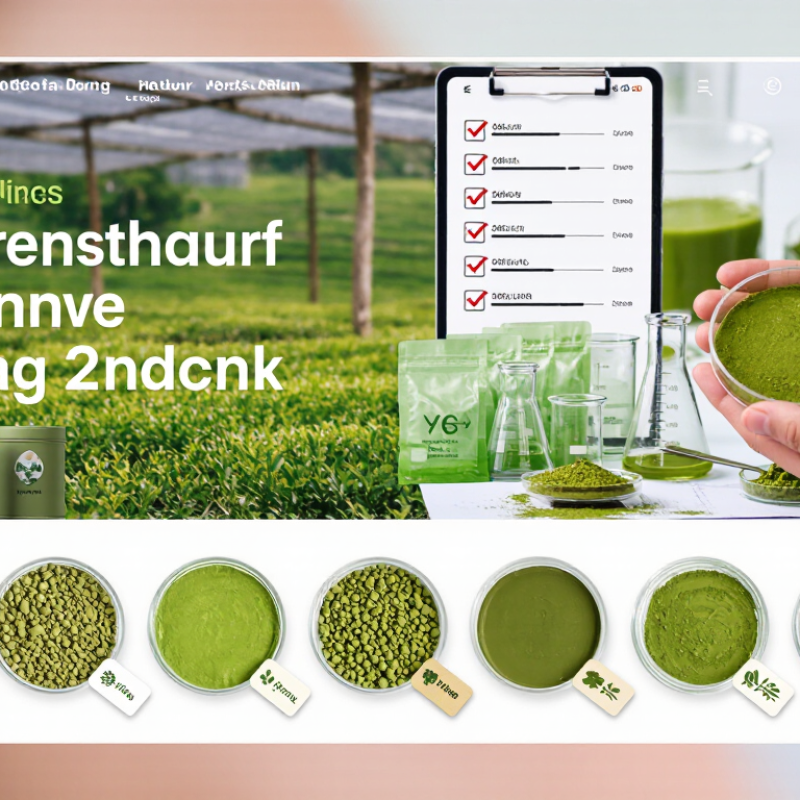
Matcha is powdered tea, but “matcha” on a specification sheet does not tell a buyer enough. Traditional matcha is made from tencha: shade-grown leaves are steamed, dried without rolling, then milled into fine powder. Suppliers may describe products as ceremonial, premium, or culinary. These are useful buying labels, not universally regulated grades. Definitions differ by supplier and market. Check leaf origin, harvest season, shading period, milling method, particle fineness, and batch documentation.
Grade should suit the cup. Higher-quality drinking matcha is often vivid green, finely milled, and balanced with gentle sweetness. Lower-cost cooking powder may taste more robust in milk, baking, or sauces. Color alone can mislead. Request a sample and test it in the intended recipe, not only in a dry spoon. Japan’s Ministry of Agriculture, Forestry and Fisheries recorded 7,579 tonnes of green-tea exports in 2023. This figure covers green tea, not matcha alone, so treat it as trade context rather than matcha-market data. Ask suppliers for lot traceability and independently verified food-safety and residue reports. A nice label is not evidence. Powder can lose aroma quickly after opening, making packaging and storage important. Even experienced buyers can overvalue bright color; the cup may disagree.
Matcha caffeine varies with the powder and serving size. The chart shows estimated caffeine ranges for three amounts of matcha powder, using a broad reported range of approximately 20–45 mg of caffeine per gram.
“Ceremonial” and “culinary” are commonly used trade labels, not globally standardized grades. Caffeine content is not a reliable way to distinguish them; buyers should also evaluate origin, harvest, processing, intended use, and available quality testing. Actual caffeine levels vary.
For global buyers, supplier evaluation should start with product evidence, not a low quoted price. Request harvest and milling details, batch-level traceability, and a recent certificate of analysis. Check whether the sample’s color is vivid green, its aroma fresh and grassy, and its texture fine rather than sandy. Taste it blind. A good matcha should balance vegetal notes with gentle sweetness. Harsh bitterness may reflect differences in handling or grade, though taste alone is not a lab test.
Ask how the supplier protects matcha from moisture, light, and oxygen after milling. Sealed, opaque packaging and clear storage instructions matter during long transit. Request samples from multiple production lots, then compare color, aroma, and whisking behavior. Paperwork matters. Confirm that test methods and stated limits suit your destination market and intended use. Ask whether updated documents can accompany each shipment, rather than relying on one generic report.
Capacity is another practical test. Confirm monthly volume, lead times, minimum order quantities, and how delays are handled when a harvest is late. Ask for written procedures covering complaints, rejected lots, and corrective action. A video call or facility audit can clarify hygiene and packing practices, but neither replaces independent testing. Some details remain uncertain until repeat orders arrive. Build that uncertainty into your trial plan.
Matcha suppliers often specialize around Japan’s established tea-growing regions. Uji, in Kyoto, is associated with carefully shaded tea and a long matcha tradition. Nishio, in Aichi, is another major production area, with growers and processors experienced in supplying powdered green tea. Shizuoka and Kagoshima also contribute, though local climate, cultivars, and processing choices vary. Origin matters. A region label alone cannot confirm freshness or grade.
For buyers comparing suppliers, ask where the leaves were grown, milled, and packed. These steps may happen in different places. Request harvest dates, product specifications, and recent batch documentation, then compare color, aroma, and particle consistency. A vivid green powder can be a useful visual clue, but it is not proof of quality. Regional reputation can be overused; choosing a famous origin without checking the batch is an easy mistake.
For global buyers comparing matcha powder suppliers in 2026, quality starts with more than a bright green sample. Ask for the harvest region, picking period, milling method, and a recent certificate of analysis. A fine, even texture matters; so does a clean aroma without stale or grassy harshness. Request test results for pesticide residues, heavy metals, and microbiological limits. Certifications can support confidence, but check their scope, issuing body, and validity dates. A certificate is not the powder itself.
Export capacity shows up in practical details. Can the supplier keep batches consistent across repeat orders? Ask how lots are identified, how samples are retained, and what happens when results fall outside agreed specifications. Check available formats, moisture-resistant packaging, monthly volume, and realistic lead times. Small trial shipments can reveal clumping or color changes after transit. That matters. Export records and clear shipping documents also help buyers assess reliability, though paperwork alone proves little. A supplier may look excellent on paper and still struggle with a seasonal volume increase. Leave room for doubt, and compare documented performance with the product in your cup.
Global buyers should choose matcha powder suppliers by fit, not headline price. A café serving lattes may need a dependable culinary grade, steady color, and predictable flavor. A tea retailer may prioritize finer texture, clear origin details, and carefully managed packaging. Ask suppliers to describe harvest periods, milling methods, storage conditions, and specifications for each grade. Specific answers matter.
Order requirements should guide the conversation. Confirm the minimum order quantity, sample options, lead time, and packaging sizes before requesting a quote. For example, a small trial order in sealed, light-resistant pouches can reveal how the powder performs after opening. Request recent test documentation relevant to your quality standards, and check that batch details match the shipment. Clarify how suppliers handle seasonal variation or a delayed delivery. Get it in writing.
A sample is useful, but it cannot prove every future batch will taste identical. That is an awkward limitation worth planning for. Compare samples using the same water temperature, dose, and preparation method; record color, aroma, bitterness, and clumping. Then ask how repeat orders are checked against the agreed specification. If an answer stays vague, pause before committing to a large volume. A slightly slower evaluation can prevent expensive mismatches.
Ask for harvest and milling details, batch traceability, and a recent certificate of analysis. A bright sample alone proves little.
Check for vivid green color, a fresh grassy aroma, and fine texture. Taste it blind. Harsh bitterness may signal handling differences, but taste is not a lab test.
Request results for pesticide residues, heavy metals, and microbiological limits. Confirm the methods and limits suit your destination market and intended use.
Review each certificate’s scope, issuing body, and validity dates. A certificate is not the powder itself.
Ask how the supplier protects powder from moisture, light, and oxygen. Sealed, opaque packs and clear storage instructions matter during long transit.
Request samples from several lots and compare color, aroma, and whisking behavior. Keep in mind that a few samples may not predict every repeat order.
Confirm monthly volume, minimum order quantities, lead times, and delay procedures. Small trial shipments can expose clumping or color changes after transit.
Ask for written complaint, rejection, and corrective-action procedures. Also ask how lots are identified and samples retained. Some uncertainty remains until repeat orders arrive.
This guide helps global buyers understand how matcha varieties and grades differ, from vibrant, delicate powders suited to traditional preparation to more robust options for drinks and food production. It explains how intended use, flavor profile, color, texture, and consistency can shape sourcing decisions, helping buyers compare products according to their quality expectations and applications.
The guide also outlines practical ways to evaluate Matcha Powder suppliers, including production region, quality controls, relevant certifications, export experience, and ability to meet order requirements. By comparing these factors alongside price, lead times, packaging, and available quantities, buyers can identify suppliers that fit their needs. Whether sourcing small or large volumes, a clear specification and direct communication can support more reliable purchasing decisions.

ShineHerb