Why Choose Pancreatin Powder for Global Sourcing?

Time:2026-10-12 Author:Charlotte
0%

Why Choose Pancreatin Powder for Global Sourcing? The answer begins with consistency, documentation, and practical supply needs. Pancreatin Powder contains digestive enzymes, commonly including amylase, lipase, and protease. Its functional value depends on enzyme activity, purity, stability, and proper processing. Buyers should evaluate more than price.

Experienced sourcing teams review batch-specific Certificates of Analysis, microbiological results, allergen statements, and manufacturing details. They also confirm whether activity is measured using recognized methods. A clear specification reduces misunderstandings between suppliers, laboratories, and production facilities. It also supports more reliable quality decisions.

Storage matters. A sealed container, controlled humidity, and suitable transport conditions can help protect enzyme performance. Packaging should resist moisture during long-distance shipping. Supplier audits may examine traceability, sanitation records, change-control procedures, and complaint handling. These details can reveal how a company manages problems, not only how it presents products.

Global sourcing can offer broader capacity, competitive costs, and access to specialized manufacturers. Yet it is not automatically safer or better. A low quotation may exclude testing, protective packaging, or realistic delivery planning. No supplier is perfect. Even strong documentation requires independent review and periodic verification.

Buyers should compare technical data, regulatory expectations, lead times, and communication quality before approving Pancreatin Powder. Requirements vary across countries and applications, so local compliance advice remains important. A dependable partnership grows through samples, transparent questions, and consistent batch performance. That process takes time, but it can prevent expensive surprises later.
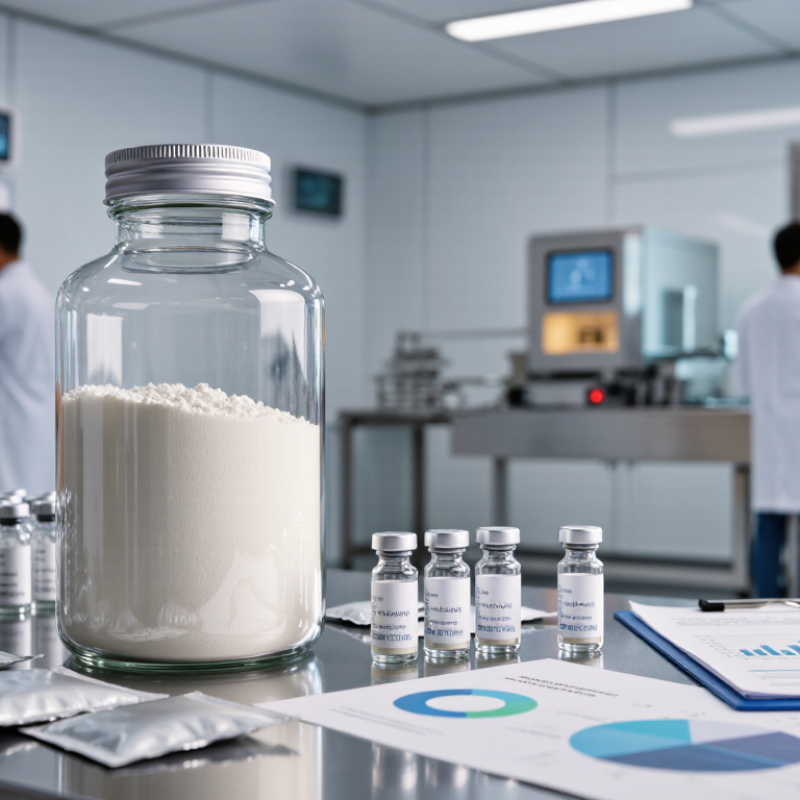
Why Choose Pancreatin Powder for Global Sourcing?

What Is Pancreatin Powder and How Does It Work?

Pancreatin Powder for Global Sourcing: What It Is and How It Works

Pancreatin powder is a concentrated blend of digestive enzymes. It commonly contains protease, amylase, and lipase. These enzymes help break down proteins, carbohydrates, and fats into smaller molecules. Protease acts on protein chains. Amylase converts starch into simpler sugars. Lipase helps split fats into fatty acids and glycerol. The powder does not digest food by itself. Moisture, temperature, pH, and contact time affect its activity. That detail is easy to overlook.

In professional sourcing, buyers should examine enzyme activity rather than relying only on appearance. A fine, pale powder may still perform poorly after unsuitable storage. I would request a current certificate of analysis, identity testing, microbial results, heavy-metal limits, and stability data. Source documentation also matters. Animal origin, processing controls, allergen statements, and destination-market requirements should be clearly recorded. No batch is perfectly identical. Natural variation can occur. That limitation deserves honest discussion. Small laboratory trials can reveal changes in dissolution, odor, or activity before a larger order is placed. Packaging should protect the powder from heat and humidity, with traceable lot numbers and controlled storage records.

Why Choose Pancreatin Powder for Global Sourcing?

Pancreatin powder is a blend of digestive enzymes derived from pancreatic tissue. Its principal enzyme activities include amylase for carbohydrate digestion, lipase for fat digestion, and proteases such as trypsin and chymotrypsin for protein digestion.

The chart shows representative optimum pH values reported for major pancreatic enzymes. Actual activity ranges depend on the specification, assay method, formulation, and storage conditions, so global sourcing should verify declared enzyme activity units, purity, moisture, microbiological quality, and regulatory compliance.

Key Enzymes, Properties, and Quality Standards of Pancreatin Powder

Pancreatin powder is valued for three active enzyme groups: amylase, protease, and lipase. Amylase breaks starch into smaller carbohydrates. Protease supports protein hydrolysis. Lipase acts on fats, producing fatty acids and glycerol. Their balance matters more than total powder weight. A pale, free-flowing powder can still show weak activity if moisture or heat has damaged the enzymes.

The United States Pharmacopeia–National Formulary and European Pharmacopoeia describe pancreatin through enzyme activity, identity, purity, and microbial controls. Common specifications report activity in units per milligram, not only in percentages. This distinction is important. A 2024 industry review of digestive enzyme products found that potency claims varied substantially between suppliers, partly because assay conditions were not uniform. Buyers should request the test method, reference standard, batch number, and retest date. Numbers need context.

In practical sourcing, I would also check loss on drying, heavy metals, residual solvents, and pathogen results. ISO 22000-based food safety systems can strengthen supplier control, but certification alone proves little about enzyme potency. Storage records matter. Pancreatin may lose activity after repeated exposure to humidity, especially when packaging is opened in warm warehouses. One detail is often overlooked: lipase activity can decline faster than visual quality suggests.

That is a warning.

Reliable qualification should include independent laboratory verification, trend analysis across batches, and clear acceptance limits aligned with USP-NF or Ph. Eur. requirements. Some procurement decisions still rely too heavily on certificates. That deserves reconsideration.

Why Pancreatin Powder Supports Efficient Global Sourcing

Pancreatin powder can support efficient global sourcing when buyers need a concentrated digestive enzyme ingredient with practical transport advantages. Its dry format simplifies handling and suits sealed containers, controlled storage, and standard pallet shipping. This matters when shipments cross climates, ports, and long supply routes. Yet powder alone does not guarantee efficiency. Buyers should compare enzyme activity, source, particle profile, and intended application before reviewing prices. Small differences can change production performance.

A reliable sourcing process begins with clear specifications. Request batch-level certificates of analysis, testing methods, moisture limits, microbiological results, allergen statements, and traceability records. Confirm the animal source and processing controls. Ask how the material is packed, labeled, and protected from heat or humidity. A dependable supplier should explain deviations rather than hide them. Documentation helps only when it matches the delivered lot.

Pilot testing often reveals issues that spreadsheets miss. A powder may flow well in a trial blend but behave differently after extended storage. Activity can also vary between batches. A risk-based plan can help: approve samples, define acceptance limits, and monitor repeat shipments. Global sourcing is rarely perfect. Weather, customs checks, and changing forecasts may still disrupt timing. Qualified alternatives and realistic safety stock improve resilience, without treating pancreatin powder as a one-size-fits-all solution.

Why Choose Pancreatin Powder for Global Sourcing? - Why Pancreatin Powder Supports Efficient Global Sourcing

Sourcing Dimension Relevant Data or Technical Fact Why It Supports Global Sourcing Recommended Buyer Verification
Product Format Pancreatin powder is a dry, non-aqueous enzyme preparation containing pancreatic enzyme activities, commonly including amylase, lipase, and protease. A dry format is generally easier to consolidate, store, and transport than a liquid enzyme preparation because it does not require liquid handling during routine shipment. Confirm the physical form, bulk density, particle-size profile, and packaging configuration in the technical data sheet.
Activity-Based Specification Pancreatin is normally specified by enzyme activity rather than by weight alone. Amylase, lipase, and protease activities may each be reported in activity units per gram. Activity-based purchasing allows buyers to compare functional performance instead of relying only on nominal powder quantity. Require the assay method, activity units, acceptance limits, and a certificate of analysis for every lot.
Assay Comparability Enzyme activity values are method-dependent; results expressed under different assay conditions may not be directly interchangeable. Standardized comparison reduces the risk of selecting a lower-performing material based on apparently higher numerical activity values. Compare suppliers using the same recognized test method, substrate, pH, temperature, reaction time, and unit definition.
Moisture Sensitivity Enzymes can lose activity when exposed to excessive heat or moisture. Hygroscopic behavior and stability depend on formulation and packaging. Appropriate moisture-barrier packaging helps preserve activity during long-distance transport and variable climatic conditions. Review water content or loss-on-drying limits, packaging materials, desiccant use, and stability data under intended shipping conditions.
Storage Requirements Storage conditions are grade-specific, but pancreatin powder is generally protected from heat, humidity, and direct light, with the supplier label taking precedence. Clear storage requirements support consistent warehousing across different countries and reduce avoidable activity loss. Obtain the approved storage temperature, humidity guidance, shelf life, retest period, and post-opening handling instructions.
Animal-Origin Traceability Pancreatin is commonly derived from animal pancreatic tissue, so origin, species, processing controls, and traceability are important quality considerations. Documented origin enables import assessment, regulatory review, and suitability checks for markets with animal-derived material requirements. Request species information, source-country details, traceability records, and applicable animal-health declarations.
TSE/BSE Documentation Animal-derived enzyme materials may require transmissible spongiform encephalopathy and bovine spongiform encephalopathy risk documentation, depending on the destination market and application. Advance documentation can reduce customs delays and support regulatory qualification in pharmaceutical, nutraceutical, and food-related applications. Check whether current TSE/BSE statements, veterinary certificates, and country-of-origin documents meet the importing authority’s requirements.
Microbiological Quality Microbial limits are relevant because pancreatin is a biological material and may be used in products subject to food, pharmaceutical, or nutraceutical controls. Consistent microbiological testing helps buyers qualify materials for different regulatory and end-use environments. Specify total aerobic microbial count, yeast and mold limits, absence requirements for relevant pathogens, and the applicable testing standard.
Contaminant Control Depending on the application and source material, buyers may assess heavy metals, residual processing substances, allergens, and other specified contaminants. A defined contaminant-control program makes one specification usable across multiple markets with different compliance expectations. Request the contaminant profile, risk assessment, test frequency, and compliance statements for the intended application.
Pharmacopoeial Alignment Depending on the grade, specifications may reference recognized standards such as the United States Pharmacopeia–National Formulary or the European Pharmacopoeia. Alignment with a recognized monograph can simplify technical evaluation and support regulatory consistency across regions. Verify the exact monograph edition, applicable tests, grade designation, and any additional customer-specific requirements.
Batch-to-Batch Consistency Because pancreatin contains multiple enzyme activities, lot release should evaluate the relevant activity profile rather than appearance alone. Consistent activity helps manufacturers maintain dosage calculations, production performance, and finished-product specifications. Review historical certificates of analysis, statistical batch data, deviation records, and sample-to-sample performance.
Packaging and Shipping Packaging should protect the powder from moisture, contamination, and excessive temperature exposure during international transport. Suitable packaging supports longer supply routes and reduces the chance of damaged or out-of-specification deliveries. Confirm inner and outer packaging, tamper evidence, palletization, transport temperature limits, and shipment documentation.
Application Flexibility Pancreatin may be evaluated for pharmaceutical, nutraceutical, food-processing, research, or technical applications, but each use requires a suitable grade. A clearly defined grade enables procurement teams to source from multiple regions without compromising intended-use requirements. Match the material to the final application, regulatory category, dosage form, purity requirements, and permitted animal-origin status.

Note: Specification ranges, assay methods, storage conditions, and regulatory requirements vary by grade, intended application, destination market, and supplier documentation.

How to Evaluate Suppliers, Certifications, and Product Consistency

Pancreatin powder requires more than a competitive quotation. Supplier evaluation should begin with documented enzyme activity, including lipase, amylase, and protease values. Ask for three recent batch Certificates of Analysis, not one polished example. Compare assay results, moisture, microbial limits, heavy metals, and residual solvents.

FDA’s Drug Shortages Task Force Report (2019) linked 62% of shortages to manufacturing or product-quality problems. Consistency deserves serious attention.

Certifications can support trust, but they cannot replace laboratory evidence. Check current GMP, ISO 9001, HACCP, and relevant halal or kosher documentation. Verify the certificate holder, production site, scope, and expiry date directly with the issuing body.

For animal-derived pancreatin, request origin records, traceability procedures, and BSE/TSE controls.

USP <61> and <62> provide recognized microbiological testing approaches, while the FDA Process Validation Guidance (2011) emphasizes continued process monitoring.

A supplier with perfect paperwork may still show unstable activity. That is the uncomfortable part.

Tips:

Request retain samples from at least three lots.

Test them through an independent laboratory.

Review storage records, packaging seals, and transport temperatures.

Ask how deviations are investigated.

If answers stay vague, pause the purchase.

Also, do not treat a low price as efficiency; it may reflect weaker testing, shorter stability data, or inconsistent raw materials.

Supplier audits should include mixing rooms, calibration logs, change-control records, and complaint files. Photos help, but on-site evidence is stronger.

Packaging, Regulations, and Logistics for International Procurement

Pancreatin powder can simplify global sourcing when buyers control three risks: packaging, compliance, and delivery. Its enzyme activity may decline when moisture, heat, or repeated opening reaches the material. Use sealed inner liners inside fiber or plastic drums, with tamper-evident closures. Keep the pack size practical. Oversized containers can increase exposure during production.

A reliable supplier should provide a current certificate of analysis, safety data sheet, batch number, retest date, and origin details. The buyer must confirm whether the material is intended for food, feed, or pharmaceutical processing. Requirements differ across markets. Check import permits, labeling language, allergen declarations, permitted use, and tariff classification before shipment. Animal-origin information may also require specific documentation. GMP evidence can support due diligence, but it does not replace local registration. That distinction is easy to miss.

Logistics planning should include humidity protection, pallet stability, and clear shipping documents. Ask for photos of sealed drums before loading. Use data loggers when routes cross hot or highly humid regions. Confirm customs brokers, insurance, and delivery responsibilities in writing. A pre-shipment sample can reveal clumping or unusual odor, although it cannot replace full batch testing. Some teams focus heavily on price. That can be a costly shortcut.

FAQS

What is pancreatin powder?

Pancreatin powder is a concentrated blend of digestive enzymes. It commonly contains amylase, protease, and lipase. These enzymes help break down starch, proteins, and fats.

How does pancreatin powder work?

Protease acts on protein chains. Amylase changes starch into simpler sugars. Lipase splits fats into fatty acids and glycerol. Moisture, temperature, pH, and contact time affect performance.

Does the powder digest food by itself?

No. The powder needs suitable moisture, temperature, and pH conditions. Poor conditions may reduce enzyme activity. That detail is easy to overlook.

What should buyers check during sourcing?

Buyers should examine enzyme activity, not appearance alone. Request identity results, microbial testing, heavy-metal limits, stability data, and a current analysis certificate. Numbers need context.

Why is enzyme activity more important than powder weight?

Enzyme balance matters more than total powder weight. Activity is usually reported in units per milligram. Two powders with similar weights may perform differently.

Can a pale, fine powder still have weak performance?

Yes. Heat and humidity can damage enzymes without changing the powder’s appearance. A free-flowing texture proves very little. Looks can mislead.

How can storage affect pancreatin powder?

Repeated humidity exposure may reduce activity, especially in warm warehouses. Lipase activity can decline faster than visual quality suggests. Use protective packaging and controlled storage records.

What testing is useful before placing a large order?

Small laboratory trials can reveal changes in dissolution, odor, and enzyme activity. Independent testing can compare results across batches. A larger order should wait if results remain unclear.

What documentation should accompany the material?

Records should describe animal origin, processing controls, allergen information, lot numbers, and destination-market requirements. Include the test method, reference standard, batch number, and retest date. Documentation alone is not enough.

Are supplier certificates always reliable?

Certificates provide useful evidence, but they do not prove consistent potency by themselves. Test methods may differ between suppliers. I would compare trends across batches and set clear acceptance limits. That deserves reconsideration.

Conclusion

Pancreatin Powder is a digestive enzyme preparation commonly used to support the breakdown of proteins, fats, and carbohydrates. Its effectiveness depends on the balance and activity of key enzymes, as well as factors such as purity, moisture content, stability, and microbiological quality. Reliable quality standards and consistent testing help buyers confirm that each batch meets the required specifications for intended applications.

For efficient global sourcing, purchasers should evaluate suppliers through documentation, production capabilities, quality systems, certifications, sample testing, and batch-to-batch consistency. Clear communication about enzyme activity, technical requirements, shelf life, and storage conditions can reduce procurement risks. Appropriate packaging should protect the powder from moisture, heat, and contamination, while accurate labeling and complete export documents support smooth international logistics. By reviewing regulatory requirements in the destination market and confirming dependable supply capacity, businesses can make informed decisions and establish a more stable sourcing strategy for Pancreatin Powder.


Charlotte

Charlotte

Charlotte is a seasoned marketing professional with a deep understanding of the company's portfolio and a passion for elevating its presence in the market. With a keen eye for detail and a commitment to excellence, she ensures that our professional blog is regularly updated with insightful articles......