Best D-Allulose sweetene D-Psicose powder Wholesale Exporters, Factories

Product name:D-Allulose
CAS:551-68-8  
Molecular formula: C6H12O6
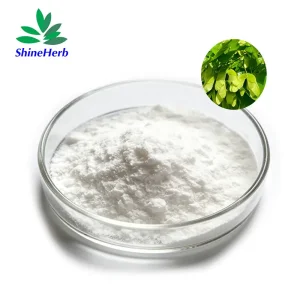
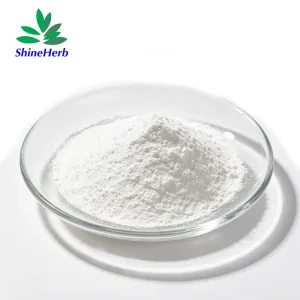
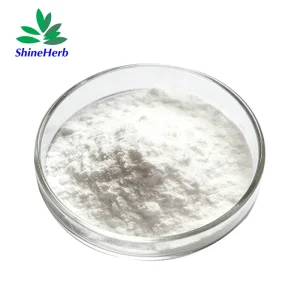
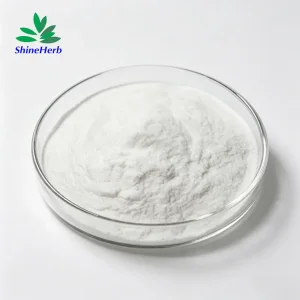
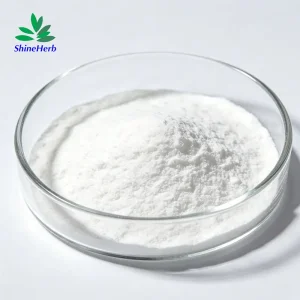
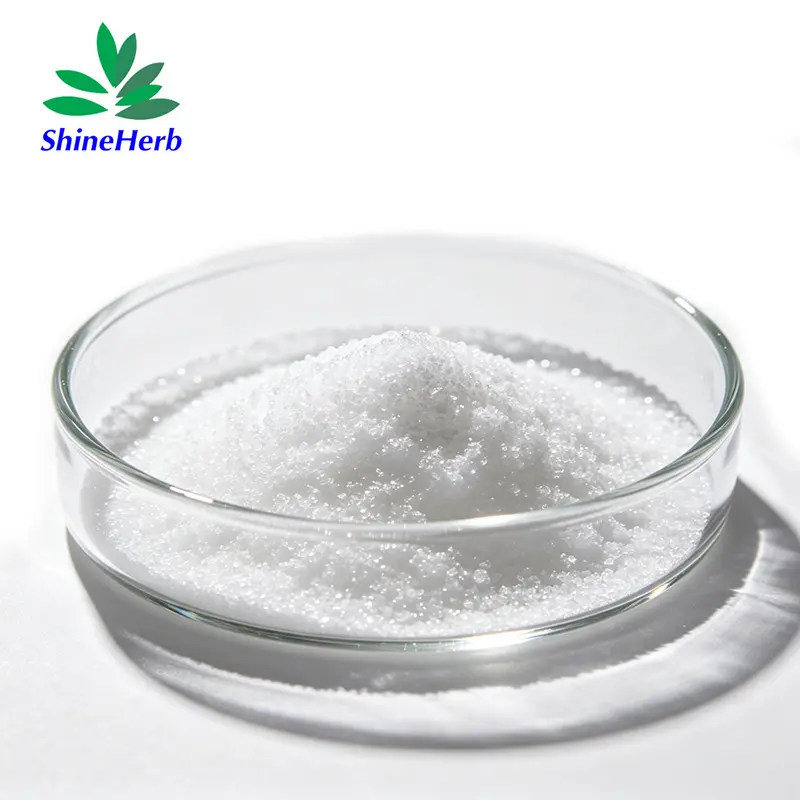
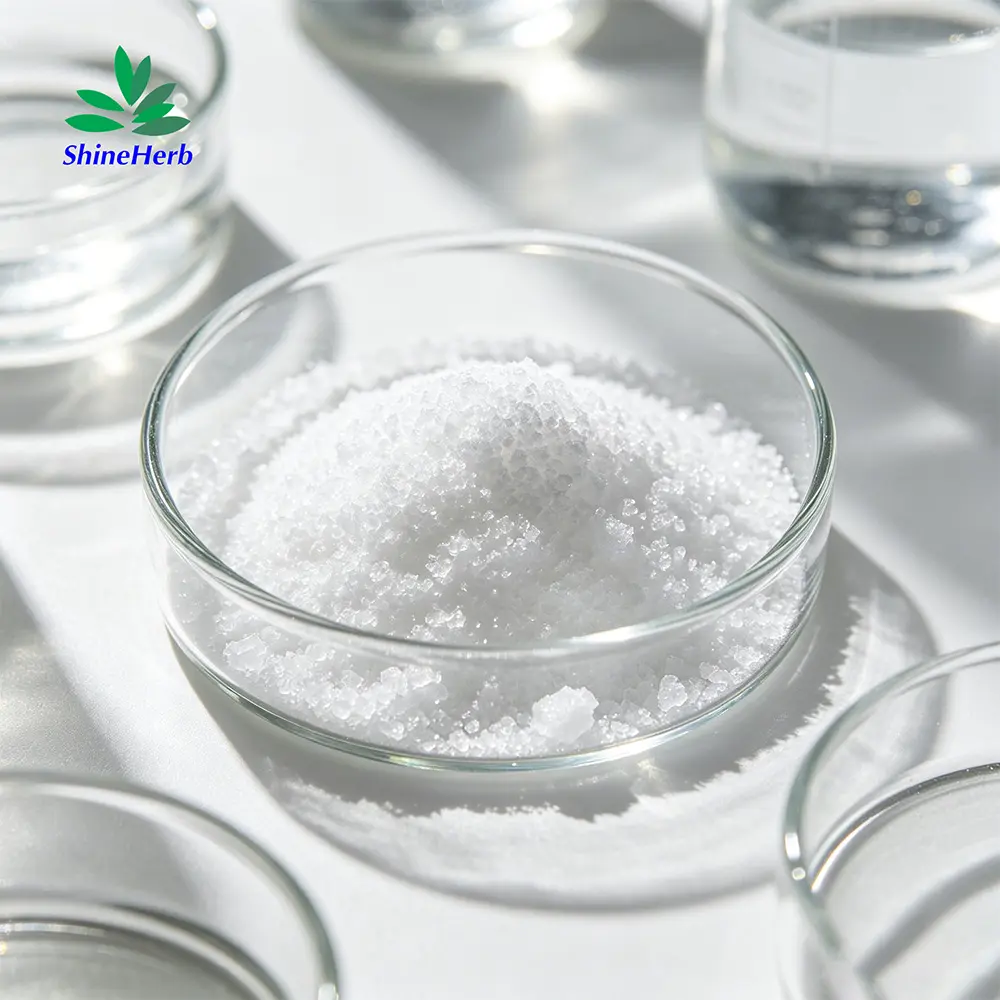
Apperance:White crystalline powder
Specification:99%
Test method:HPLC/UV
Standard:ISO, USP, EP
Delivery : EXW,FOB,CFR,CIF,DAP,DDP
Packaging: 20 kgs/drum or customized packaging available
Payment :  T/T bank transfer, Western Union,PayPal
Shelf time:2 years,keep away sunlight, keep dry

Product Description

Product Description

allulose-3

D-Allulose is a rare sugar that occurs in small amounts in nature and is found in kiwi fruit, pineapple and honey cane. D-aloxone is produced from fruit mill as substrate by the isomerization of aloxone isomerase at C-3 position.

D-Allulose (formerly known as D-psicose) is a white crystalline powder, a differential isomer of D-fructose at the C-3 position, with 70% of the sweetness and only 0.3% of the calories of sucrose.

Product Feature

  • It has a similar taste to sucrose, but it is not metabolized by the human body.
  • Maillard reactions with proteins provide color and aroma.
  • Well tolerated, no adverse digestive system symptoms.

Certificate of Analysis

Item Standard Specification Result
Assay(Protein g/100g) GB/T5009.5 ≥90 g/100g 95.7 g/100g
Appearance GB31645 White or canary yellow flowing powder Conform
Odor GB31645 No smell or little fishy smell Conform
Average molecular weight GB31645 <3000 Dalton Conform
PH(1% H20 solution) GB 5009.237 5.0-7.5 6.0
Hydroxyproline (in dry basis) GB/T 9695.23 >7.0 g/100g 7.9 g/100g
Loss on drying GB 5009.3 ≤7.0 g/100g 2.9 g/100g
Moisture GB 5009.3 ≤7.0 g/100g 2.9 g/100g
Ash GB 5009.4 ≤3.0 g/100g 0.6 g/100g
Lead GB 5009.12 ≤0.5 mg/kg Conform
Cadmium GB 5009.15 ≤0.1 mg/kg Conform
Arsenic GB 5009.11 ≤0.1 mg/kg Conform
Mercury GB 5009.17 ≤0.1 mg/kg Conform
Coliforms GB/T4789 Negative Not detected
Bacterial Count GB/T4789 <1000 (cfu/g) <50
Escherichiacoli GB/T4789 Negative Not detected
Thermoduric bacteria GB/T4789 <300(cfu/g) Not detected

Functions/ Application

  • Blood glucose management potential: It hardly raises blood glucose itself. Studies indicate it may help mitigate post‑prandial blood glucose fluctuations by inhibiting carbohydrate‑degrading enzymes and regulating sugar absorption. It is not a substitute for anti‑diabetic medication.
  • Lipid & weight regulation: It may enhance satiety via GLP‑1 secretion, reduce fat synthesis and accumulation, and improve lipid profiles.
  • Antioxidant & anti‑inflammatory properties: It scavenges reactive oxygen species and alleviates oxidative stress in pre‑clinical studies.
  • Dental‑friendly: It is not fermented by oral cariogenic bacteria, lowering caries risk.
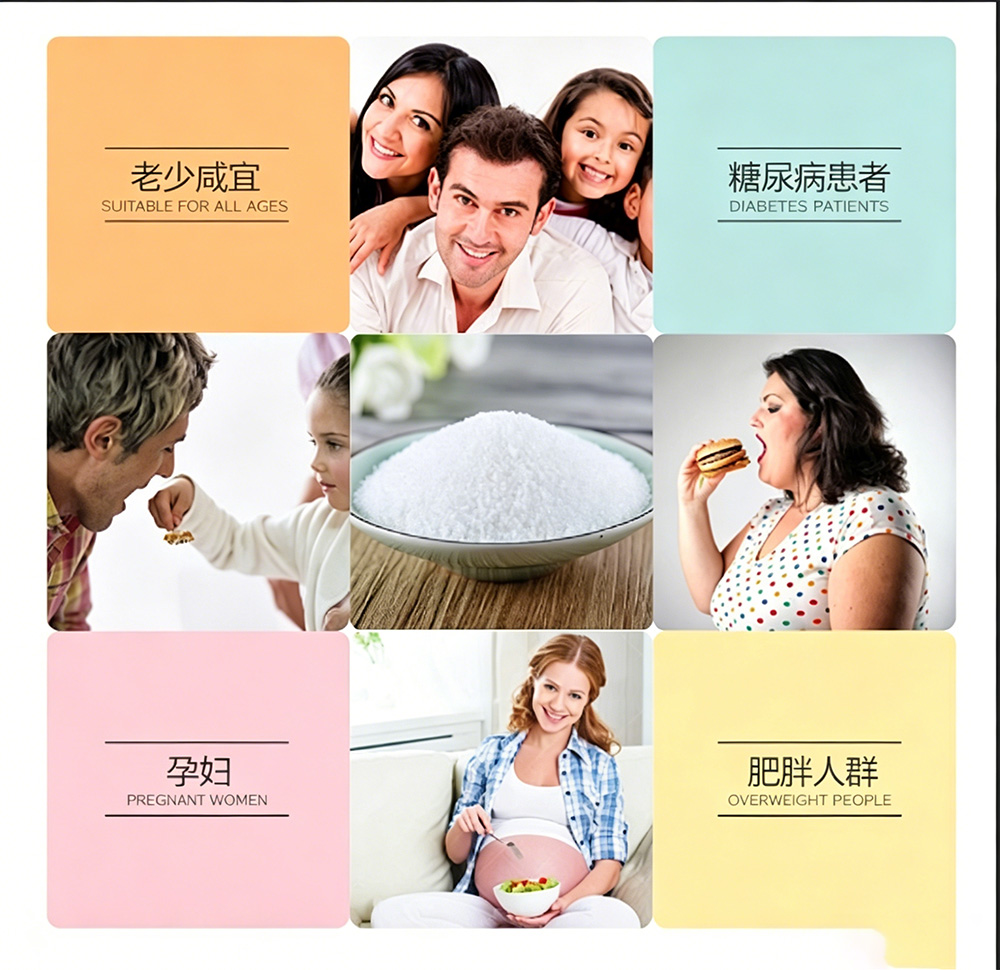
Safety notes: Recommended daily intake for adults ≤20 g. Not advised for infants, pregnant and lactating women. Diabetic patients should use it under medical supervision.
allulose-4

Packing

Weight Packing method
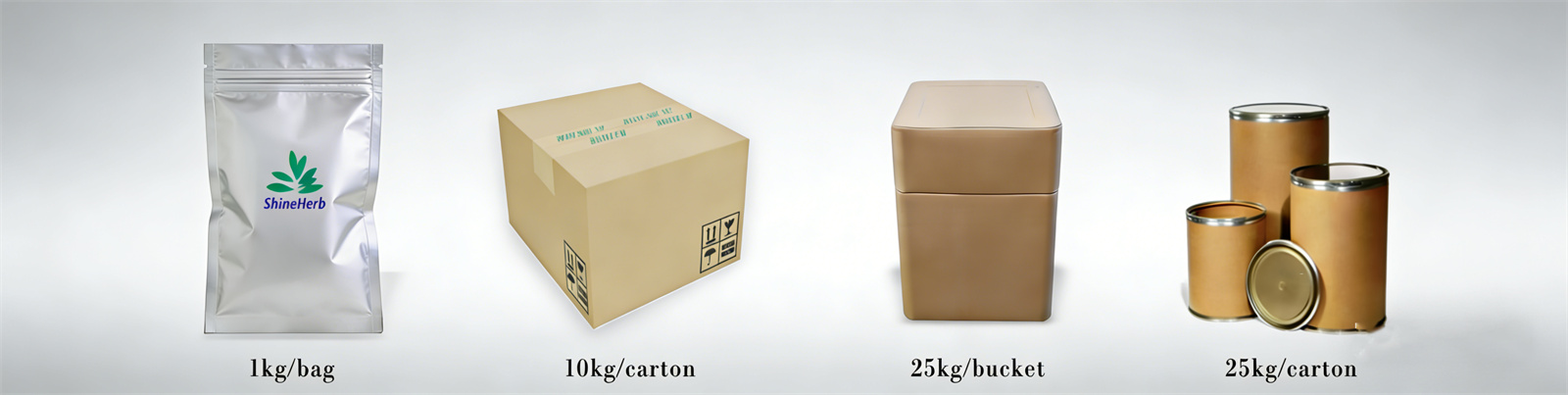
1kg bag/kg, box outside (double plastic bag + Aluminum foil bag inside)
10kgs, 25kg or more by Drums or carton (2 layers plastic bag inside)
packaging

Delivery

Weight Delivery method Delivery time Destination
1kg-25kgs EMS, DHL, UPS, Fedex 3-7days Door to door
25kgs-100kgs DHL, FedEx, by Air 3-7days Door to door (to Airport by Air)
more than 100kgs by Air 3-7days Door to Airport
by Sea 10-35days Door to port

Logistics

Logistics

Frequently Asked Questions

What is D-Allulose?
D-Allulose is a rare sugar that exists naturally in very small quantities in foods like kiwi, pineapple, and honey cane. It shares a similar taste profile with sucrose but delivers only 0.3% of the calories, making it a popular low-calorie sweetener alternative.
How sweet is D-Allulose compared to regular sugar?
D-Allulose has approximately 70% of the sweetness of sucrose (standard table sugar) and provides a clean, similar taste profile without any bitter aftertaste.
Does D-Allulose impact blood sugar or insulin levels?
D-Allulose is not metabolized by the human body and hardly raises blood glucose levels. Studies indicate it may help mitigate post-prandial blood sugar spikes by regulating sugar absorption, though it is not a replacement for diabetes medication.
Are there any safety limitations or restrictions on usage?
The recommended daily intake for adults is 20 grams or less. It is not advised for infants, pregnant women, or lactating mothers, and diabetic patients should consult their medical supervisors before introducing it into their diets.
Does D-Allulose cause dental cavities?
No, D-Allulose is dental-friendly. Because it cannot be fermented by the cariogenic bacteria present in the mouth, it does not contribute to the risk of dental caries.

Related Products