 ShineHerb
1 / 1
Latilactobacillus sakei (formerly Lactobacillus sakei) is mainly isolated from fermented meat and vegetable products, and it can also be found in human faeces. In 2014, it was approved as an edible microbial strain by the National Health and Family Planning Commission of China.
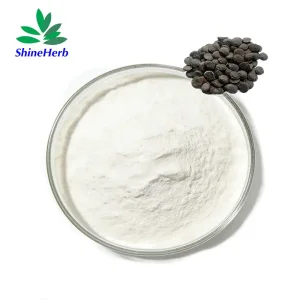
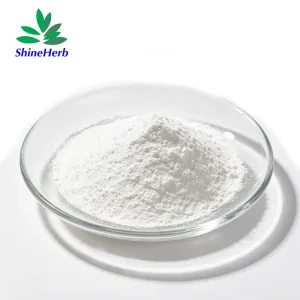
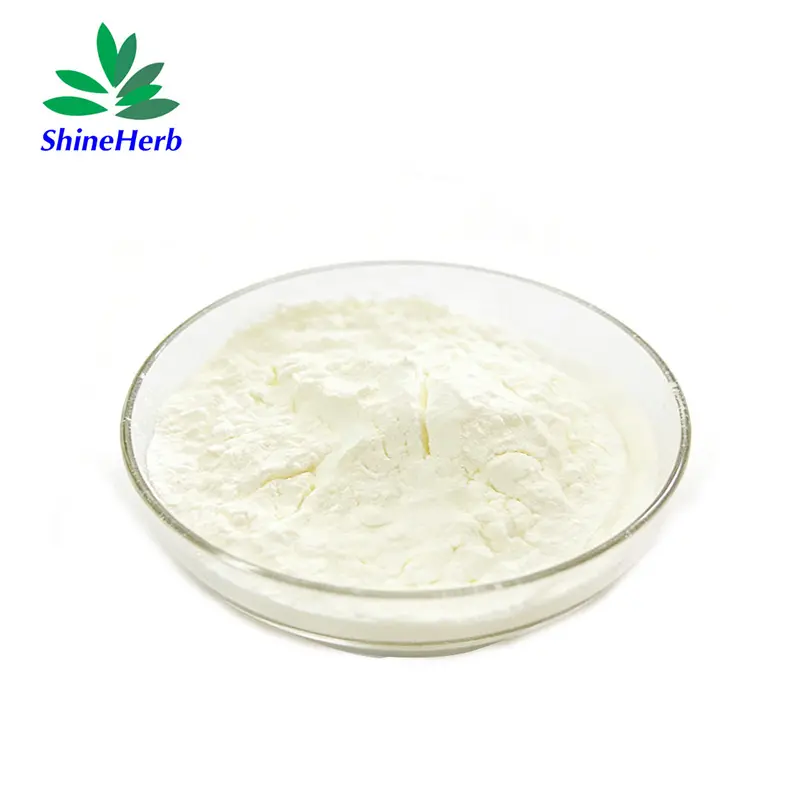
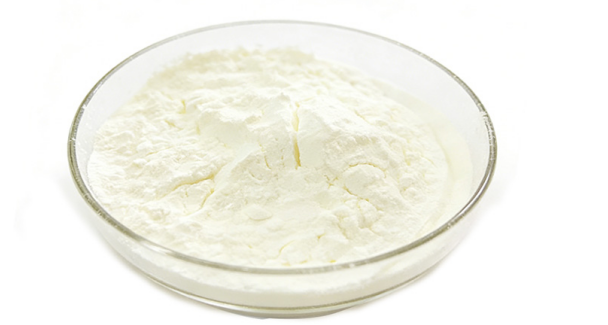
It is produced by deep-liquid fermentation combined with freeze-drying. Appearance: off-white to light-cream free-flowing freeze-dried powder with slight fermented odour and good water solubility. It is salt-tolerant and cold-resistant. As a non-spore-forming bacterium, it has poor heat resistance, so micro-encapsulation is recommended for high-temperature processing.
Ferments carbohydrates to produce L-lactic acid and sakacin bacteriocins, inhibiting certain food borne pathogens such as Listeria monocytogenes and Staphylococcus aureus for natural biopreservation.
Selected strains survive gastric acid and bile salts to balance gut microbiota and produce short chain metabolites for mucosal health. Certain strains support skin microbiome balance. Qualified for GRAS / QPS safety assessment.
Tolerates high salt and low temperature conditions for stable growth in fermented meat and pickled vegetable matrices.
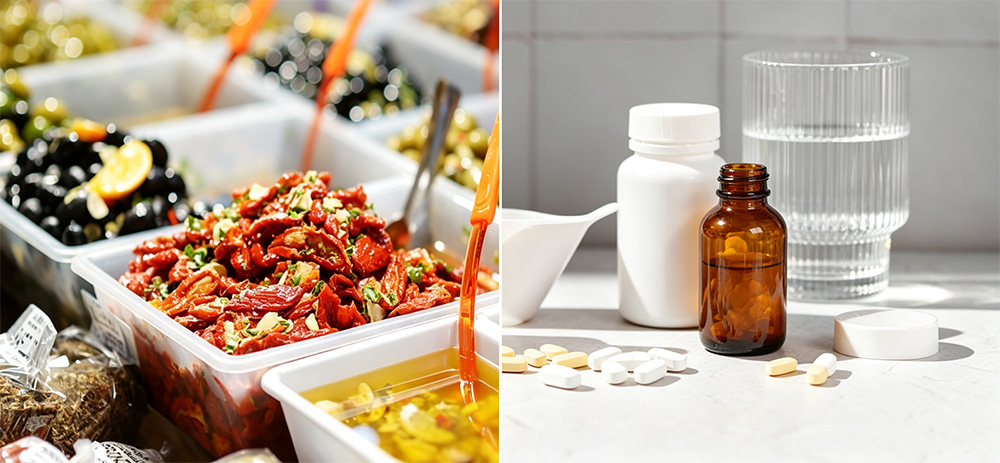
Food Fermentation: Traditional fermented foods: As a core starter culture, it is widely applied in the fermentation of sake, pickled vegetables (cabbage, radish), fermented sausages, sauerkraut, soy sauce and other foods.
Health care Products: Latilactobacillus sakei is commonly used in functional foods, health care products and dietary supplements to modulate intestinal microecology. It also shows potential for supporting skin condition such as atopic dermatitis.
Ocular Health: Its bacterial lysate demonstrates potential for relieving dry eye discomfort and can be applied in topical preparations such as ophthalmic eye drops.
| Taxonomy | Specification |
|---|---|
| Bacillus coagulans | 20B CFU/g, 100B CFU/g |
| Lactobacillus sake | 100B CFU/g |
| Lactobacillus acidophilus | 100B CFU/g |
| Lactobacillus helveticus | 400B CFU/g |
| Lactobacillus plantarum | 400B CFU/g |
| Lactobacillus fermentum | 100B CFU/g |
| Lactobacillus crispatus | 200B CFU/g |
| Bifidobacterium bifidum | 100B CFU/g |
| Lactobacillus rhamnosus | 400B CFU/g |
| Bifidobacterium breve | 100B CFU/g |
| Bifidobacterium lactis | 400B CFU/g |
| Bifidobacterium longum subsp. longum | 100B CFU/g |
| Streptococcus thermophilus | 50B~200B CFU/g |
| Bifidobacterium longum subsp. infantis | 150B CFU/g |
| Lactobacillus bulgaricus | 50B CFU/g |
| Lactobacillus gasseri | 100B CFU/g |
| Lactobacillus reuteri | 200B CFU/g |
| Lactobacillus salivarius | 200B CFU/g |
| Lactobacillus paracasei | 400B CFU/g |
| Lactobacillus casei | 400B CFU/g |
| Weight | Packing method |
|---|---|
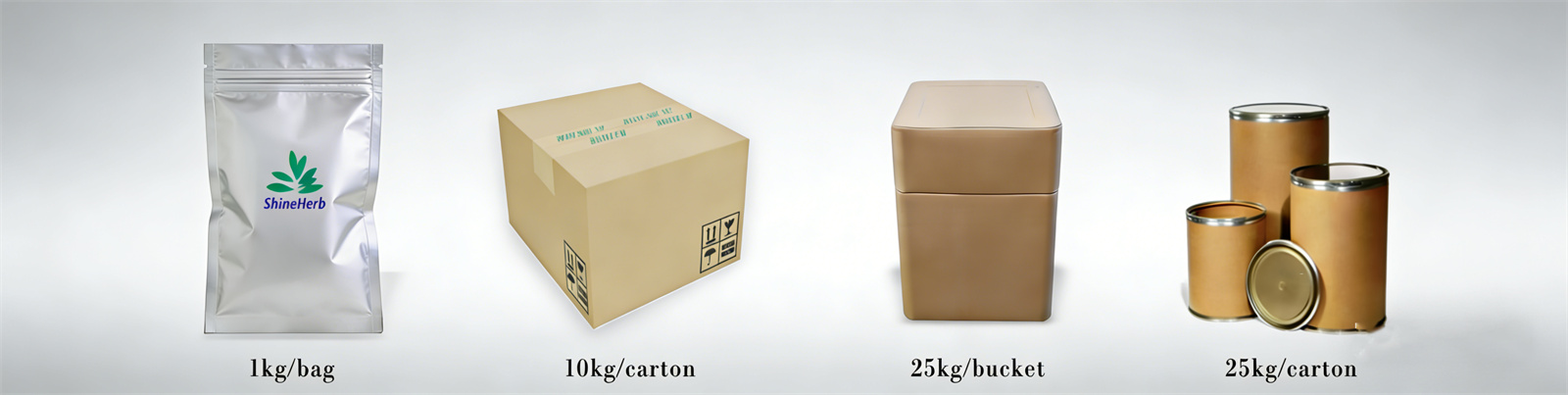
| 1kg | bag/kg, box outside (double plastic bag + Aluminum foil bag inside) |
| 10kgs, 25kg or more | by Drums or carton (2 layers plastic bag inside) |
| Weight | Delivery method | Delivery time | Destination |
|---|---|---|---|
| 1kg-25kgs | EMS, DHL, UPS, Fedex | 3-7 days | Door to door |
| 25kgs-100kgs | DHL, FedEx, by Air | 3-7 days | Door to door (to Airport by Air) |
| more than 100kgs | by Air | 3-7 days | Door to Airport |
| by Sea | 10-35 days | Door to port |

The strain is GRAS and QPS certified, safe, non-toxic and side-effect free. It complies with international export standards and can be safely used in qualified food, dietary supplement and feed formulas.
Free samples are available for testing. We can provide complete documents including COA, MSDS and strain identification reports to support export and customer audit.
Short-term storage: 2-8℃ refrigeration; Long-term storage: -18℃ freezing. Keep tightly sealed, away from light, moisture and high temperature. The standard shelf life is 12-18 months.
It is mainly isolated from fermented meat and vegetable products, and was officially approved as an edible microbial strain by the National Health and Family Planning Commission of China in 2014.
It is widely used as a starter culture for traditional fermented foods (sake, kimchi, sausages, sauerkraut), in health supplements for gut microecology balance and skin health, and as lysates for ocular health applications like eye drops.
It ferments carbohydrates to produce L-lactic acid and sakacin bacteriocins, which naturally inhibit common food-borne pathogens like Listeria monocytogenes and Staphylococcus aureus.