 ShineHerb
1 / 1
Lactobacillus fermentum is a Gram-positive bacterium within the Lactobacillaceae family. As a heterofermentative lactic acid bacterium, it produces not only lactic acid during metabolism, but also acetic acid, ethanol and carbon dioxide. It is widely found in the oral cavity, intestinal tract and vagina of humans and animals, and serves as an important strain in many fermented foods.
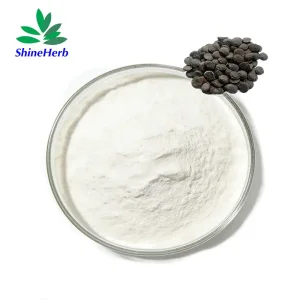
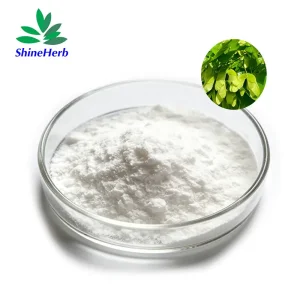
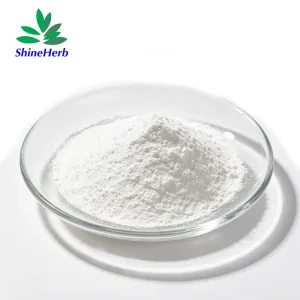
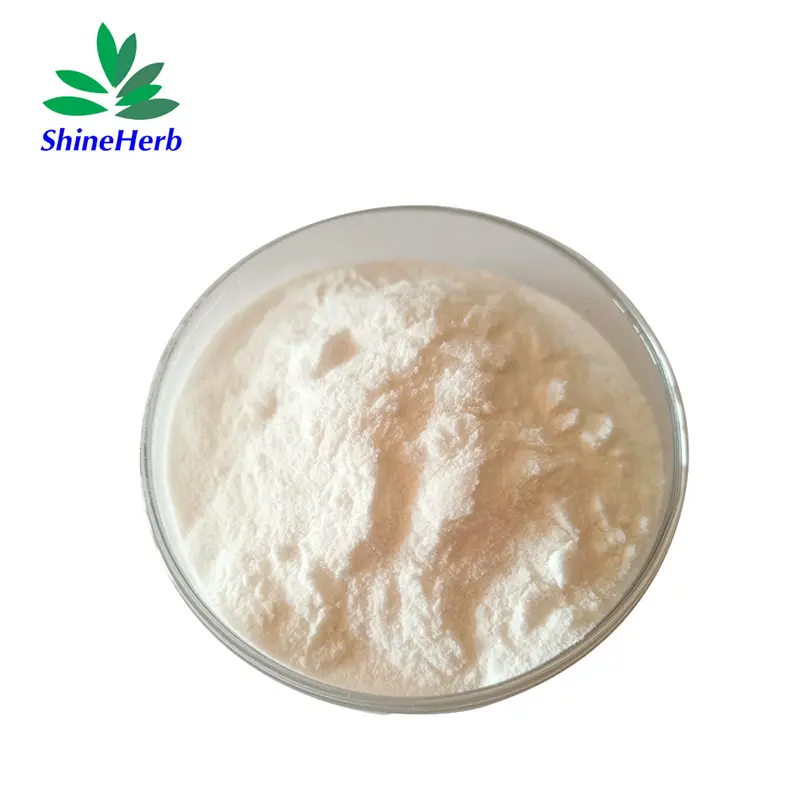
Limosilactobacillus fermentum powder is produced by submerged liquid fermentation followed by freeze-drying. It appears as off-white to pale cream-yellow powder with a fermented odour and exhibits good water-solubility. Our popular specification is 100 B CFU/g. It has obtained QPS and GRAS safety qualifications and is approved for use as raw material in food and dietary supplements in many countries.
Produces lactic acid, acetic acid, ethanol and CO₂. Selected strains generate GABA and exopolysaccharides for unique fermented-food flavour and antioxidant effects.
Survives gastric acid and bile salts for gut colonisation. Good environmental and salt tolerance, ideal for complex formulations.
Balances gut microflora and protects intestinal barrier; modulates immune cell function and eases inflammatory response.
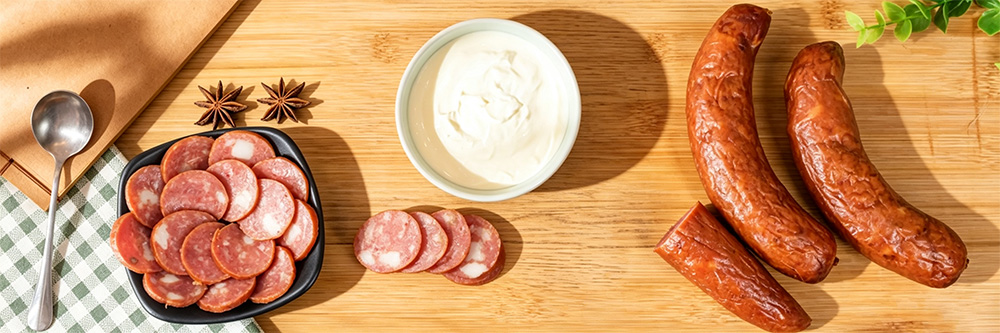
Widely applied in the production of yogurt, fermented milk, fermented sausages and other products. It not only improves flavour and texture, but also enhances the digestibility and shelf life of finished goods.
Studies show that Limosilactobacillus fermentum can form nitrosomyoglobin (NOMb) during fermentation of meat products such as red sausages. It delivers stable red colour for meat products and serves as a natural alternative to nitrite for improved food safety.
| Taxonomy | Specification |
|---|---|
| Bacillus coagulans | 20B CFU/g, 100B CFU/g |
| lactobacillus sake | 100B CFU/g |
| Lactobacillus acidophilus | 100B CFU/g |
| Lactobacillus helveticus | 400B CFU/g |
| Lactobacillus plantarum | 400B CFU/g |
| Lactobacillus fermentum | 100B CFU/g |
| Lactobacillus crispatus | 200B CFU/g |
| Bifidobacterium bifidum | 100B CFU/g |
| Lactobacillus rhamnosus | 400B CFU/g |
| Bifidobacterium breve | 100B CFU/g |
| Bifidobacterium lactis | 400B CFU/g |
| Bifidobacterium longum susp.longum | 100B CFU/g |
| Streptococcus thermophilus | 50B~200B CFU/g |
| Bifidobacterium longum susp.infantis | 150B CFU/g |
| Lactobacillus bulgaricus | 50B CFU/g |
| Lactobacillus gasseri | 100B CFU/g |
| Lactobacillus reuteri | 200B CFU/g |
| Lactobacillus salivarius | 200B CFU/g |
| Lactobacillus paracasei | 400B CFU/g |
| Lactobacillus casei | 400B CFU/g |
| Weight | Packing method |
|---|---|
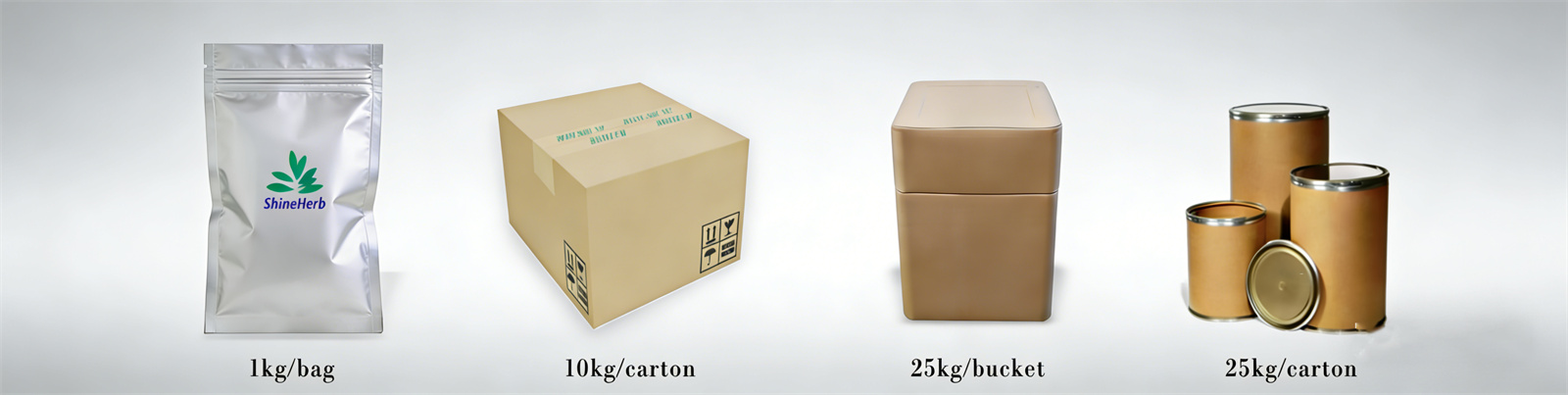
| 1kg | bag/kg, box outside (double plastic bag + Aluminum foil bag inside) |
| 10kgs, 25kg or more | by Drums or carton (2 layers plastic bag inside) |
| Weight | Delivery method | Delivery time | Destination |
|---|---|---|---|
| 1kg-25kgs | EMS, DHL, UPS, Fedex | 3-7 days | Door to door |
| 25kgs-100kgs | DHL, FedEx, by Air | 3-7 days | Door to door (to Airport by Air) |
| more than 100kgs | by Air | 3-7 days | Door to Airport |
| by Sea | 10-35 days | Door to port |

Regular in-stock specifications: 100B CFU/g. Custom viable counts, micro-encapsulation and OEM services are available according to your formula requirements.
Free samples are available for testing. We can provide complete documents including COA, MSDS and strain identification reports to support export and customer audit.
Short-term storage: 2-8℃ refrigeration; Long-term storage: -18℃ freezing. Keep tightly sealed, away from light, moisture and high temperature. The standard shelf life is 12-18 months.
Limosilactobacillus fermentum powder has obtained QPS (Qualified Presumption of Safety) and GRAS (Generally Recognized as Safe) safety qualifications. It is approved for use as raw material in food and dietary supplements in many countries.
Key benefits include balancing the gut microflora, protecting the intestinal barrier, modulating immune cell function, and easing the body's inflammatory response.
Studies show that during the fermentation of meat products like red sausages, this strain can form nitrosomyoglobin (NOMb). This delivers a stable red colour naturally, serving as a safe alternative to synthetic nitrites.