 ShineHerb
1 / 1
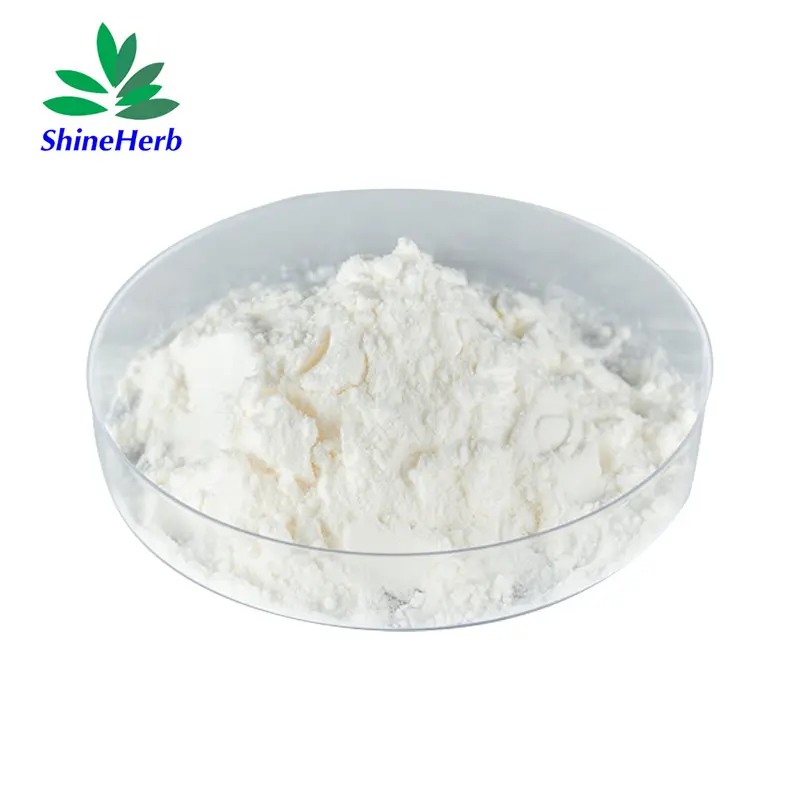
Bifidobacterium infantis is a dominant early commensal beneficial bacterium in the infant gut, classified as the infant subspecies of Bifidobacterium longum. Capable of efficiently utilizing human milk oligosaccharides (HMOs), it acts as a "pioneer bacterium" in the infant intestine and plays a central role in infant gut health, immune development and nutrient absorption.
1. HMO specific metabolic capacity: Bifidobacterium infantis is a preferred probiotic strain for HMO fortified formulations. It utilizes HMOs as a carbon source, adapts to the infant gut environment, and helps establish early intestinal microecology.
2. Complete compliance qualifications: Food grade strain with GRAS and QPS eligibility. It is suitable for a wide range of finished products including infant formula powder, drops and solid beverages.
3. Production and formulation benefits: Manufactured via submerged liquid fermentation and freeze drying to produce free flowing powder. Micro encapsulation is available to enhance processing stability. Multiple CFU specifications can be custom made, and test samples are offered for evaluation.

Infant formula foods: Bifidobacterium infantis can be incorporated into infant targeted products, such as probiotic drops and infant foods.
Dietary supplements: It can be formulated into synbiotic blends together with prebiotics including HMO and FOS. Suitable for solid beverages, capsules and tablets.
Animal nutrition: Used as a feed additive for young animals to improve the survival rate of juvenile livestock.
| Taxonomy | Specification |
| Bacillus coagulans | 20B CFU/g, 100B CFU/g |
| Lactobacillus sakei | 100B CFU/g |
| Lactobacillus acidophilus | 100B CFU/g |
| Lactobacillus helveticus | 400B CFU/g |
| Lactobacillus plantarum | 400B CFU/g |
| Lactobacillus fermentum | 100B CFU/g |
| Lactobacillus crispatus | 200B CFU/g |
| Bifidobacterium bifidum | 100B CFU/g |
| Lactobacillus rhamnosus | 400B CFU/g |
| Bifidobacterium breve | 100B CFU/g |
| Bifidobacterium lactis | 400B CFU/g |
| Bifidobacterium longum subsp. longum | 100B CFU/g |
| Streptococcus thermophilus | 50B~200B CFU/g |
| Bifidobacterium longum subsp. infantis | 150B CFU/g |
| Lactobacillus bulgaricus | 50B CFU/g |
| Lactobacillus gasseri | 100B CFU/g |
| Lactobacillus reuteri | 200B CFU/g |
| Lactobacillus salivarius | 200B CFU/g |
| Lactobacillus paracasei | 400B CFU/g |
| Lactobacillus casei | 400B CFU/g |
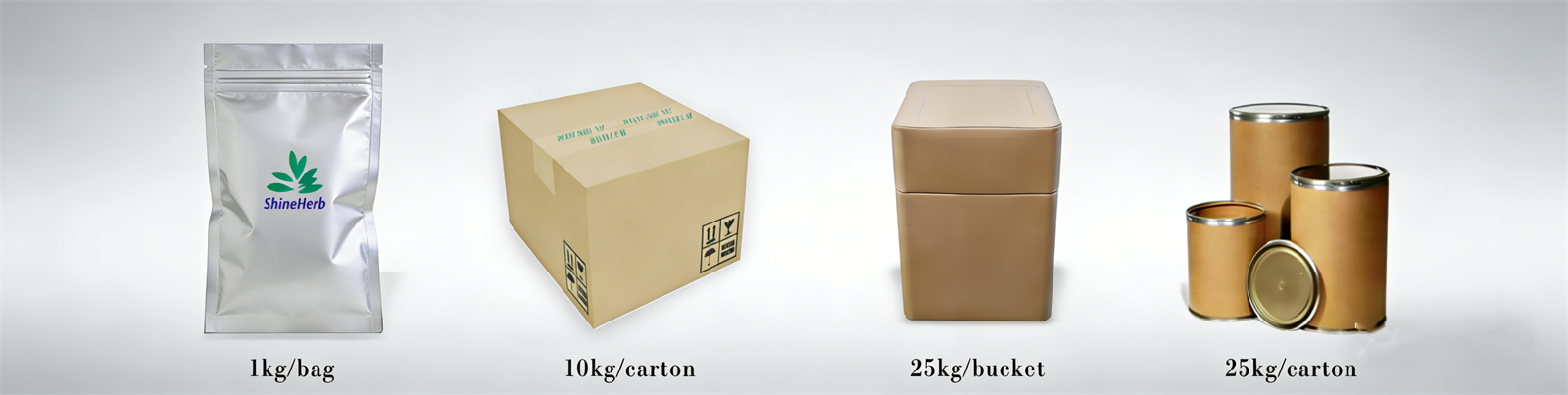
| Weight | Packing method |
| 1kg | bag/kg, box outside (double plastic bag + Aluminum foil bag inside) |
| 10kgs, 25kg or more | by Drums or carton (2 layers plastic bag inside) |
| Weight | Delivery method | Delivery time | Destination |
| 1kg-25kgs | EMS, DHL, UPS, Fedex | 3-7 days | Door to door |
| 25kgs-100kgs | DHL, FedEx, by Air | 3-7 days | Door to door (to Airport by Air) |
| more than 100kgs | by Air | 3-7 days | Door to Airport |
| by Sea | 10-35 days | Door to port |