Wholesale Lacticaseibacillus Rhamnosus Powder for Food Additives Manufacturers, Manufacturer

Product name:Lacticaseibacillus Rhamnosus Powder
Specification:400BCFU/g
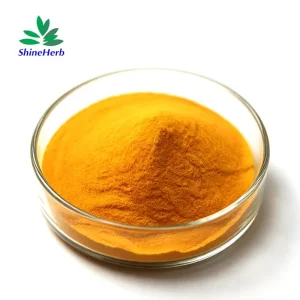
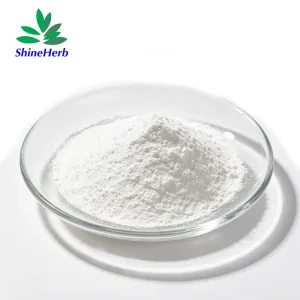
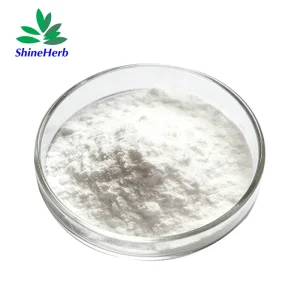
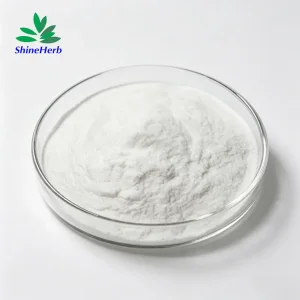
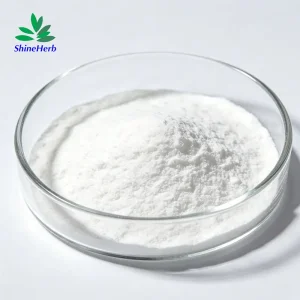
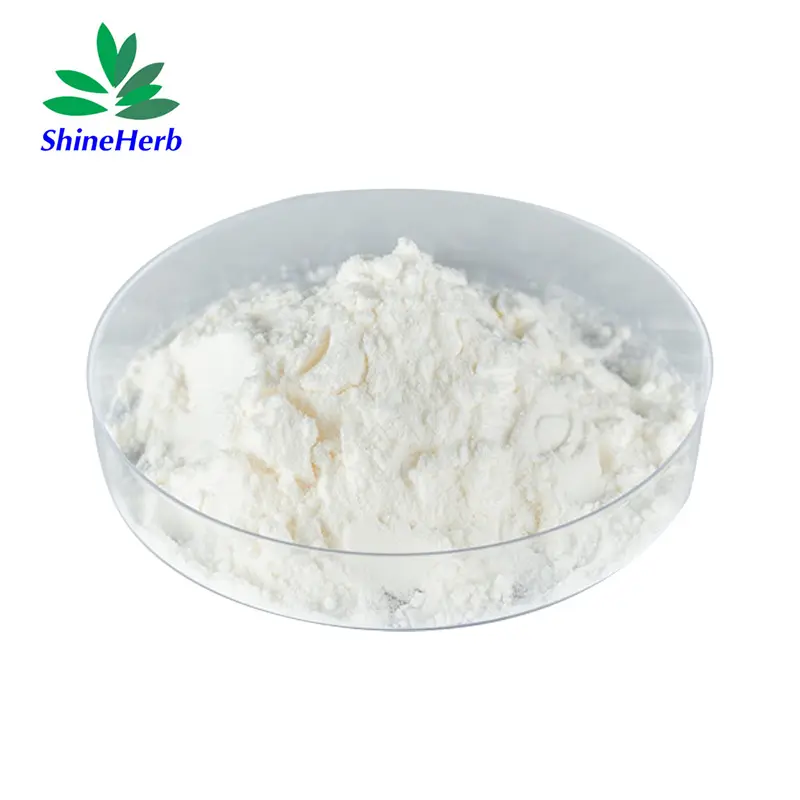
Apperance:Off  White Powder
Test method:HPLC/UV
Delivery : EXW,FOB,CFR,CIF,DAP,DDP
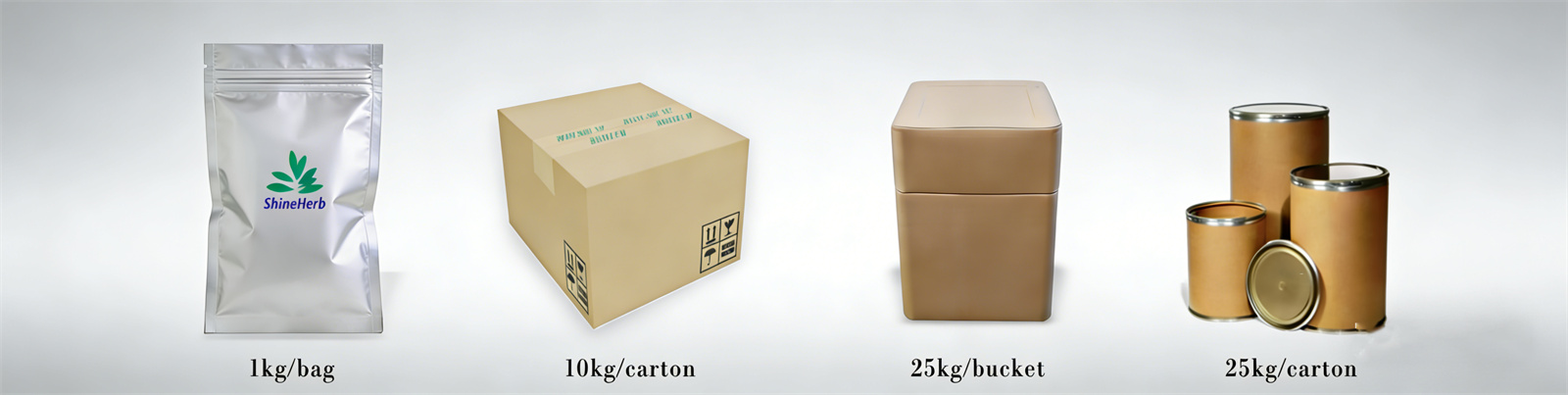
Packaging: 20 kgs/drum or customized packaging available
Payment :  T/T bank transfer, Western Union,PayPal
Shelf time:2 years,keep away sunlight, keep dry

Product Description

Product Description

Lactobacillus rhamnosus (re‑classified as Lacticaseibacillus rhamnosus) belongs to the genus Lactobacillus in bacterial taxonomy. It is an anaerobic, acid‑tolerant, non‑spore‑forming Gram‑positive probiotic commonly found in the intestinal tract of humans and animals. Our regular specification is 400B CFU/g, and custom grades are available to meet your formulation requirements.
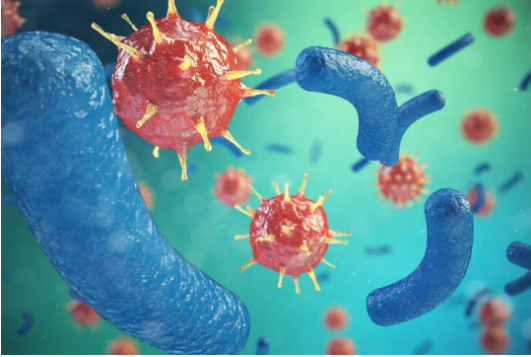
lactobacillus-rhamnosus-1

Lactobacillus rhamnosus cannot utilize lactose, but it can ferment a variety of monosaccharides such as glucose, arabinose and maltose. Most strains produce a small amount of soluble ammonia, yet do not generate indole or hydrogen sulfide. It exhibits biological properties including tolerance to acid, bile salts and multiple antibiotics.

Key Features

1. Acid & bile‑salt resistance: Survives gastric acid and bile salt environment, adheres and colonizes intestinal mucosa.
2. Gut micro‑ecology balance: Produces L‑lactic acid to lower intestinal local pH, inhibits certain harmful microbes and supports digestive comfort.
3. Immune support: Secretes bacteriocins and short‑chain metabolites to maintain intestinal mucosal barrier. Selected strains are GRAS / QPS‑qualified.
Storage Conditions

2-8℃ refrigeration; Long-term storage: -18℃ freezing. Keep tightly sealed, away from light, moisture and high temperature. The standard shelf life is 12-18 months.

Functions & Applications

lactobacillus-reuteri-3
Dietary supplements: Probiotic capsules, tablets, solid‑drink blends for gut and feminine‑microbiome support.
Food industry: Raw material for fermented dairy, probiotic beverages and functional food.
Animal feed: Probiotic additive for livestock and pet feed; micro‑ecology regulator for aquaculture.

Related Products

Taxonomy Specification
Bacillus coagulans20B CFU/g, 100B CFU/g
lactobacillus sake100B CFU/g
Lactobacillus acidophilus100B CFU/g
Lactobacillus helveticus400B CFU/g
Lactobacillus plantarum400B CFU/g
Lactobacillus fermentum100B CFU/g
Lactobacillus crispatus200B CFU/g
Bifidobacterium bifidum100B CFU/g
Lactobacillus rhamnosus400B CFU/g
Bifidobacterium breve100B CFU/g
Bifidobacterium lactis400B CFU/g
Bifidobacterium longum subsp. longum100B CFU/g
Streptococcus thermophilus50B~200B CFU/g
Bifidobacterium longum subsp. infantis150B CFU/g
Lactobacillus bulgaricus50B CFU/g
Lactobacillus gasseri100B CFU/g
Lactobacillus reuteri200B CFU/g
Lactobacillus salivarius200B CFU/g
Lactobacillus paracasei400B CFU/g
Lactobacillus casei400B CFU/g

Packing

Weight Packing method
1kg bag/kg, box outside (double plastic bag + Aluminum foil bag inside)
10kgs, 25kg or more by Drums or carton (2 layers plastic bag inside)
packaging

Delivery

Weight Delivery method Delivery time Destination
1kg-25kgs EMS, DHL, UPS, Fedex 3-7 days Door to door
25kgs-100kgs DHL, FedEx, by Air 3-7 days Door to door (to Airport by Air)
more than 100kgs by Air 3-7 days Door to Airport
by Sea 10-35 days Door to port

Logistics

Logistics

FAQ

Q1 Is the product compliant and safe?
The strain is GRAS and QPS certified, safe, non-toxic and side-effect free. It complies with international export standards and can be safely used in qualified food, dietary supplement and feed formulas.
Q2 Can you provide free samples and test documents?
Free samples are available for testing. We can provide complete documents including COA, MSDS and strain identification reports to support export and customer audit.
Q3 What are the storage conditions and shelf life?
Short-term storage: 2-8℃ refrigeration; Long-term storage: -18℃ freezing. Keep tightly sealed, away from light, moisture and high temperature. The standard shelf life is 12-18 months.
Q4 What is the standard specification of Lactobacillus rhamnosus?
Our standard regular specification is 400B CFU/g. Custom grades are also available to meet your formulation and manufacturing requirements.
Q5 What are the biological properties and fermentation capabilities of this strain?
Lactobacillus rhamnosus cannot utilize lactose, but it can ferment monosaccharides such as glucose, arabinose, and maltose. It features robust biological tolerance to gastric acids, bile salts, and multiple antibiotics.
Q6 In which fields can Lactobacillus rhamnosus be applied?
It is widely applied in dietary supplements (capsules, tablets, and solid drinks for gut and feminine support), the food industry (fermented dairy, probiotic beverages, and functional foods), and as a probiotic feed additive in livestock and aquaculture.

Related Products