 ShineHerb
1 / 2
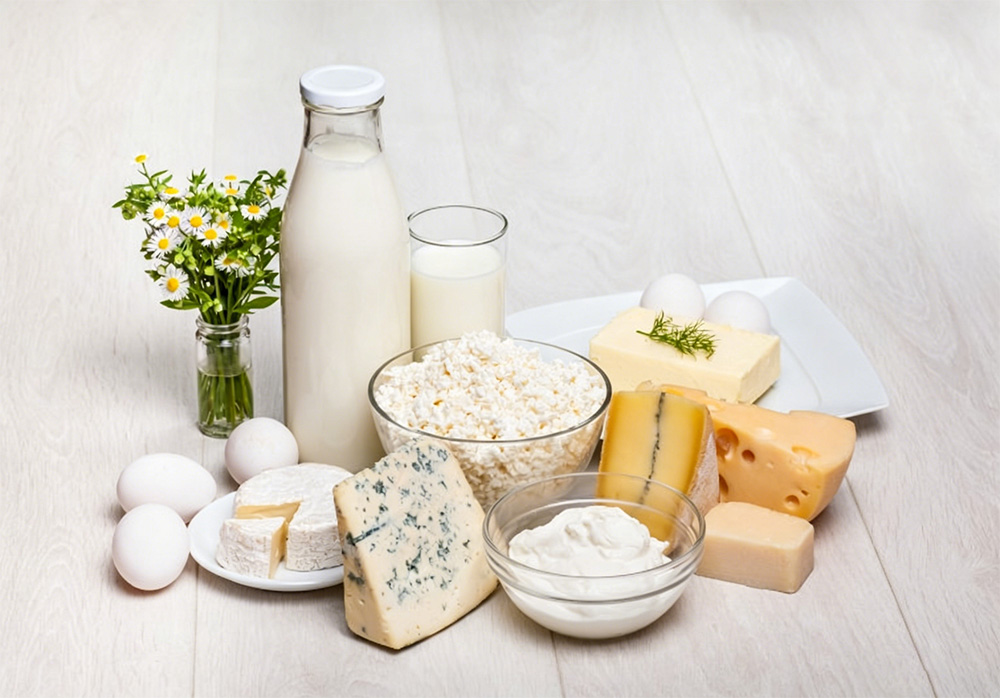
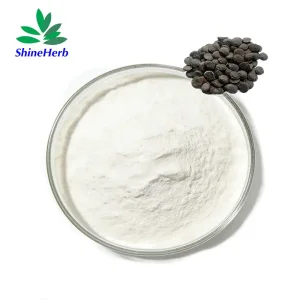
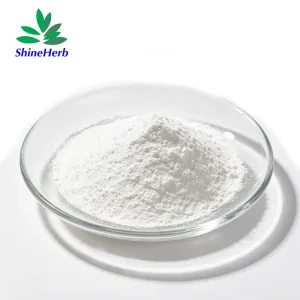
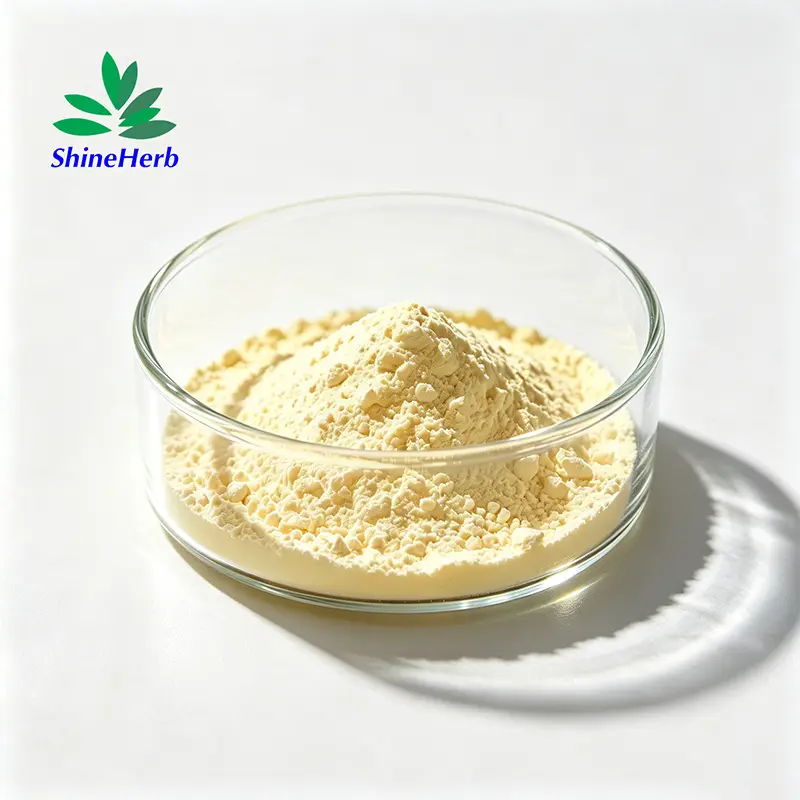
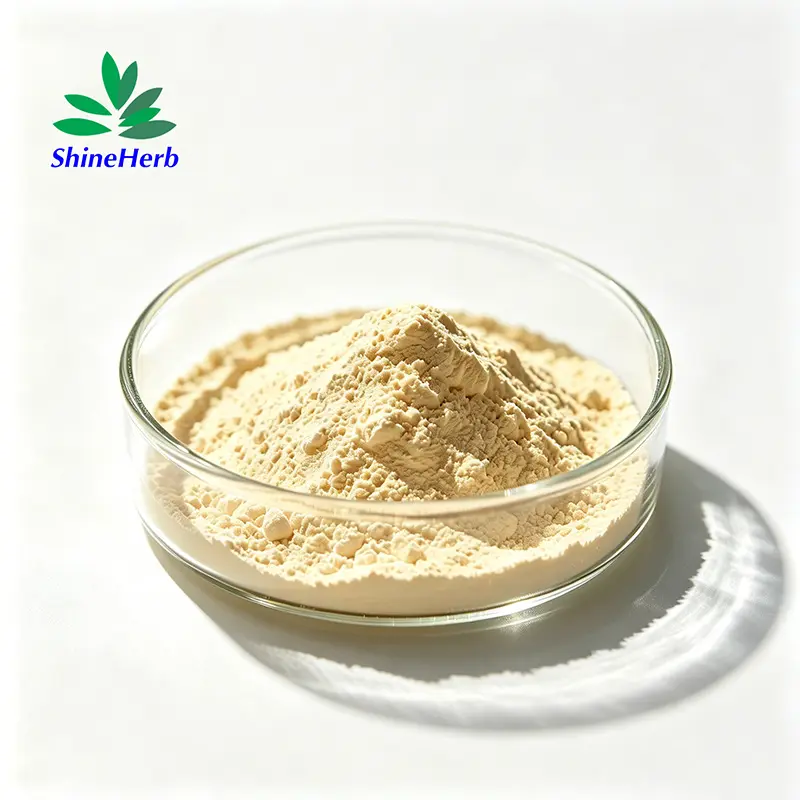
Natamycin is a natural broad-spectrum antifungal bio-preservative fermented from Streptomyces natalensis. It hardly gets absorbed by human bodies and boasts outstanding safety performance. It powerfully inhibits molds and yeasts with little effect on bacteria, widely used to stop food mold spoilage across dairy, bakery and meat industries.
| ANALYSIS | SPECIFICATION | RESULTS | Test method |
|---|---|---|---|
| Sensory requirements | |||
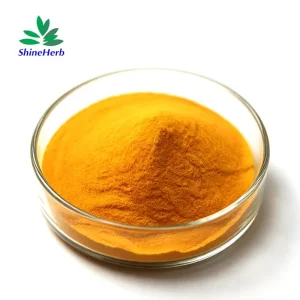
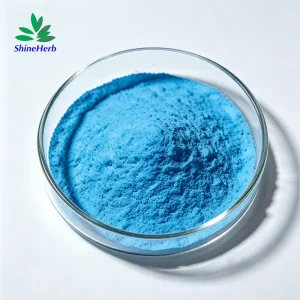
| Color | Blue-green or dark blue-green, uniform color | Complies | Visual |
| Taste and smell | No odor with a slight taste of seaweed | Complies | Visual |
| impurity | No normal visual acuity can see mildew, obvious debris | Complies | Visual |
| Appearance | Uniform powder, no clumping | Complies | Visual |
| Physical and chemical index | |||
| Loss on Drying,% | ≤7.0 | 6.12 | GB 50093-2010 |
| Ash,% | ≤8.0 | 6.97 | GB 50094-2010 |
| Protein,% | ≥60.0 | 64.50 | GB 5009.5-2010 |
| Total carotenoids,mg/100g | ≥150.0 | 370 | GB 5009.5-2010 |
| Heavy metals | |||
| Pb, mg/kg | ≤2.0 | 0.03 | GB 500912-2010 |
| As, mg/kg | ≤1.0 | 0.48 | GB/T5009.011-2003 |
| Hg, mg/kg | ≤0.05 | <0.01 | GB/T5009.17-2003 |
| pb, mg/kg | ≤0.1 | 0 | GB/T5009.15-2003 |
| Microbiology | |||
| Total Plate Count,cfu/g | ≤100000 | ≤7800 | GB 47892-2010 |
| Yeast & Moulds,cfu/g | ≤50 | ≤10 | GB 478915-2010 |
| E.Coli,mpn/g | ≤30 | ≤10 | GBT4789.03-2003 |
| Salmonella, per 25g | Negative | Negative | GB 47894-2010 |
| Weight | Packing method |
|---|---|
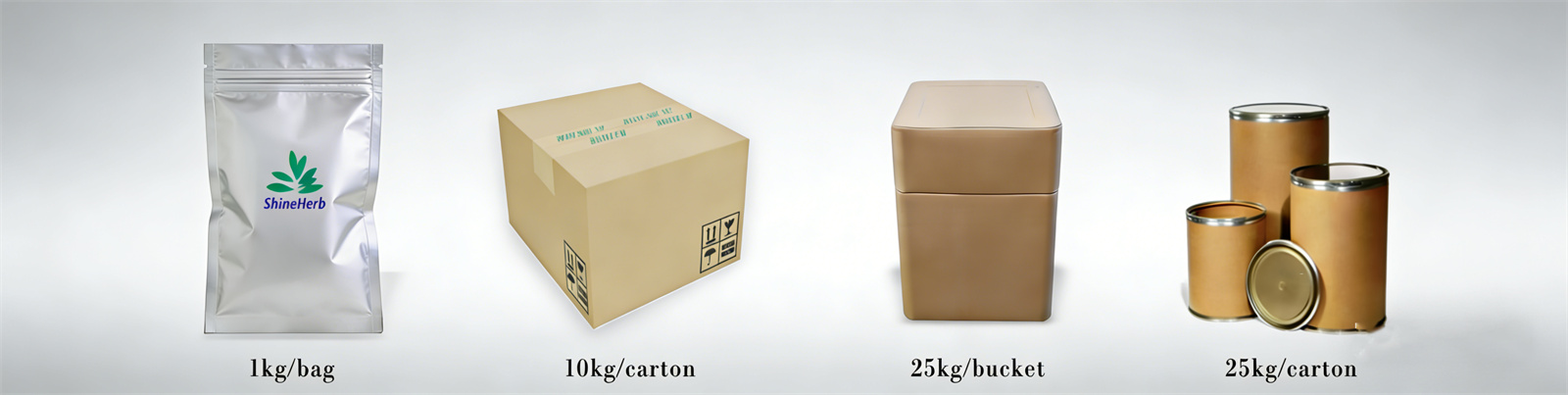
| 1kg | bag/kg, box outside (double plastic bag + Aluminum foil bag inside) |
| 10kgs, 25kg or more | by Drums or carton (2 layers plastic bag inside) |
| Weight | Delivery method | Delivery time | Destination |
|---|---|---|---|
| 1kg-25kgs | EMS, DHL, UPS, Fedex | 3-7 days | Door to door |
| 25kgs-100kgs | DHL, FedEx, by Air | 3-7 days | Door to door (to Airport by Air) |
| more than 100kgs | by Air | 3-7 days | Door to Airport |
| by Sea | 10-35 days | Door to port |

Q1: What is Natamycin and how is it produced?
A1: Natamycin is a natural, broad-spectrum antifungal bio-preservative. It is produced through a fermentation process utilizing the bacterium Streptomyces natalensis.
Q2: How does Natamycin ensure food safety?
A2: It target-inhibits the growth of yeasts and molds without affecting beneficial bacteria. Furthermore, it is not absorbed by the human body, passing through the digestive tract directly, which makes it safe with no residual accumulation risk.
Q3: In which food applications is Natamycin most effective?
A3: It is widely utilized across the food industry to protect dairy products (like cheese, cream, and yogurt), baked goods (such as mooncakes, bread, and pastries), and various meat products (like sausages and cured meats) from surface mold spoilage.
Q4: Is a high concentration of Natamycin required for effectiveness?
A4: No. Natamycin has a very low dosage requirement. A much smaller quantity is needed to prevent mold and yeast spoilage compared to standard synthetic preservatives, allowing manufacturers to manage cost efficiency effectively.
Q5: What packaging sizes are available for commercial supply?
A5: It is typically supplied in 1kg configurations (with double plastic and aluminum foil interior protection inside a solid exterior box) as well as larger bulks of 10kg, 25kg, or more packaged in sturdy drums or cartons.
Q6: What are the transit options and estimated delivery windows?
A6: For smaller orders under 25kg, express door-to-door services (like DHL, FedEx, UPS, or EMS) are used with a 3-7 day delivery timeframe. Larger shipments exceeding 100kg can be routed via air cargo (3-7 days to airport) or ocean freight (10-35 days to port) depending on requirements.