 ShineHerb
1 / 1
Streptococcus thermophilus is a Gram-positive, facultative anaerobic lactic acid bacterium belonging to the genus Streptococcus. It is widely found in the human intestinal tract, oral cavity and other sites as part of the human commensal microbiota. With GRAS (Generally Recognized As Safe) status, it is widely applied in the food industry and health-related sectors.
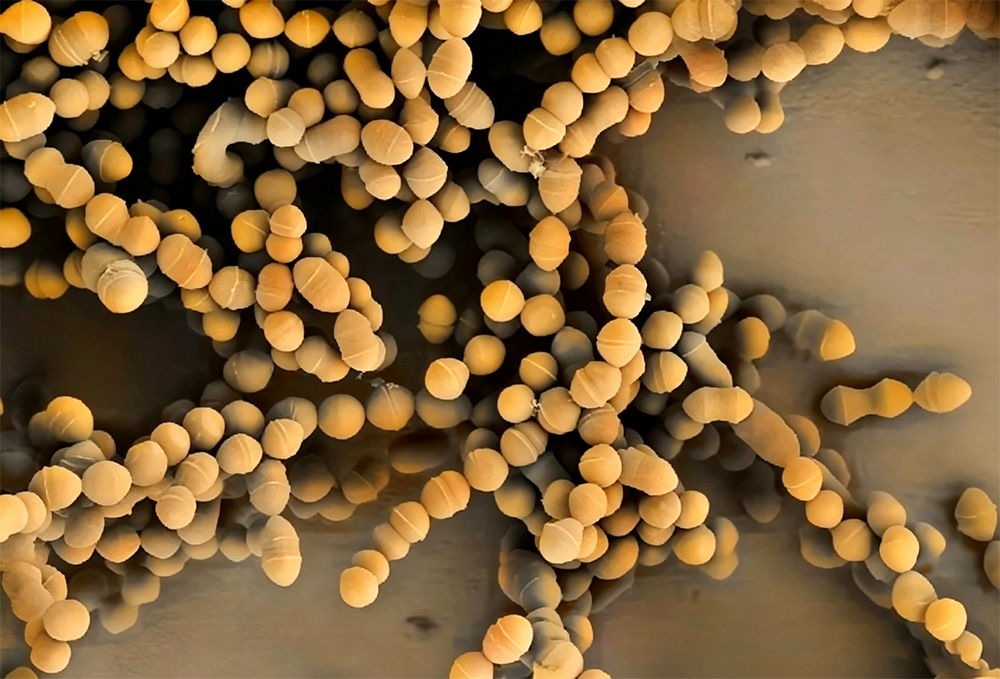
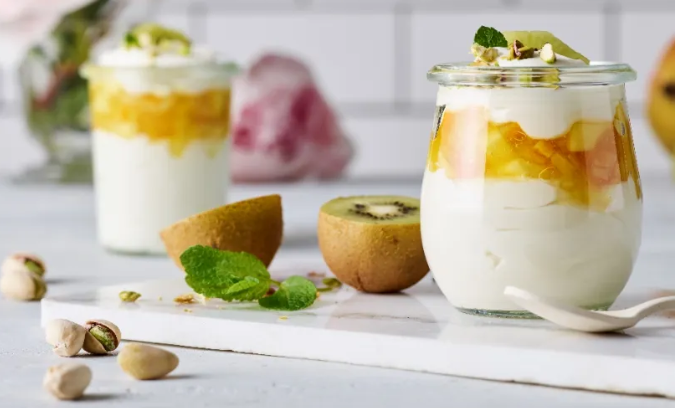
Dairy Fermentation: As a core starter culture, Streptococcus thermophilus is widely used in the production of yogurt, cheese, fermented milk and other dairy products.
Other Fermented Foods: Applied in fermented sausages, pickled vegetables and other fermented foods to improve flavor and inhibit the growth of harmful bacteria.
Food Additives: Exopolysaccharides (EPS) produced by Streptococcus thermophilus serve as natural, food-grade gelling agents. They are widely used to optimize physicochemical properties and sensory texture of dairy products, fermented beverages, cheese and fermented bread.
Gut Health Support: As a probiotic, Streptococcus thermophilus is incorporated into functional foods and health supplements to alleviate lactose intolerance and support metabolic and immune functions.
| Taxonomy | Specification |
|---|---|
| Bacillus coagulans | 20B CFU/g, 100B CFU/g |
| Lactobacillus sake | 100B CFU/g |
| Lactobacillus acidophilus | 100B CFU/g |
| Lactobacillus helveticus | 400B CFU/g |
| Lactobacillus plantarum | 400B CFU/g |
| Lactobacillus fermentum | 100B CFU/g |
| Lactobacillus crispatus | 200B CFU/g |
| Bifidobacterium bifidum | 100B CFU/g |
| Lactobacillus rhamnosus | 400B CFU/g |
| Bifidobacterium breve | 100B CFU/g |
| Bifidobacterium lactis | 400B CFU/g |
| Bifidobacterium longum subsp. longum | 100B CFU/g |
| Streptococcus thermophilus | 50B~200B CFU/g |
| Bifidobacterium longum subsp. infantis | 150B CFU/g |
| Lactobacillus bulgaricus | 50B CFU/g |
| Lactobacillus gasseri | 100B CFU/g |
| Lactobacillus reuteri | 200B CFU/g |
| Lactobacillus salivarius | 200B CFU/g |
| Lactobacillus paracasei | 400B CFU/g |
| Lactobacillus casei | 400B CFU/g |
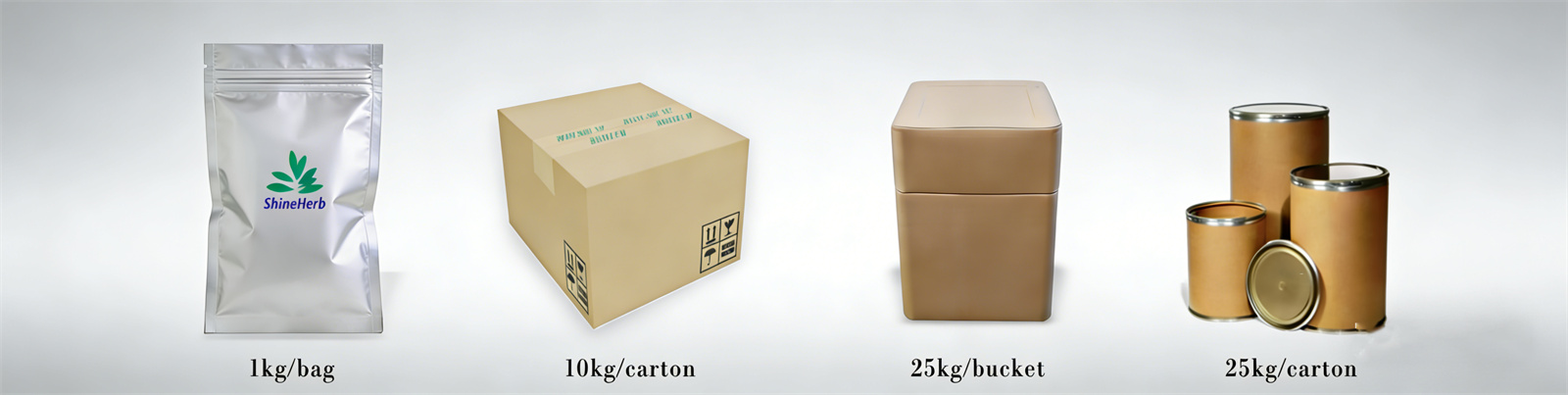
| Weight | Packing Method |
|---|---|
| 1kg | bag/kg, box outside (double plastic bag + Aluminum foil bag inside) |
| 10kgs, 25kg or more | by Drums or carton (2 layers plastic bag inside) |
| Weight | Delivery Method | Delivery Time | Destination |
|---|---|---|---|
| 1kg-25kgs | EMS, DHL, UPS, Fedex | 3-7 days | Door to door |
| 25kgs-100kgs | DHL, FedEx, by Air | 3-7 days | Door to door (to Airport by Air) |
| More than 100kgs | by Air | 3-7 days | Door to Airport |
| by Sea | 10-35 days | Door to port |

Regular in-stock specifications: 100B CFU/g. Custom viable counts, micro-encapsulation and OEM services are available according to your formula requirements.
Free samples are available for testing. We can provide complete documents including COA, MSDS and strain identification reports to support export and customer audit.
Short-term storage: 2-8℃ refrigeration; Long-term storage: -18℃ freezing. Keep tightly sealed, away from light, moisture and high temperature. The standard shelf life is 12-18 months.
Streptococcus thermophilus is a Gram-positive, facultative anaerobic lactic acid bacterium. It is naturally part of the human commensal microbiota, commonly found in the oral cavity and intestinal tract.
It is a core starter culture for fermenting dairy products like yogurt and cheese, and is used in other fermented foods like sausages and pickles. Additionally, it produces exopolysaccharides (EPS) which act as food-grade gelling agents to improve texture.
Yes, Streptococcus thermophilus holds GRAS (Generally Recognized As Safe) status and is EFSA QPS qualified, confirming its safety for long-term use in fermented food and dietary supplements.