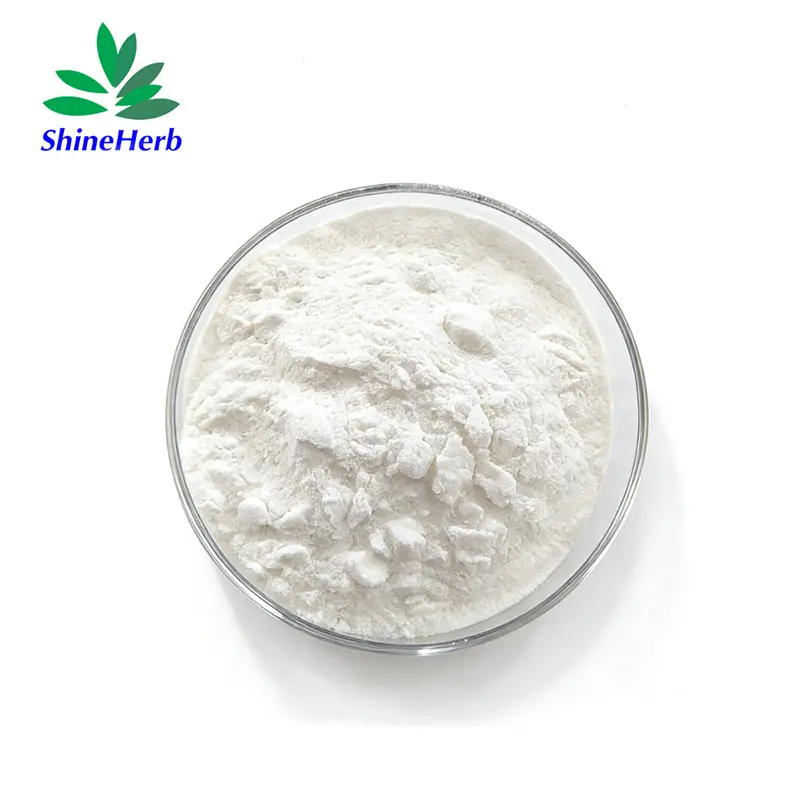
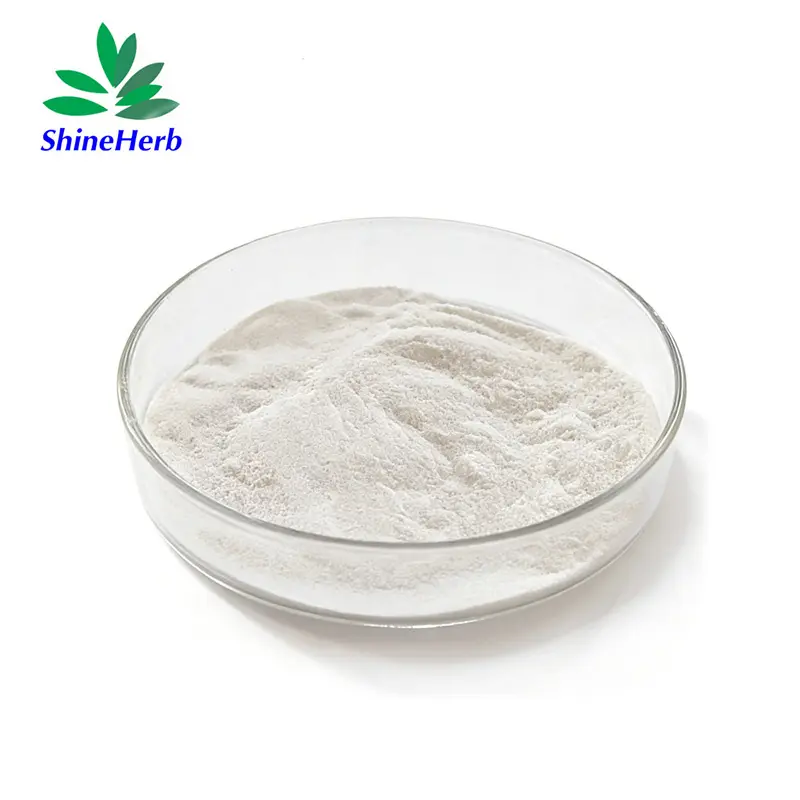
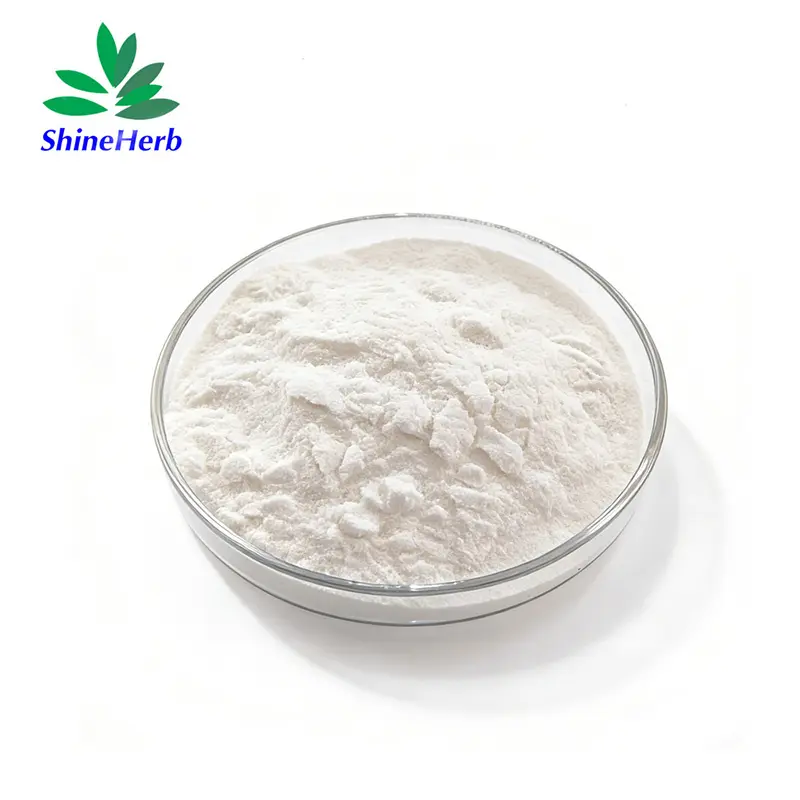
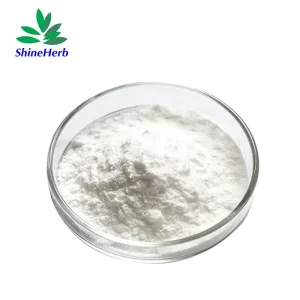
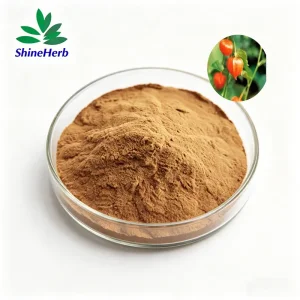
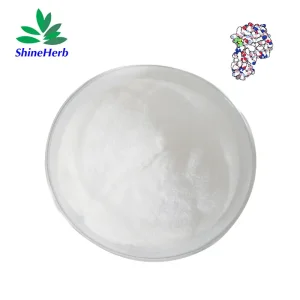
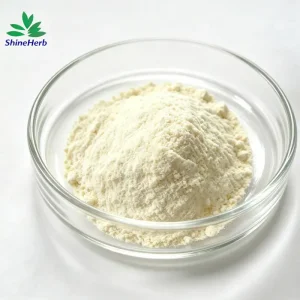
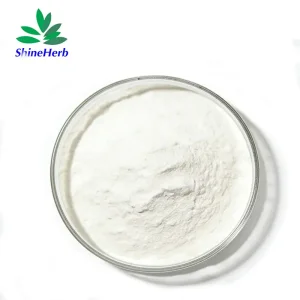
Lactase, also known as β-galactosidase, is derived from Aspergillus oryzae. It is a food-grade enzyme produced through submerged fermentation. Lactase hydrolyzes lactose into glucose and galactose, thereby improving the digestibility of dairy products and enhancing nutrient absorption.
Lactase is available in both powder and liquid forms with different enzyme activity levels. The powder specifications range from 50,000 ALU/g to 160,000 ALU/g, while the liquid form is available at 20,000 ALU/g, allowing flexible application in various production processes.
⭐ Lactase with enzyme activity above 100,000 ALU/g features high concentration and good stability, making it widely suitable for enzyme-based dietary supplements such as capsules, tablets, and drops.
The Lactase from Aspergillus oryzae has a high activity at low pH (pH 3.5–5.5), making it particularly suitable for digesting lactose in acid conditions, and it's therefore ideal for use in dietary supplements as a digestive aid.
The dose of fungal lactase depends on the amount of lactose and the size of meal consumed. One general guideline is 2,500 ALU per 10–13g of lactose consumed. We recommend a dose of 4,000–6,000 ALU with each lactose-containing meal.
🥛 1. Food Processing
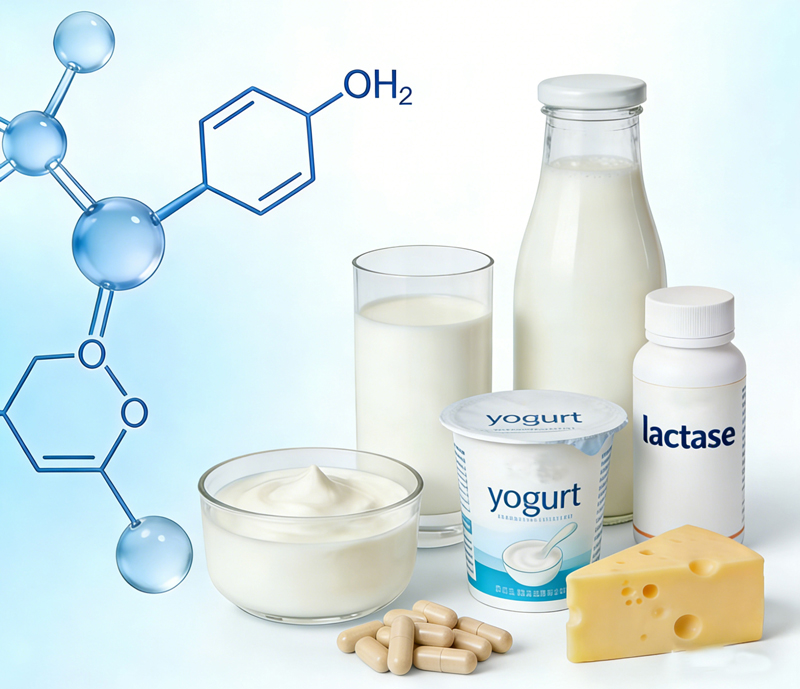
Used in dairy products such as milk, yogurt, cheese, and milk powder to produce low-lactose products, improve taste, and meet the needs of lactose-intolerant consumers. Also applied in food improvement and GOS (prebiotic) production for functional foods.
💊 2. Health & Pharmaceutical
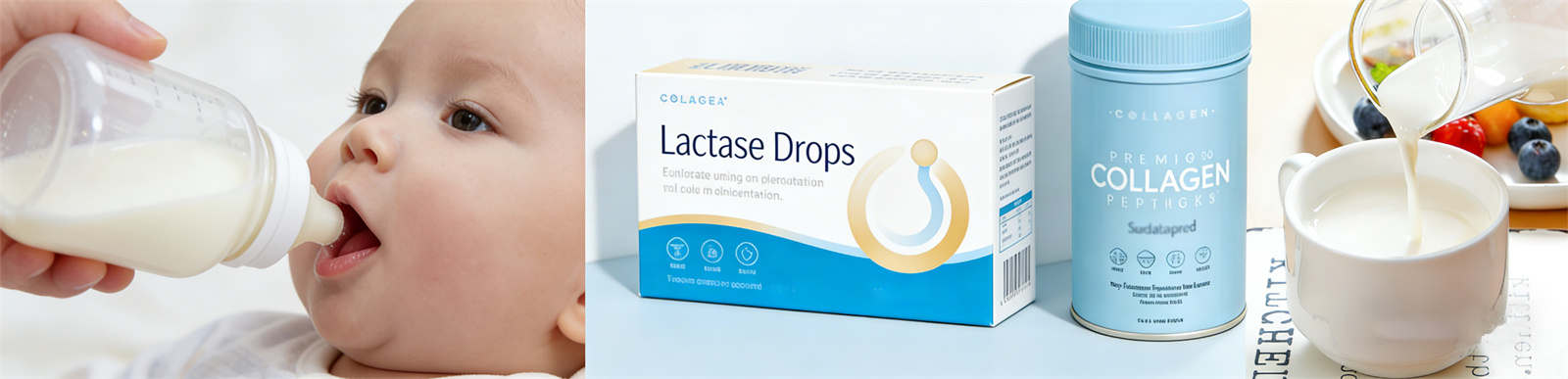
Used as a dietary supplement to compensate for insufficient lactase activity in the human intestine. It helps relieve symptoms of lactose intolerance such as bloating and diarrhea, and is suitable for various groups including pregnant women, breastfeeding women, and infants.
🏭 3. Industrial Use
Used in large-scale dairy processing to improve efficiency, reduce waste, and lower production costs.
❓
Frequently Asked Questions (FAQ)
QWhat is Lactase and what is it used for?
Lactase (β-galactosidase) is a food-grade enzyme derived from Aspergillus oryzae that breaks down lactose into glucose and galactose. It is widely used in dairy food processing, dietary supplements, and pharmaceutical applications to help people with lactose intolerance digest dairy products more comfortably.
QWhat enzyme activity levels are available for this Lactase?
This Lactase is available in powder form with activity levels ranging from 50,000 ALU/g to 160,000 ALU/g, and in liquid form at 20,000 ALU/g. High-activity grades (above 100,000 ALU/g) are especially suitable for capsules, tablets, and drops.
QWhat is the recommended dosage of Lactase for dietary supplement use?
The recommended guideline is 2,500 ALU per 10–13g of lactose consumed. For general use, a dose of 4,000–6,000 ALU is recommended with each lactose-containing meal. The exact dose may vary depending on the lactose content and meal size.
QWhat pH range is this Lactase active in?
This fungal Lactase from Aspergillus oryzae exhibits high activity at low pH (pH 3.5–5.5), making it particularly effective for digesting lactose under acidic conditions, which is ideal for digestive supplement formulations.
QHow is Lactase packaged and stored?
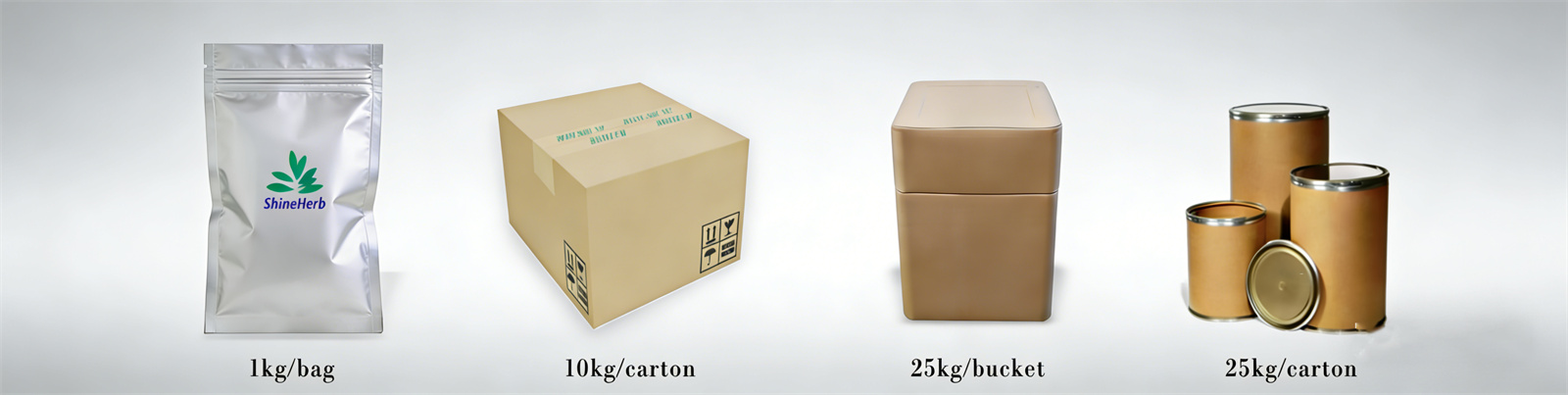
Lactase is packaged in 1 kg bags (with double plastic bag + aluminum foil bag inside a box) or in 10 kg/25 kg drums or cartons (with 2 layers of plastic bag inside) for larger quantities. It should be stored in a cool, dry place away from direct sunlight to maintain enzyme activity.
QWhat are the available shipping options and delivery times?
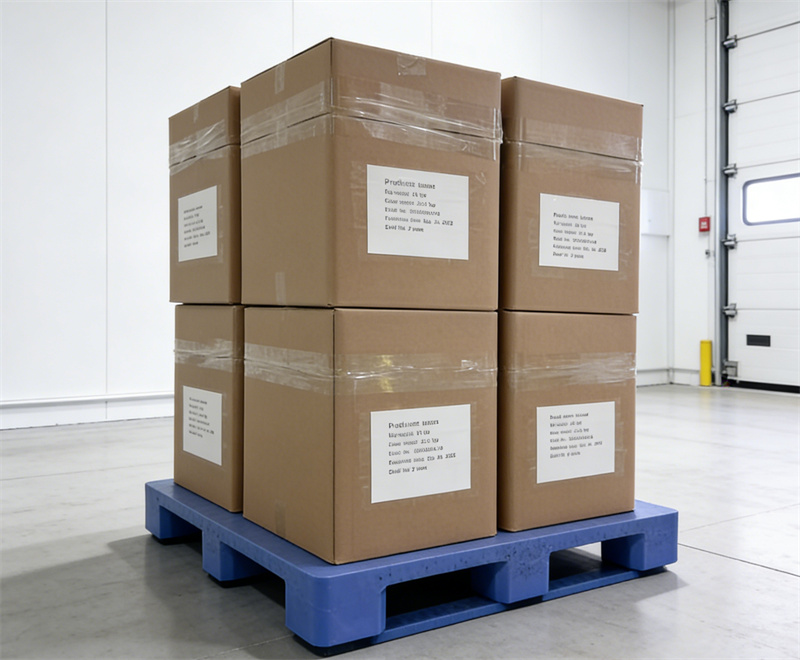
For orders of 1–25 kgs, express courier services (EMS, DHL, UPS, FedEx) are available with a delivery time of 3–7 days door-to-door. For larger orders over 100 kgs, air freight (3–7 days) or sea freight (10–35 days) options are available depending on destination requirements.
 ShineHerb