 ShineHerb
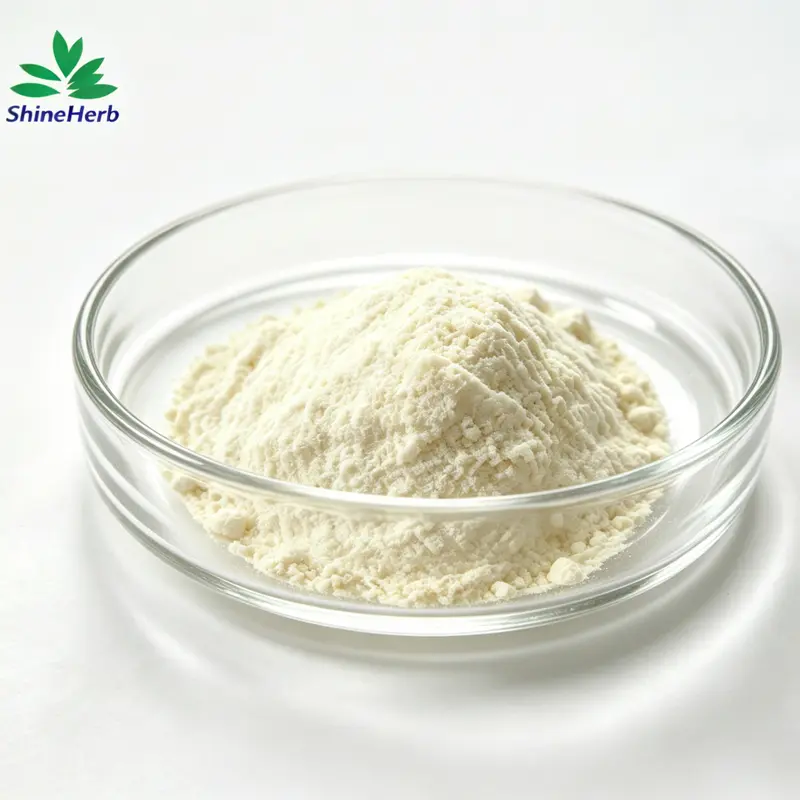
1 / 3
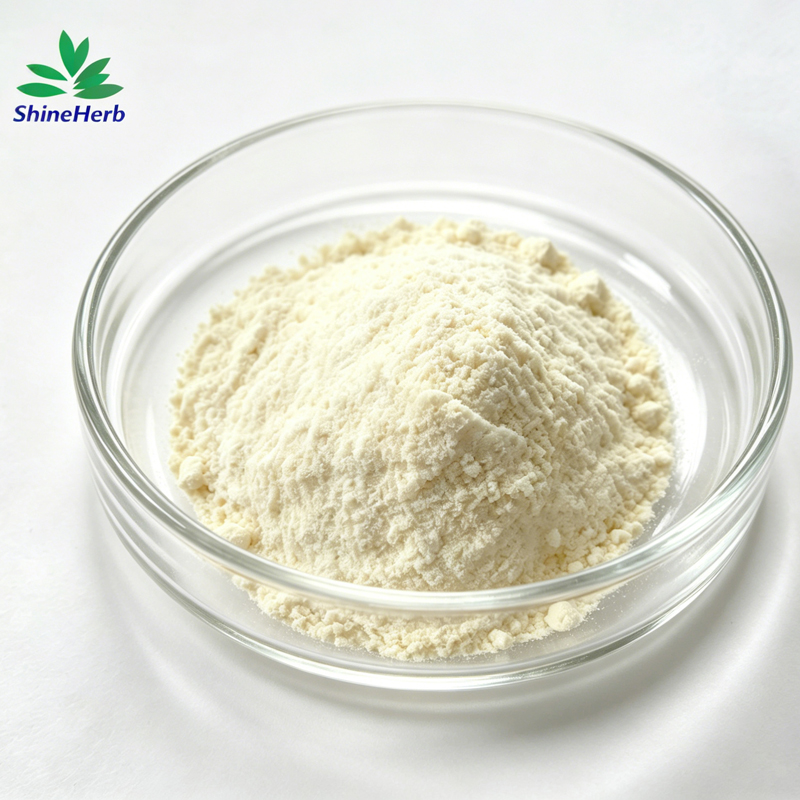
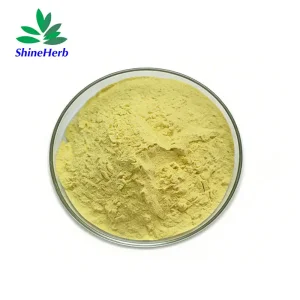
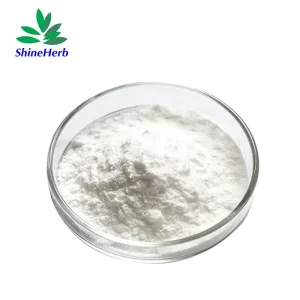
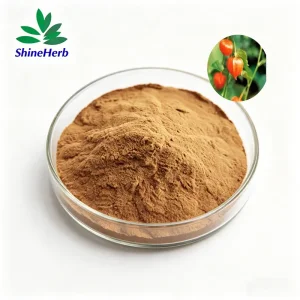
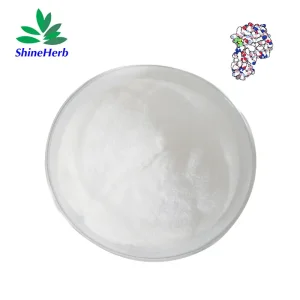
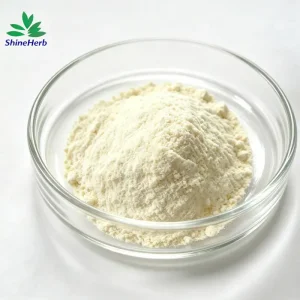
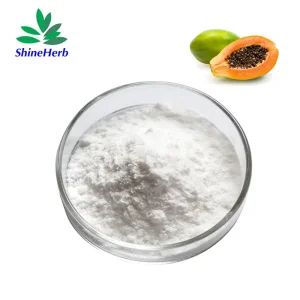
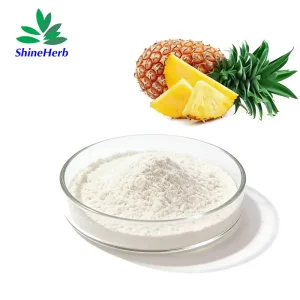
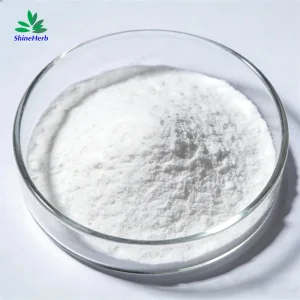
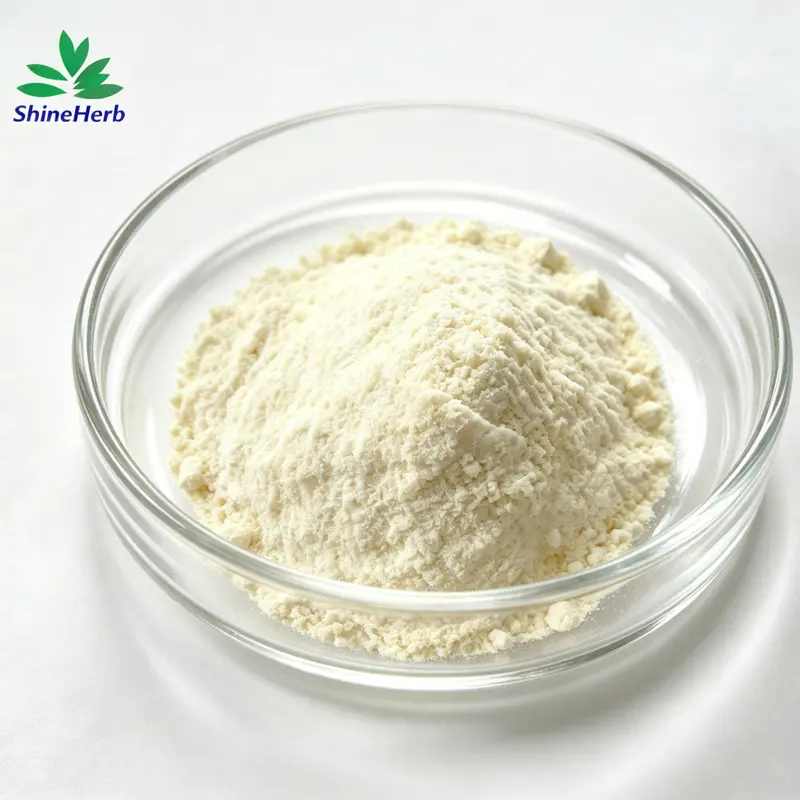
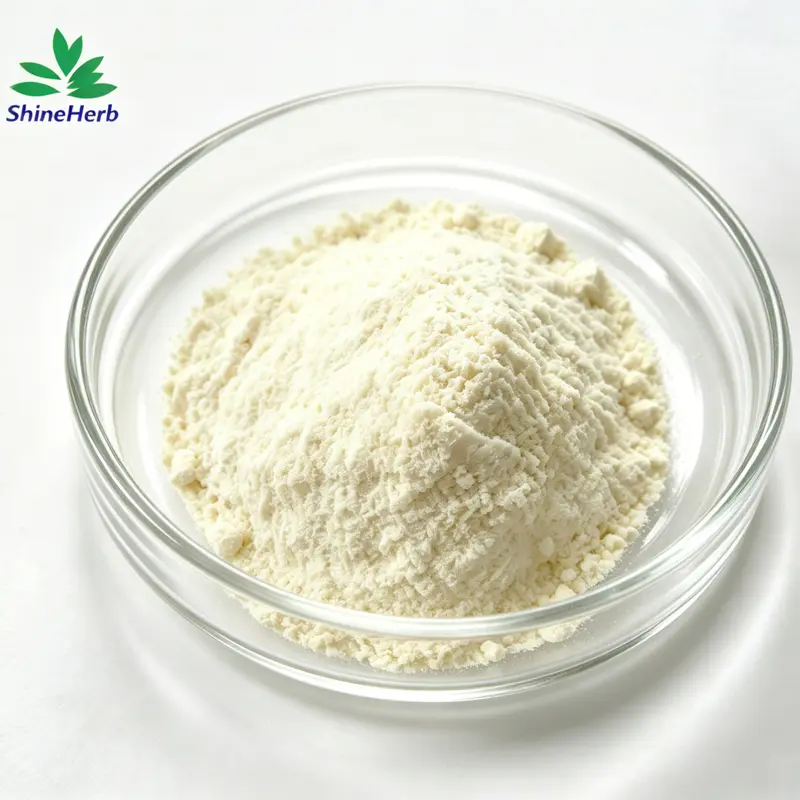
| Appearance | Fine Powder | Conforms | NLS-QCS-1008 |
| Color | Yellow white-off white | Conforms | GB/T 5492-2008 |
| Odor | Characteristic | Conforms | GB/T 5492-2008 |
| Taste | Characteristic | Conforms | GB/T 5492-2008 |
| Part Used | Seeds | Conforms | / |
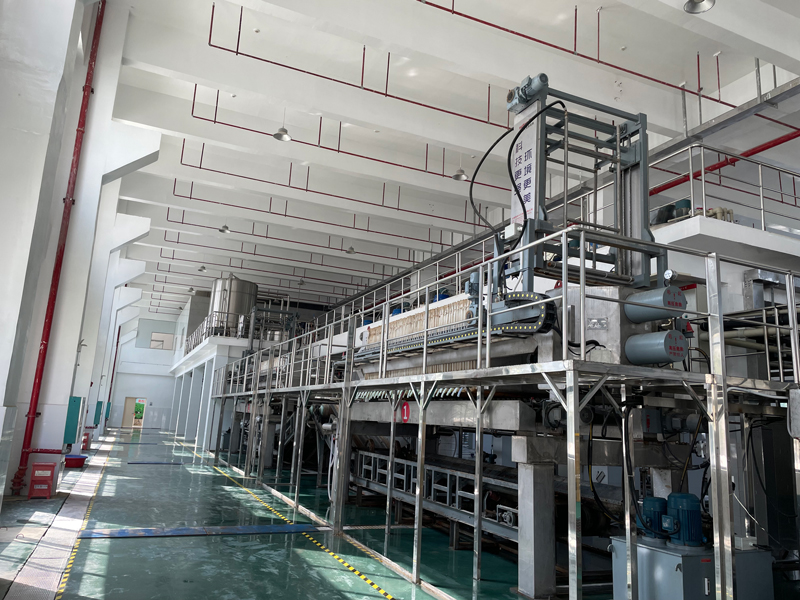
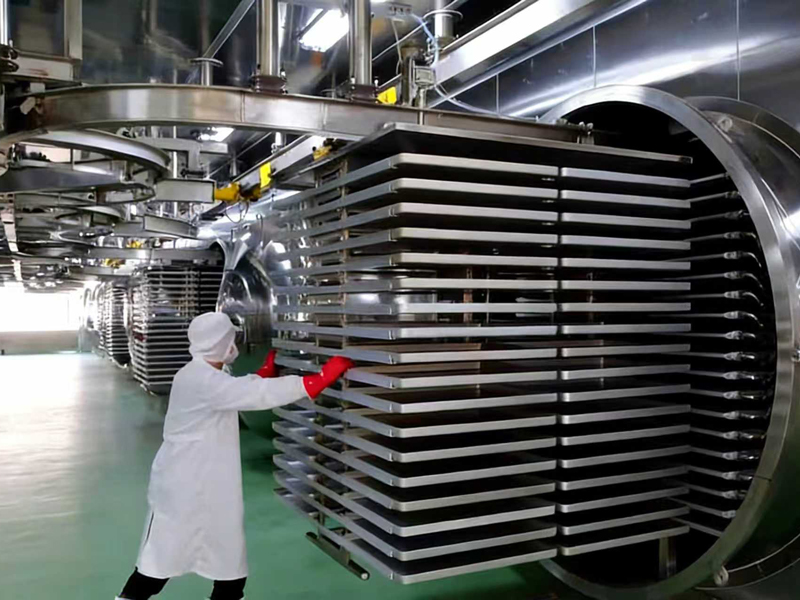
| Drying Method | Freeze drying | Conforms | / |
| Physical Characteristics | |||
| Particle Size (80 mesh) | NLT 95% through 80 mesh | Conform | GB/T 5507-2008 |
| Moisture | <5.0% | 3.8% | GB/T 14769-1993 |
| Ash Content | <5.0% | 2.6% | AOAC 942.05, 18th |
| Solvent Residue | Eur Pharm | Conform | NLS-QCS-1007 |
| Heavy Metals | |||
| Total Heavy Metals | <10ppm | Conform | USP <231>, method II |
| As | <2.0ppm | Conform | AOAC 986.15, 18th |
| Pb | <2.0ppm | Conform | AOAC 986.15, 18th |
| Cd | <0.5ppm | Conform | AOAC 986.15, 18th |
| Hg | <0.5ppm | Conform | AOAC 971.21, 18th |
| Pesticide Residue | |||
| 666 | <0.2ppm | Conform | GB/T5009.19-1996 |
| DDT | <0.2ppm | Conform | GB/T5009.19-1996 |
| Microbiological Tests | |||
| Total Plate Count | <1,000cfu/g | Conform | AOAC 990.12, 18th |
| Total Yeast & Mold | <100cfu/g | Conform | FDA (BAM) Chapter 18, 8th Ed. |
| E. Coli | Negative | Negative | AOAC 997.11, 18th |
| Salmonella | Negative | Negative | FDA (BAM) Chapter 5, 8th Ed. |
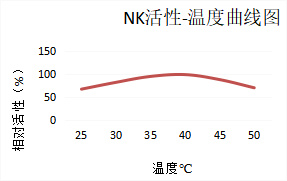
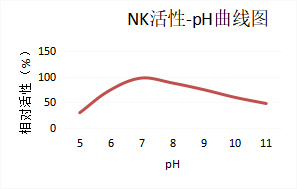
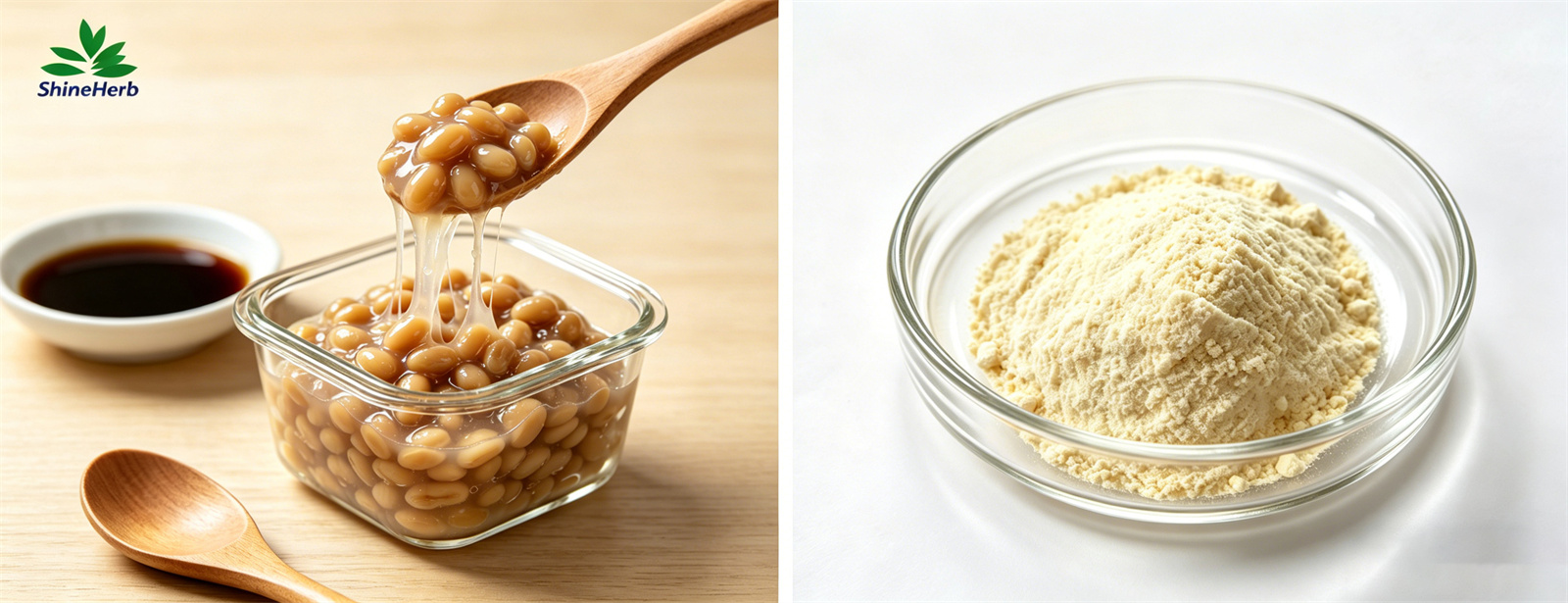

❄️ Keep in a cool, dry and dark place. Storage temperature: below 0°C.
⚠️ Prolonged or improper storage may reduce enzyme activity. If exposed to high temperature or humidity, an appropriate increase in dosage is recommended.
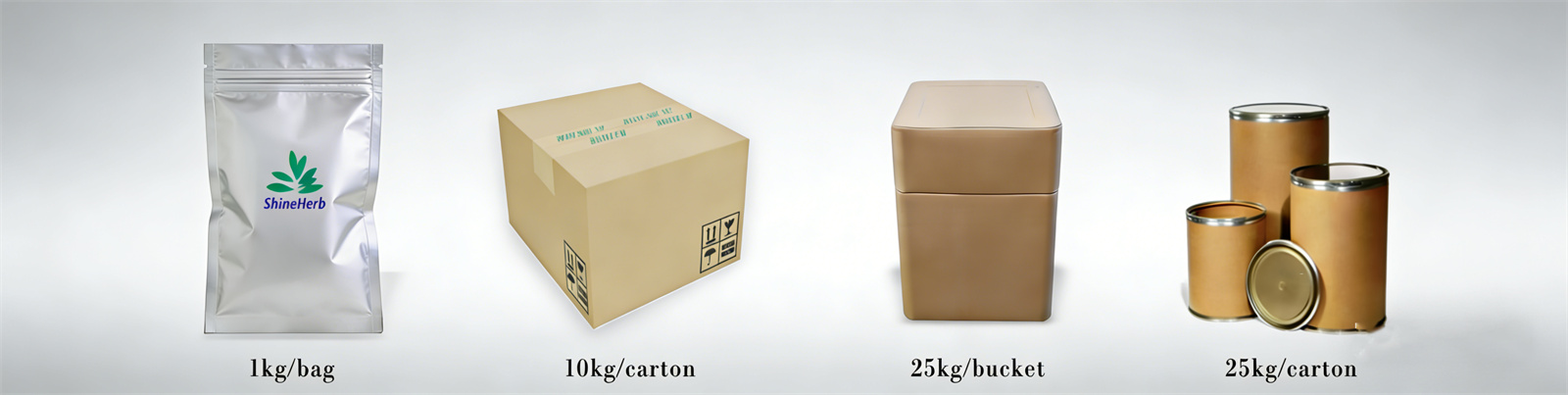
| Weight | Packing Method |
| 1kg | Bag/kg, box outside (double plastic bag + aluminum foil bag inside) |
| 10kgs, 25kg or more | By drums or carton (2 layers plastic bag inside) |
| Weight | Delivery Method | Delivery Time | Destination |
| 1kg – 25kgs | EMS, DHL, UPS, FedEx | 3–7 days | Door to door |
| 25kgs – 100kgs | DHL, FedEx, by Air | 3–7 days | Door to door (to Airport by Air) |
| More than 100kgs | By Air | 3–7 days | Door to Airport |
| By Sea | 10–35 days | Door to port |