Home >
Hot Products >
Best Food Grade Lactase Enzyme Powder - China Suppliers and Factory for High-Quality Enzyme Solutions Supplier, Companies
1 / 3
Best Food Grade Lactase Enzyme Powder - China Suppliers and Factory for High-Quality Enzyme Solutions Supplier, Companies
,
, ,
,
Product Name
,
Lactase Enzyme, β-galactosidase Acid
,
,
,
Plant Sources
,
Aspergillus Oryzae
,
,
,
Appearance
,
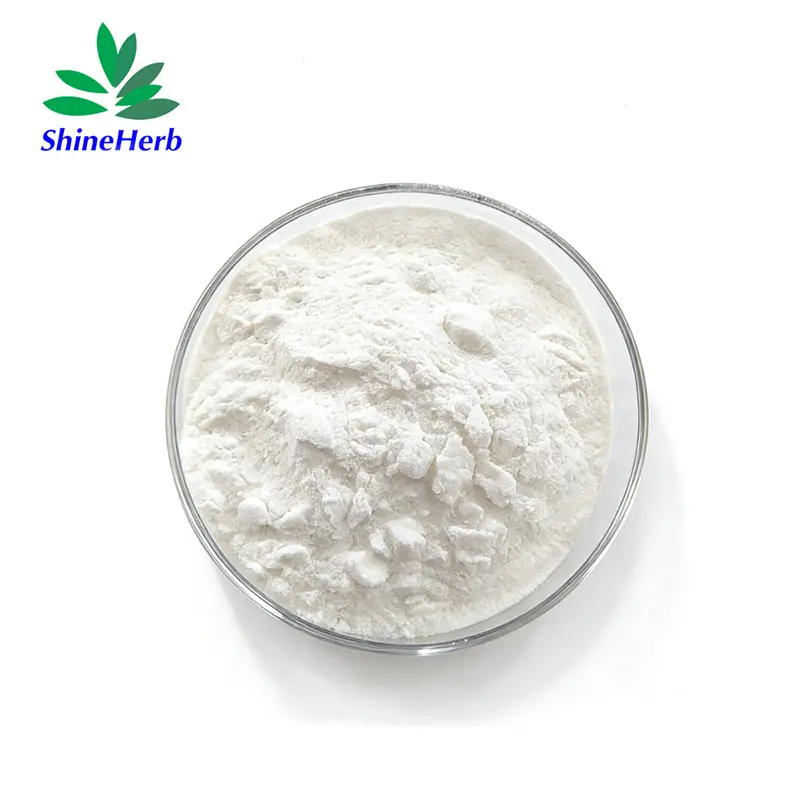
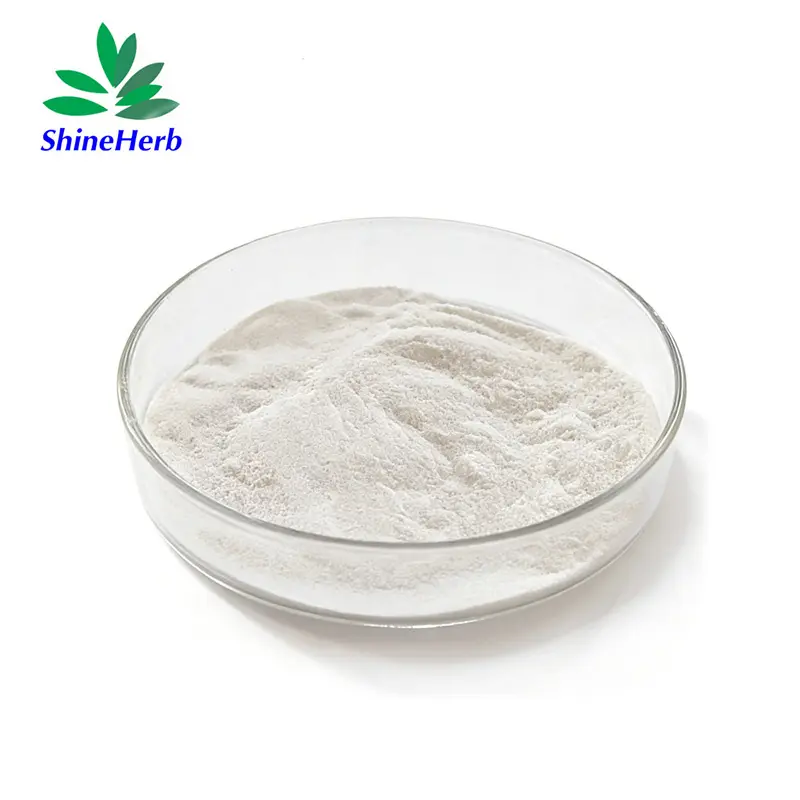
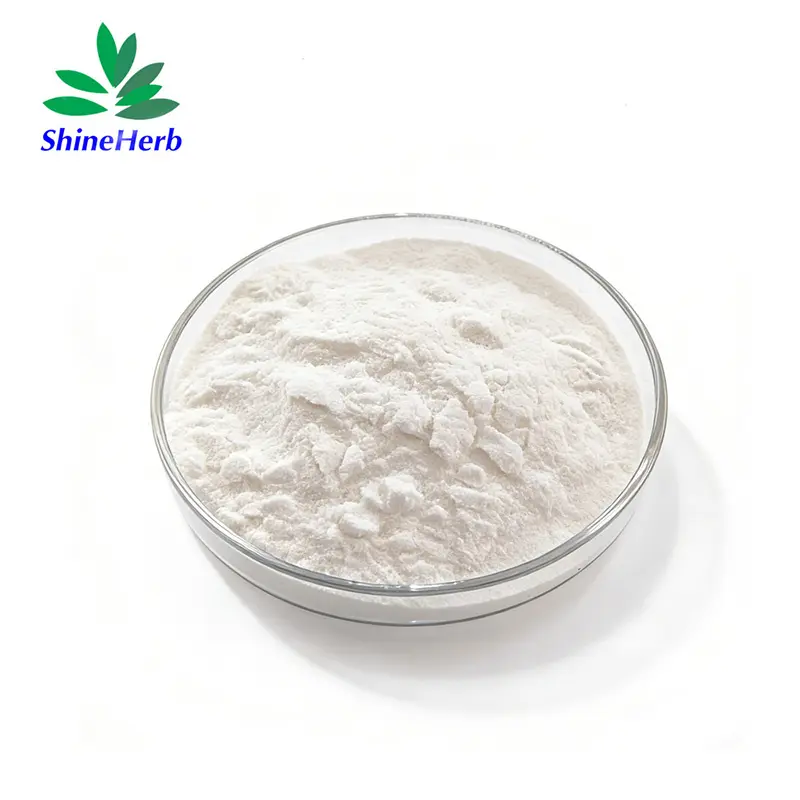
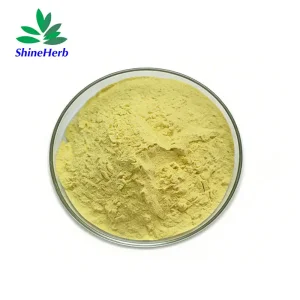
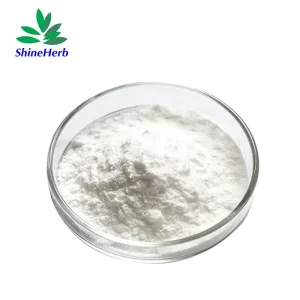
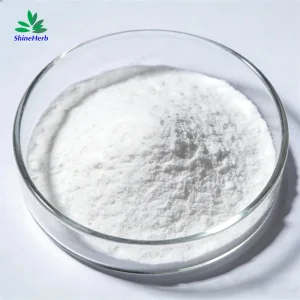
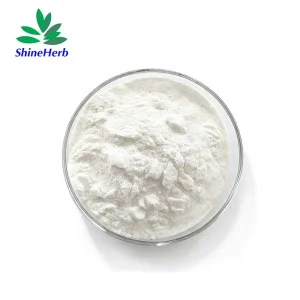
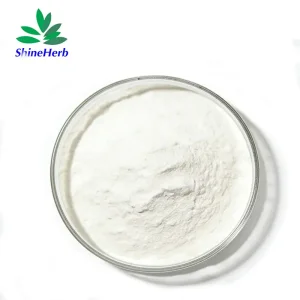
White Powder
,
,
,
Specification
,
,
Powder: 50,000 ALU/g - 160,000 ALU/g
,
Liquid: 20,000 ALU/g
,
Available in acidic and neutral lactase varieties
,
,
,
,
Temperature Range
,
5°C - 65°C
,
,
,
pH Range
,
Effective pH 3.0 - 8.0
,
,
,
Shelf Life
,
2 years; store in a dry place away from sunlight
,
,
,
Free Sample
,
Available
,
, ,
,
, Lactase Enzyme, or β-galactosidase Acid, is a highly effective product sourced from the robust Aspergillus Oryzae, renowned among China suppliers and factories. Our lactase enzyme is available in both powder and liquid forms, ensuring versatility for various applications. With a wide temperature range of 5°C to 65°C and an optimal pH range of 3.0 to 8.0, this enzyme is ideal for enhancing digestion by breaking down lactose, Our specifications include powder forms ranging from 50,000 ALU/g to 160,000 ALU/g, along with a liquid option at 20,000 ALU/g. For your convenience, we provide free samples, allowing you to experience the quality of our product before you purchase. With a shelf life of 2 years when stored properly, our lactase enzyme is a dependable choice for your enzyme needs. Partner with a trusted China supplier to improve your product offerings with our high-quality lactase enzyme
Lactase, also known as β-galactosidase, is derived from Aspergillus oryzae. It is a food-grade enzyme produced through submerged fermentation. Lactase hydrolyzes lactose into glucose and galactose, thereby improving the digestibility of dairy products and enhancing nutrient absorption.
🧪 Available Forms & Activity Levels:
Lactase is available in both powder and liquid forms with different enzyme activity levels. The powder specifications range from 50,000 ALU/g to 160,000 ALU/g, while the liquid form is available at 20,000 ALU/g, allowing flexible application in various production processes.
Lactase with enzyme activity above 100,000 ALU/g features high concentration and good stability, making it widely suitable for enzyme-based dietary supplements such as capsules, tablets, and drops.
Certificate of Analysis
Product Name
Lactase
Part Plant
FERMENTATION (Aspergillus oryzae)
Origin
CHINA
Manufacturer Date
Jan. 2, 2026
Batch No.
SH260102L16
Expire Date
Jan. 1, 2028
TERMS OF ANALYSIS
SPECIFICATIONS
RESULT
Physical Data
Appearance
White Powder
Conform
Activity of Enzyme
160,000 ALU/g min
169,100 ALU/g
Loss on Drying (%w/w)
≤8.0
3.40%
Arsenic
Not more than 2mg/kg
<2.0mg/kg
Lead
Not more than 2mg/kg
<2.0mg/kg
Microbiology
Total Plate Count
≤10,000 cfu/g
100 cfu/g
Escherichia Coli
<10 cfu/g
<1 cfu/g
Coliform
Not detected in 25g
Conform
Yeasts/Moulds
<100 cfu/g
<10 cfu/g
Salmonella
Not detected in 25g
Conform
Enzyme Activity Definition: One lactase unit is defined as the quantity of enzyme that will liberate o-nitrophenol at a rate of 1µmol per minute under the condition of hydrolyze oNPG at 37ºC and pH 4.5.
Function / Application
The Lactase from Aspergillus oryzae has a high activity at low pH (pH 3.5–5.5), making it particularly suitable for digesting lactose in acid conditions, and is therefore ideal for use in dietary supplements as a digestive aid.
💊 Recommended Dosage:
The dose of fungal lactase depends on the amount of lactose and the size of meal consumed. One general guideline is 2,500 ALU per 10–13g of lactose consumed. We recommend a dose of 4,000–6,000 ALU with each lactose-containing meal.
🥛 1. Food Processing
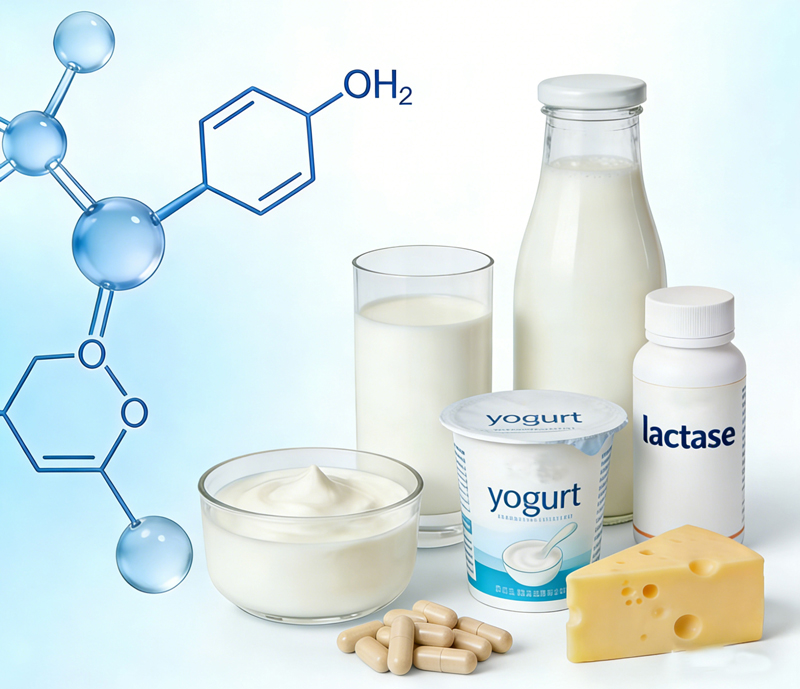
Used in dairy products such as milk, yogurt, cheese, and milk powder to produce low-lactose products, improve taste, and meet the needs of lactose-intolerant consumers. Also applied in food improvement and GOS (prebiotic) production for functional foods.
💊 2. Health & Pharmaceutical
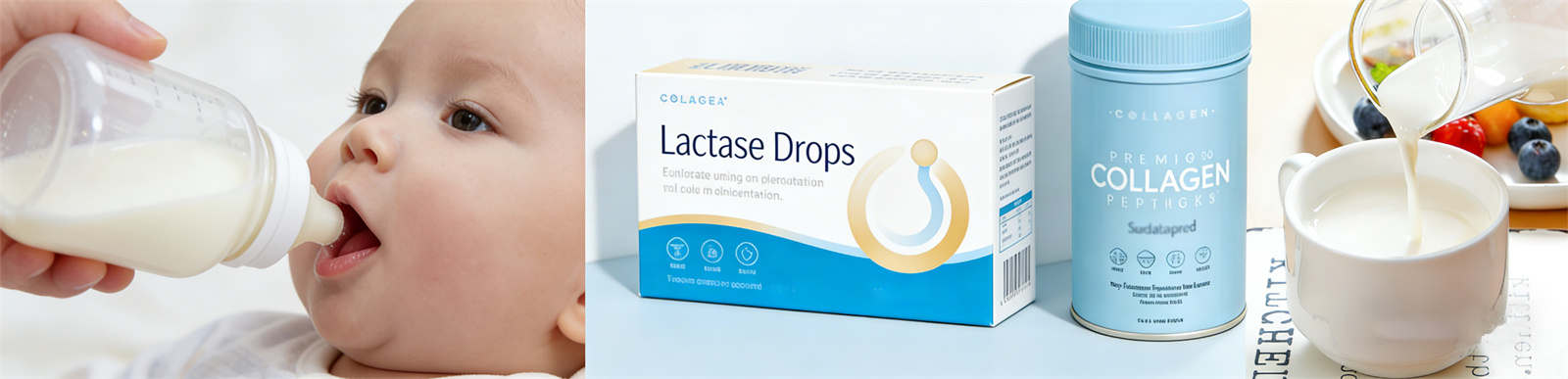
Used as a dietary supplement to compensate for insufficient lactase activity in the human intestine. It helps relieve symptoms of lactose intolerance such as bloating and diarrhea, and is suitable for various groups including pregnant women, breastfeeding women, and infants.
🏭 3. Industrial Use
Used in large-scale dairy processing to improve efficiency, reduce waste, and lower production costs.
Packing
Weight
Packing Method
1kg
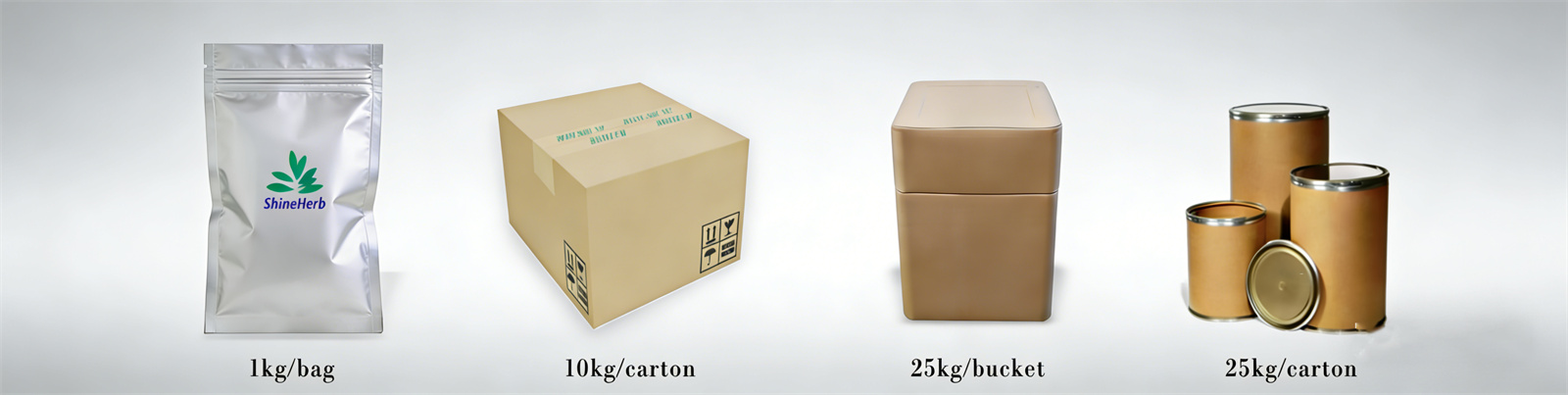
Bag/kg, box outside (double plastic bag + Aluminum foil bag inside)
10kgs, 25kg or more
By Drums or carton (2 layers plastic bag inside)
Delivery
Weight
Delivery Method
Delivery Time
Destination
1kg – 25kgs
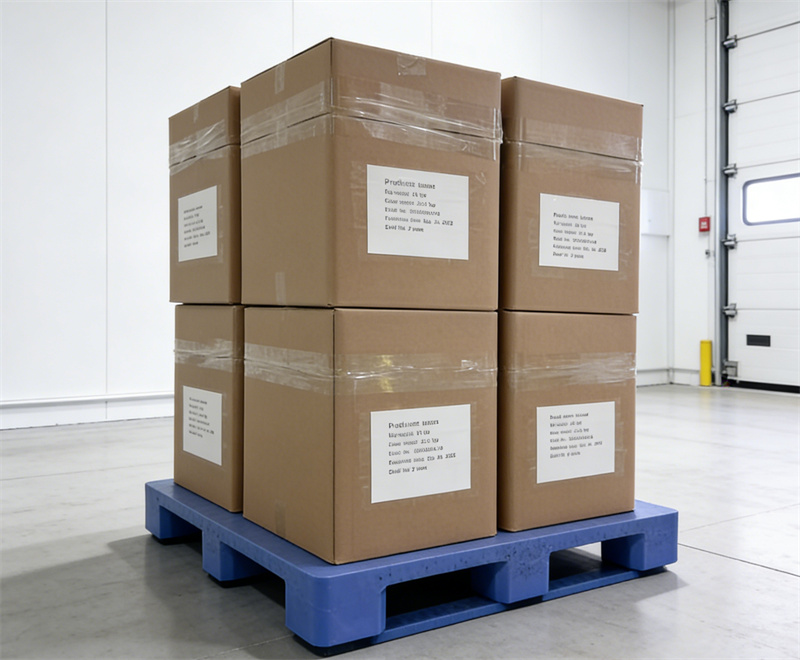
EMS, DHL, UPS, FedEx
3–7 days
Door to Door
25kgs – 100kgs
DHL, FedEx, by Air
3–7 days
Door to Door (to Airport by Air)
More than 100kgs
By Air
3–7 days
Door to Airport
By Sea
10–35 days
Door to Port
Logistics
Frequently Asked Questions (FAQ)
Q
What is lactase and where does it come from?
Lactase (β-galactosidase) is a digestive enzyme that breaks down lactose into glucose and galactose. Our lactase is derived from Aspergillus oryzae and produced through submerged fermentation, resulting in a food-grade enzyme suitable for both food processing and dietary supplement applications.
Q
What enzyme activity levels are available for lactase?
Lactase is available in powder form ranging from 50,000 ALU/g to 160,000 ALU/g, and in liquid form at 20,000 ALU/g. High-activity powder at over 100,000 ALU/g is particularly well-suited for use in capsules, tablets, and drops.
Q
What is the recommended dosage for lactase as a dietary supplement?
A general guideline is 2,500 ALU per 10–13g of lactose consumed. We recommend taking 4,000–6,000 ALU with each lactose-containing meal to effectively support digestion and reduce symptoms such as bloating and diarrhea.
Q
What are the main applications of lactase?
Lactase is used across multiple industries: in food processing for producing low-lactose dairy products and functional foods with GOS prebiotics; in health & pharmaceuticals as a digestive supplement for lactose-intolerant individuals including infants, pregnant and breastfeeding women; and in industrial dairy processing to enhance efficiency and reduce production costs.
Q
What are the packaging options and shelf life of lactase?
For small quantities (1kg), lactase is packed in a double plastic bag with an aluminum foil bag inside, placed in an outer box. For larger quantities (10kg, 25kg, or more), drums or cartons with 2 layers of plastic bag inside are used. The shelf life is 2 years from the manufacturing date when stored under recommended conditions.
Q
What shipping methods are available and how long does delivery take?
For orders of 1kg–25kgs, we ship via EMS, DHL, UPS, or FedEx with door-to-door delivery in 3–7 days. For 25kgs–100kgs, DHL, FedEx, or air freight is used (3–7 days). For orders over 100kgs, air freight (3–7 days, door to airport) or sea freight (10–35 days, door to port) is available depending on your requirements.
 ShineHerb