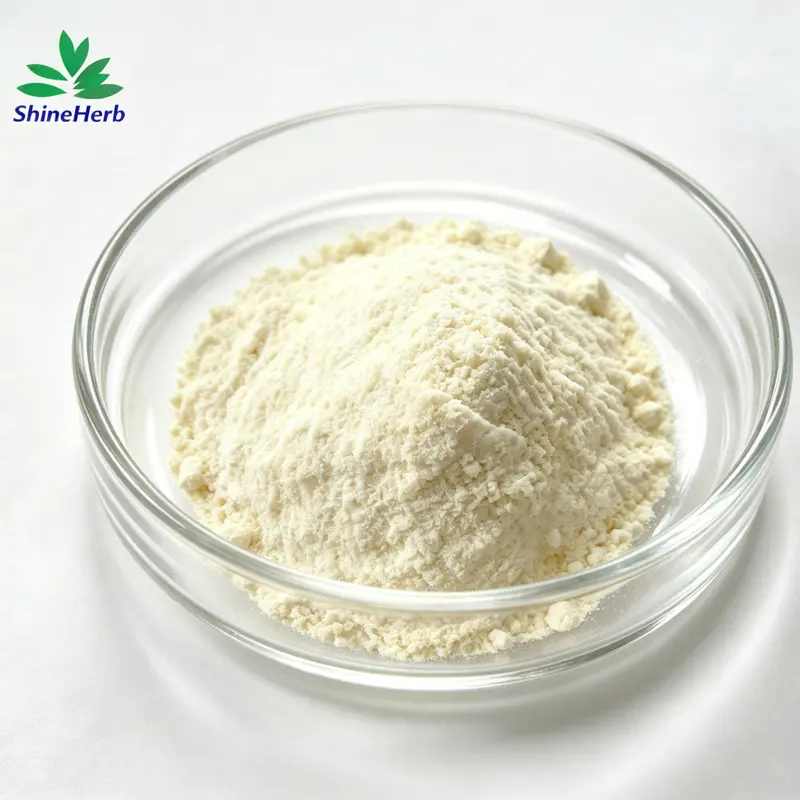
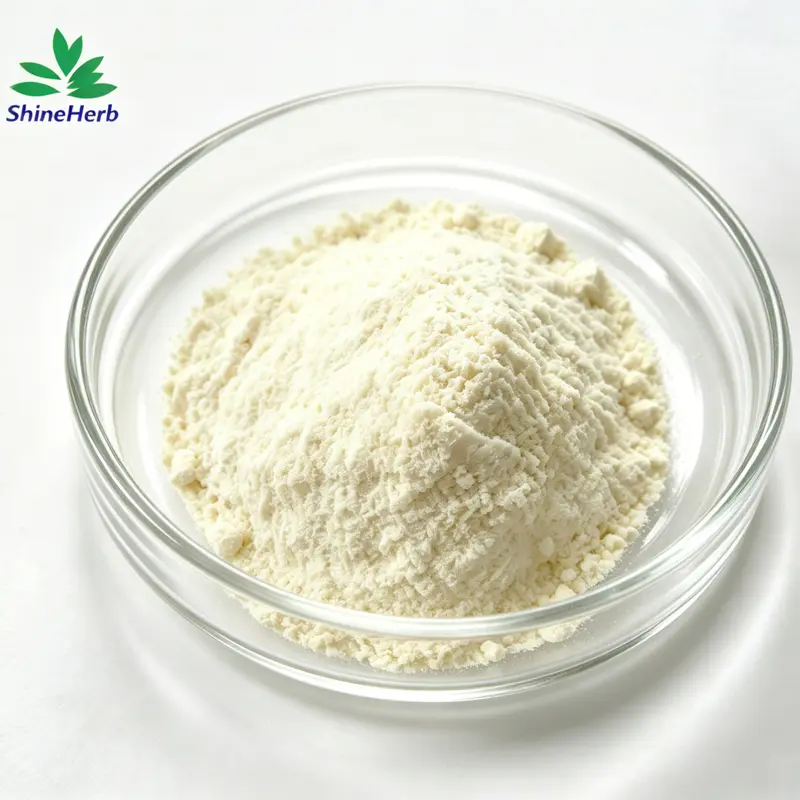
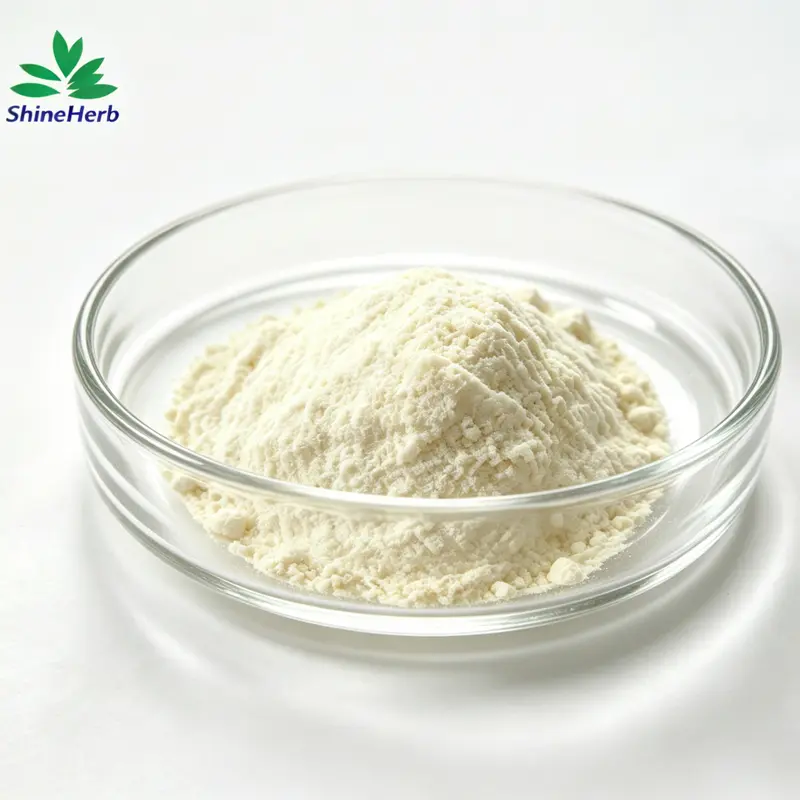
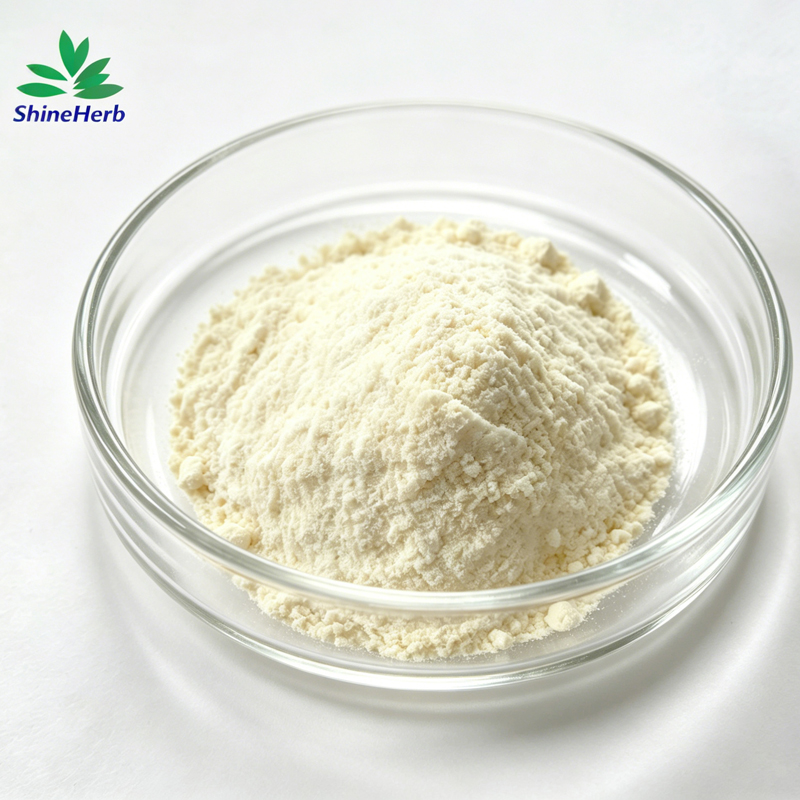
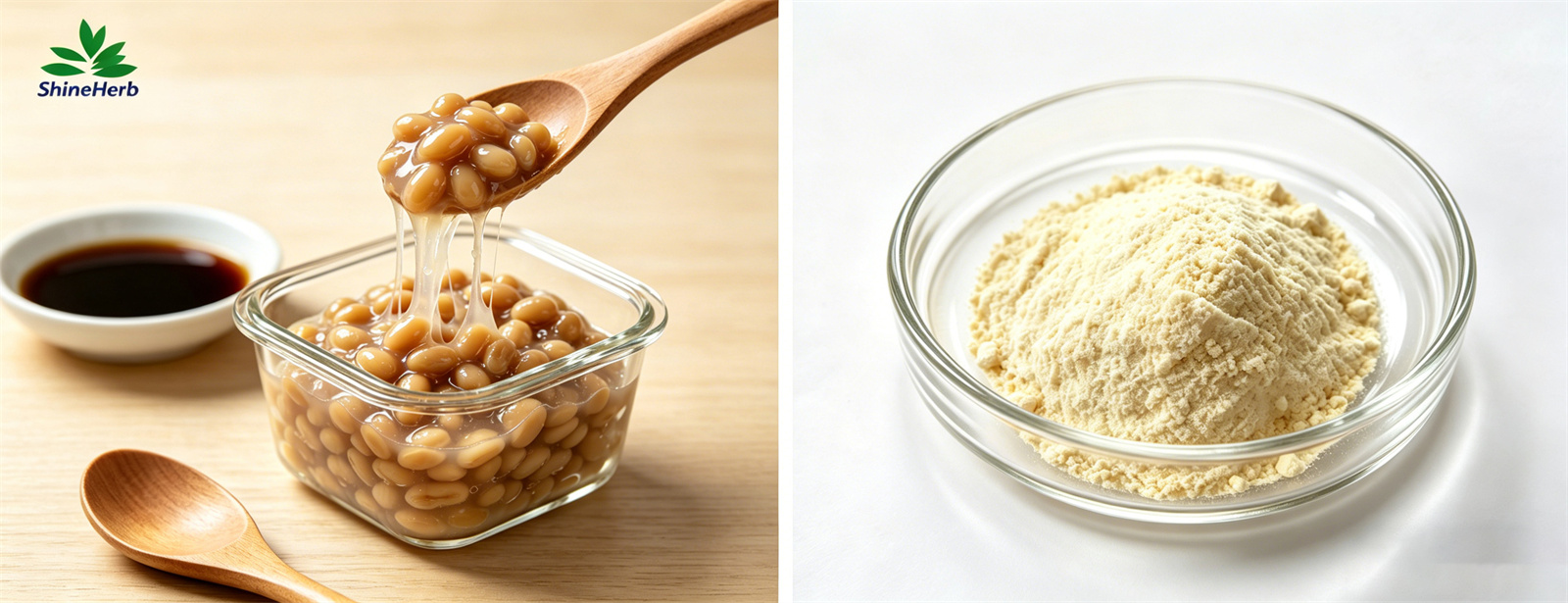
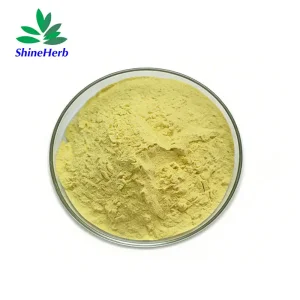
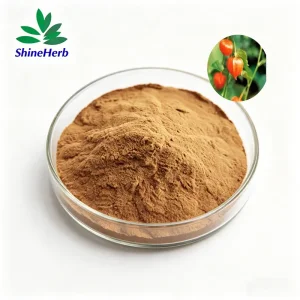
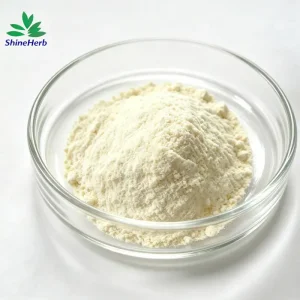
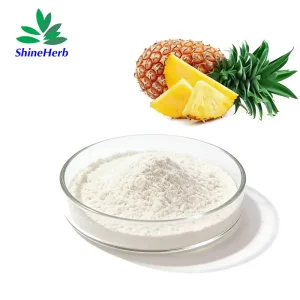
Nattokinase, also known as subtilisin (hereinafter referred to as NK), is a serine protease produced by Bacillus subtilis natto during the fermentation of natto. It can dissolve thrombi, reduce blood viscosity, improve blood circulation, soften blood vessels and enhance vascular elasticity.
⭐ Product Features
1
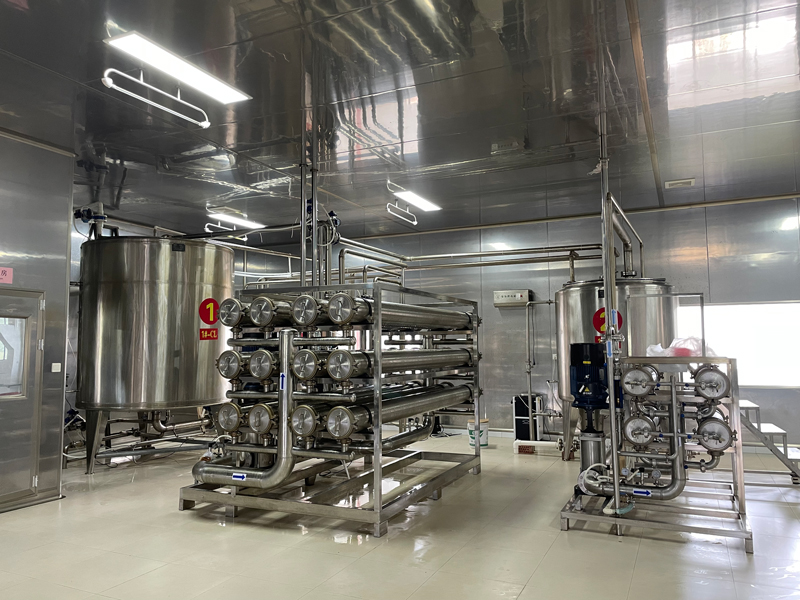
Produced via liquid fermentation and nanobiotechnology, enabling precise extraction of active ingredients. The product's kinase activity exceeds 50,000 Fu/g.
2
Compared with other thrombolytic drugs, Nattokinase (NK) offers advantages including low cost, high safety, small molecular weight, excellent oral efficacy, strong thrombolytic activity and long duration of action.
3
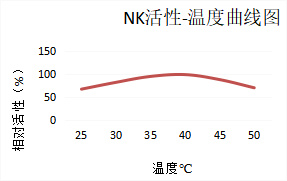
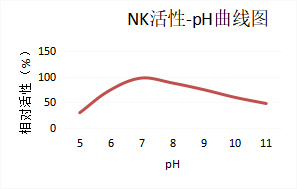
Optimal reaction temperature: 30–45°C, with the best performance at 37°C; denatures and inactivates above 80°C. Optimal reaction pH: 6–9, with the best performance at pH 7.4; inactivates below pH 5.
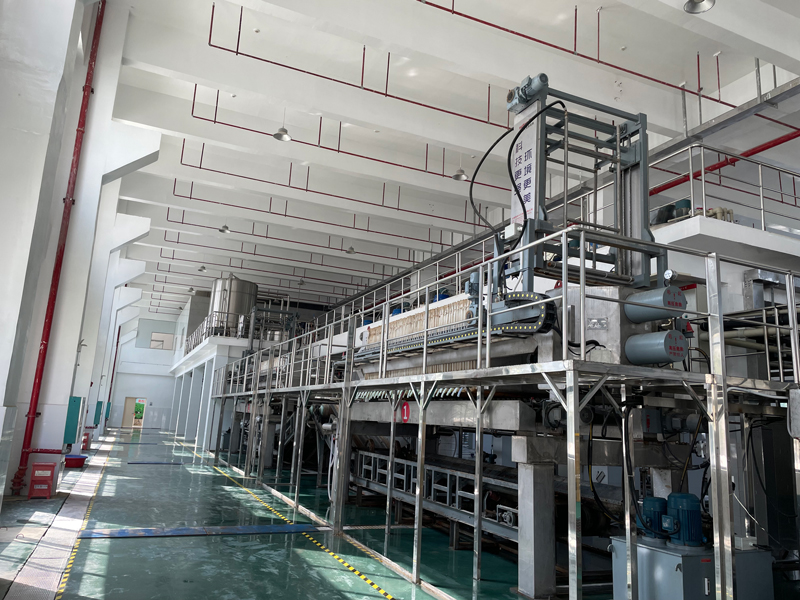
Bacillus subtilis natto fermentation → Extraction → Horizontal spiral separation → Centrate → High-speed tubular centrifugation → Centrate → Microfiltration → Ultrafiltration
                                            ↑ Re-extraction ↖
Residue → Discarding
→ Vacuum freeze-drying → Shatter → Blend → Detection → Packaging → Finished Product
             ↑                   ↑
acceptance           acceptance
             ↑                   ↑
Excipients           Inner packaging bag
📌 Enzyme Activity Definition: Nattokinase reacts with fibrin to hydrolyze the peptide bonds of fibrin. The hydrolysis reaction changes the absorbance of the solution at 275 nm of ultraviolet light. One activity unit (1 FU) refers to the energy consumed for every 0.01 increase in the absorbance value at 275 nm.
❓
Frequently Asked Questions (FAQ)
Q
What is Nattokinase and how is it produced?
Nattokinase (NK) is a serine protease derived from Bacillus subtilis natto during natto fermentation. It is produced using advanced liquid fermentation and nanobiotechnology to ensure precise extraction of active ingredients, achieving a kinase activity exceeding 50,000 Fu/g.
Q
What are the main health benefits of Nattokinase?
Nattokinase helps dissolve blood clots, lower blood viscosity, improve blood circulation, and support cardiovascular and cerebrovascular health. It also offers antioxidant, anti-fatigue, and anti-aging benefits, supports hormone balance, aids detoxification, and assists with weight management.
Q
What are the optimal storage conditions for Nattokinase?
Nattokinase should be stored in a cool, dry, and dark environment at a temperature below 0°C. Exposure to high temperatures or humidity may reduce enzyme activity. If improper storage occurs, an appropriate increase in dosage is recommended.
Q
What is the optimal temperature and pH for Nattokinase activity?
Nattokinase performs best at a temperature of 37°C (active range: 30–45°C) and a pH of 7.4 (active range: 6–9). It will denature and lose activity above 80°C or below pH 5.
Q
What packaging and shipping options are available?
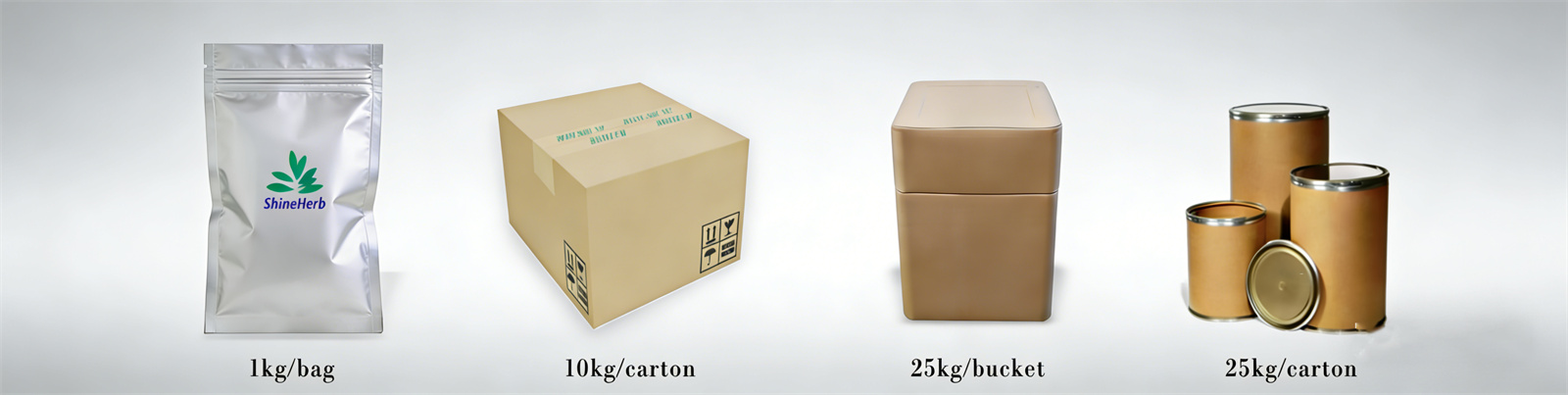
Nattokinase is available in 1 kg bags (double plastic bag + aluminum foil inner bag, outer box) or in 10 kg / 25 kg+ drums or cartons (2-layer inner plastic bag). Shipping is available via EMS, DHL, UPS, FedEx, air freight, or sea freight depending on order volume and destination.
Q
Does your Nattokinase meet international quality and safety standards?
Yes. Our Nattokinase has been rigorously tested and conforms to international standards including USP, AOAC, FDA (BAM), and GB/T methods. It passes heavy metal, pesticide residue, and microbiological tests, with E. coli and Salmonella testing negative.
 ShineHerb