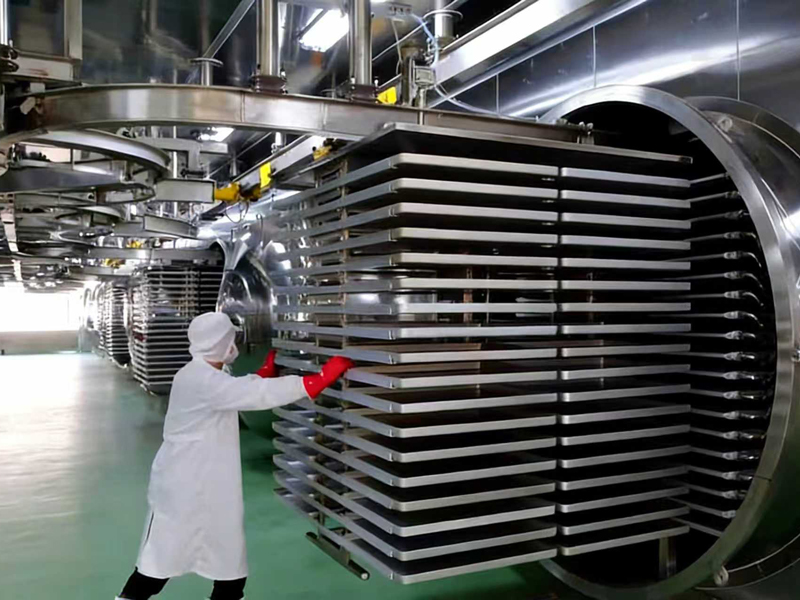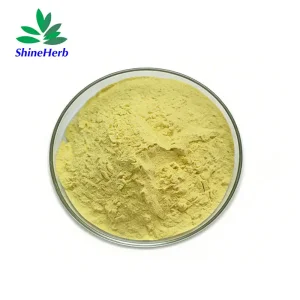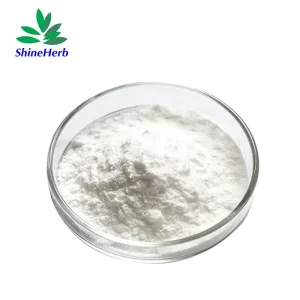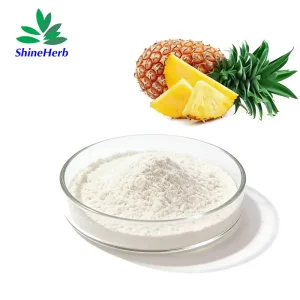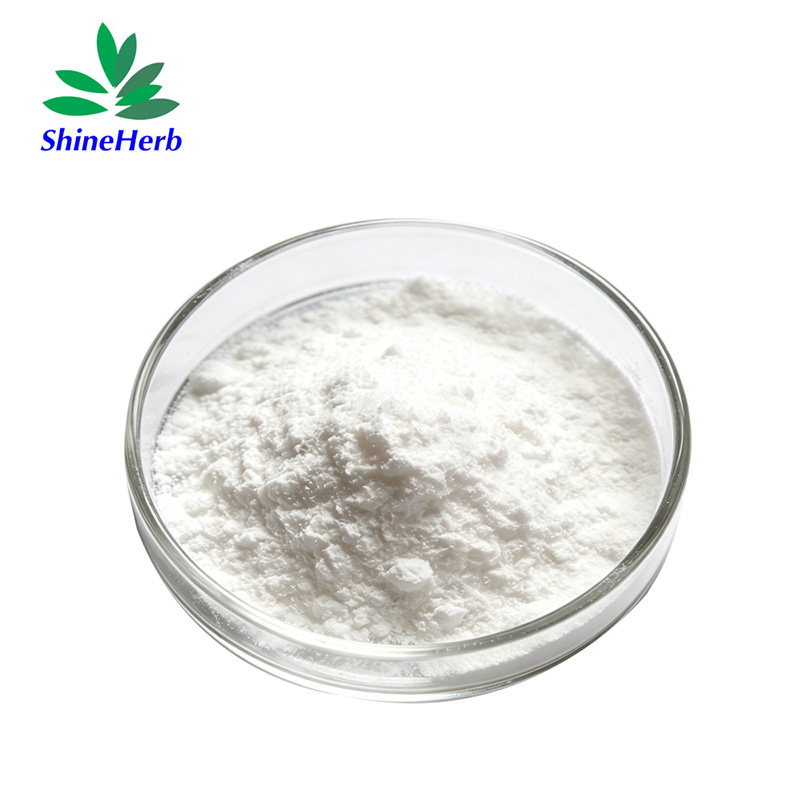
Serrapeptidase is an independently developed enzyme product, produced through fermentation, extraction and purification from Serratia bacteria. Also known as Serratia protease, it is an alkaline proteolytic enzyme with excellent anti-inflammatory and anti-edema effects.
In recent years, market demand for serrapeptidase has been strong as an adjuvant pharmaceutical and health food ingredient.
⭐ Product Features
①
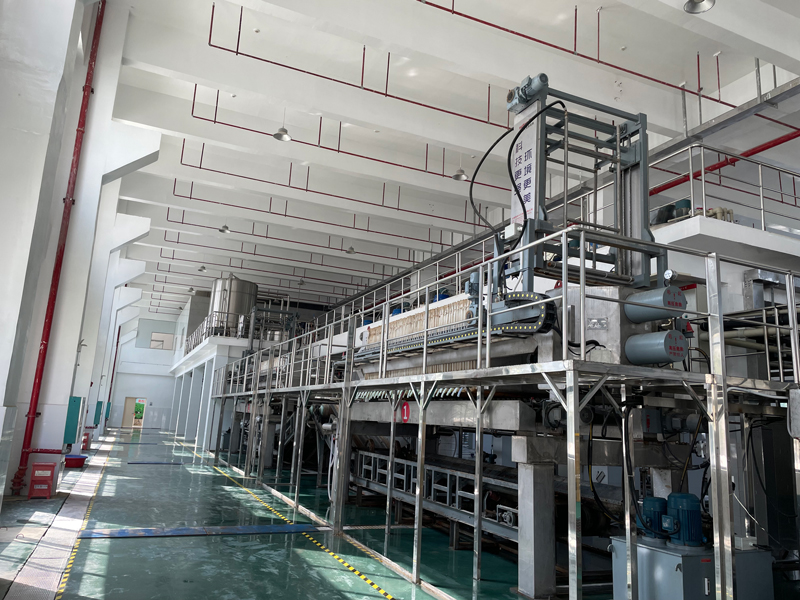
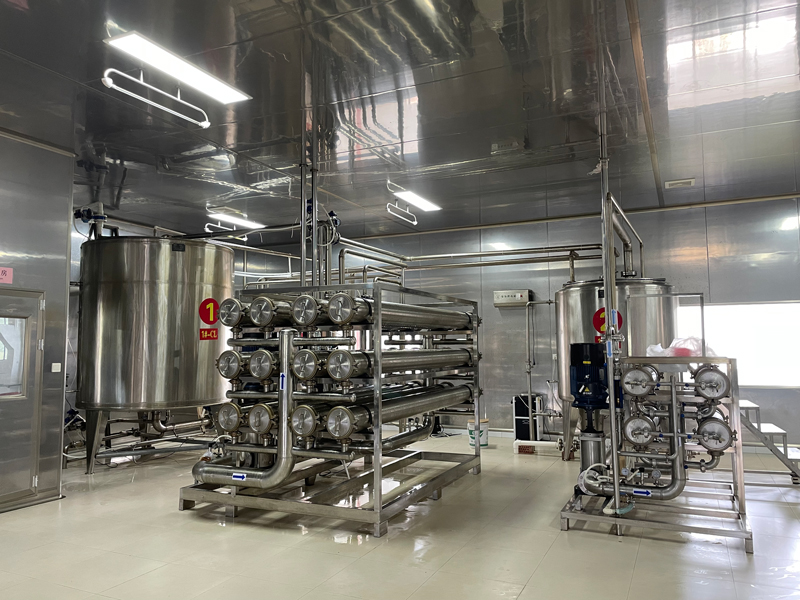
Produced by liquid fermentation with nanobiotechnology, enabling precise extraction of active ingredients. The product's kinase activity reaches above 2200 SPu/mg.
②
Compared with other pharmaceuticals, serrapeptidase offers the advantages of low cost, high safety, small molecular weight, good oral absorption and excellent anti-inflammatory effect.
③
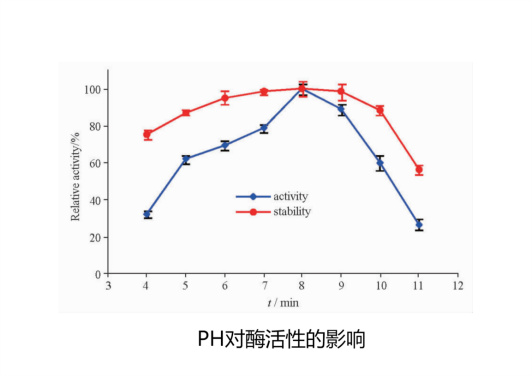
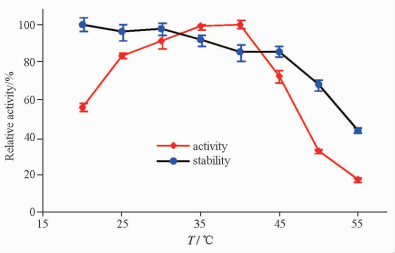
Suitable reaction temperature: 30–45°C, optimal at 37°C; denatures and inactivates above 80°C. Suitable reaction pH: 6–9, optimal at pH 7.2; inactivates below pH 5.
Keep in a cool, dry and dark place. Storage temperature: below 0°C.
Prolonged or improper storage may reduce enzyme activity. If exposed to high temperature or humidity, an appropriate increase in dosage is recommended.
⚠️ Enzyme inactivation depends on conditions including substrate concentration, pH and temperature. It will be inactivated after 15 minutes at above 80°C or below pH 5.
❓ Frequently Asked Questions (FAQ)
Q
What is Serrapeptase and how is it produced?
Serrapeptase (also called Serrapeptidase or Serratia protease) is an alkaline proteolytic enzyme produced through liquid fermentation from Serratia bacteria. The product undergoes precision extraction and purification using nanobiotechnology, achieving a kinase activity of above 2,200 SPu/mg.
Q
What are the main applications of Serrapeptase?
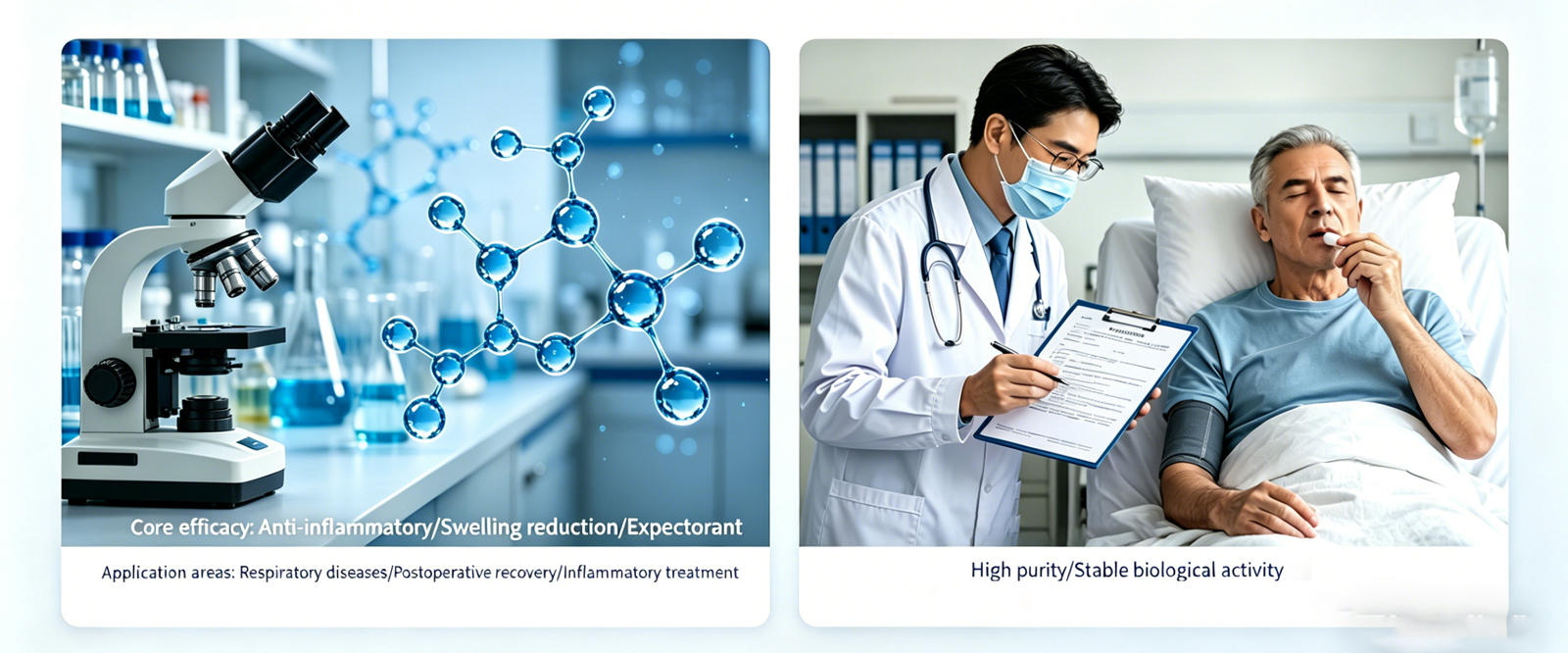
Serrapeptase is widely used in the pharmaceutical and healthcare industry for anti-inflammatory and edema-reduction purposes, in dietary supplements for joint care and sports recovery, in biomedical research as an enzyme reagent, and in cosmeceutical formulations for anti-inflammatory skin repair.
Q
What are the optimal temperature and pH conditions for Serrapeptase activity?
The optimal reaction temperature is 37°C, with activity maintained within a range of 30–45°C. The enzyme will denature and inactivate above 80°C. The optimal pH is 7.2, with a suitable range of pH 6–9. The enzyme becomes inactive below pH 5.
Q
How should Serrapeptase be stored to maintain its activity?
Store in a cool, dry, and dark environment at temperatures below 0°C, with relative humidity below 60%. Prolonged or improper storage may reduce enzyme activity. If the product has been exposed to high temperature or humidity, an appropriate increase in dosage is recommended. The shelf life is 2 years when properly stored.
Q
What packaging options are available for Serrapeptase orders?
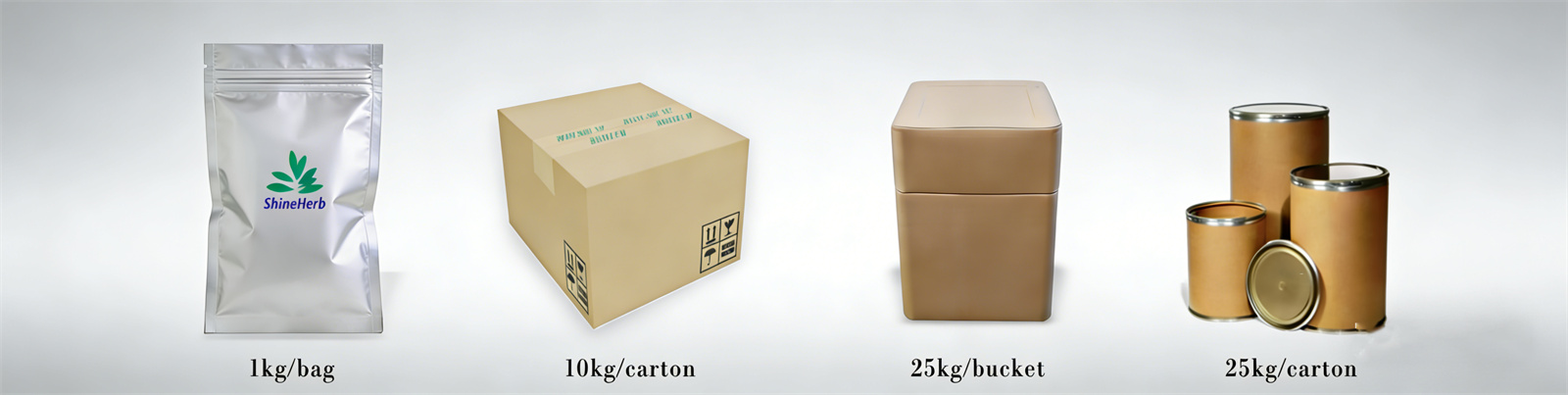
For 1kg orders, the product is packed in a bag/kg with a box outside (double plastic bag + aluminum foil bag inside). For 10kg, 25kg, or larger quantities, it is packed in drums or cartons with 2 layers of plastic bags inside to ensure product integrity during shipping.
Q
What shipping methods are available and how long does delivery take?
For small orders (1kg–25kgs), shipping is available via EMS, DHL, UPS, or FedEx with a delivery time of 3–7 days door to door. For medium orders (25kg–100kgs), options include DHL, FedEx, or air freight (3–7 days). For large orders over 100kgs, air freight (3–7 days to airport) or sea freight (10–35 days, door to port) is offered.
 ShineHerb