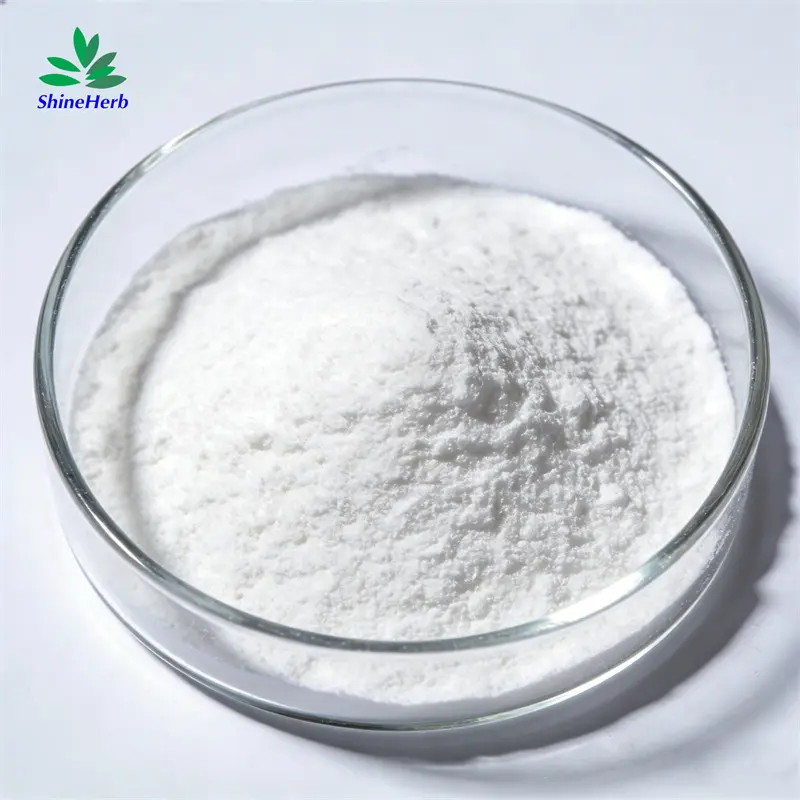
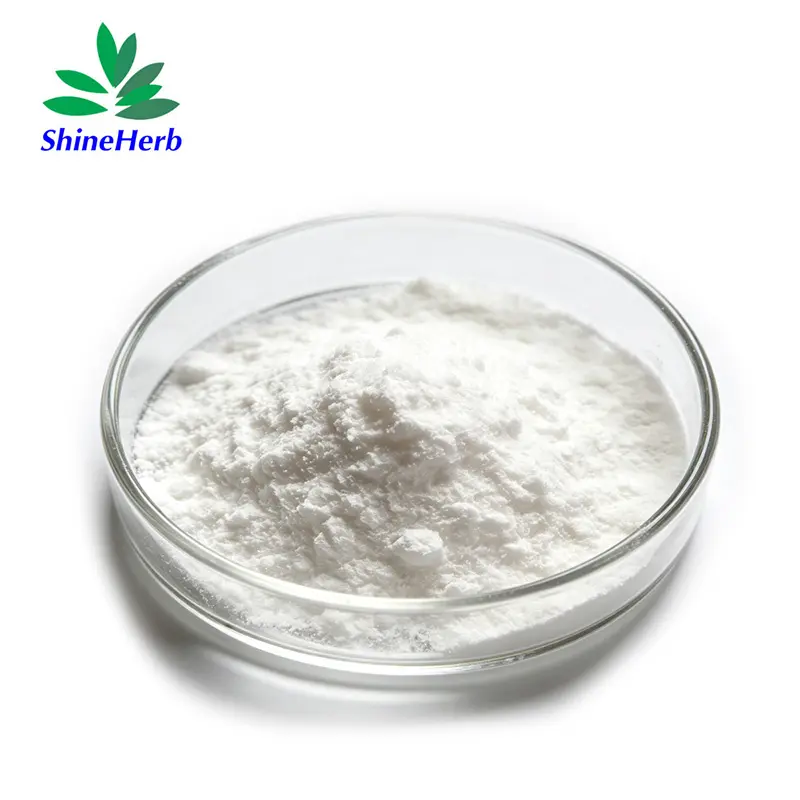
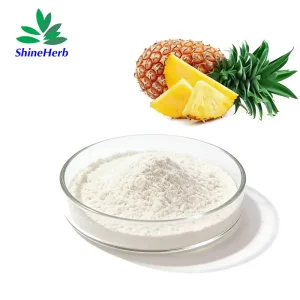
Pancreatin is a complex enzyme obtained through extraction, purification and formulation. It contains protease, lipase, amylase and other active components, with strong capacity to break down proteins, fats and other substances. It is widely used in food, medical treatment, brewing, silk, leather manufacturing and other industries.
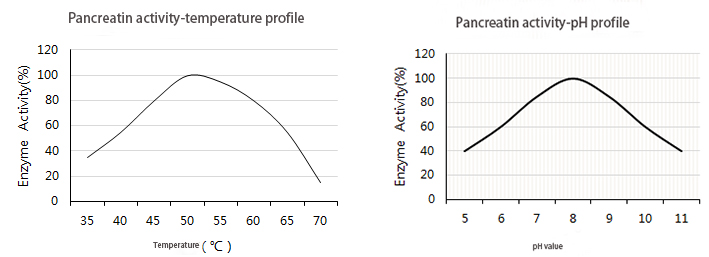
⭐ Product Features: Pancreatin delivers excellent performance under relatively high temperature and weak alkaline conditions.
Pancreatin is a mixture of digestive enzymes secreted by the pancreas or extracted from animal pancreatic tissue. It mainly consists of trypsin, pancreatic lipase and pancreatic amylase.
Pancreatin breaks down proteins and helps the body absorb nutrients. In the medical field, it is also commonly used to assist in the treatment of wounds and inflammations, as well as to promote the absorption of pharmaceuticals.
Our products comply with international food safety standards. We provide pancreatin with various enzyme activity units according to customer requirements, including TU/mg, USP unit/mg, IU/mg, and MU/mg.
❓
Frequently Asked Questions (FAQ)
Q
What is Pancreatin and what enzymes does it contain?
Pancreatin is a complex enzyme mixture extracted from animal pancreatic tissue (typically porcine pancreas glands). It primarily contains three key digestive enzymes: trypsin (protease), pancreatic lipase, and pancreatic amylase. These active components work together to break down proteins, fats, and carbohydrates efficiently, making pancreatin highly versatile for both industrial and medical applications.
Q
What are the main applications of Pancreatin?
Pancreatin is widely used across multiple industries. In the food industry, it aids in protein and fat hydrolysis during processing. In medicine, it assists in wound treatment, inflammation management, and enhancing pharmaceutical absorption. It is also applied in brewing, silk processing, and leather manufacturing, where its ability to break down proteins and fats is essential to production quality.
Q
What are the recommended conditions of use for Pancreatin?
For optimal performance, the following conditions are recommended: a hydrolysis temperature of 50°C, a substrate concentration of 25–50%, a pH value between 7.5 and 8.5 (weak alkaline), an enzyme dosage of 0.15–0.2% based on substrate weight, and a hydrolysis time of 4–6 hours. Pancreatin performs especially well under relatively high temperature and weak alkaline conditions.
Q
What enzyme activity units are available for Pancreatin?
We provide Pancreatin with various enzyme activity units to meet different customer and regulatory requirements, including TU/mg, USP unit/mg, IU/mg, and MU/mg. Our products comply with international food safety standards, and customized specifications are available upon request. Please contact us with your specific requirements.
Q
How should Pancreatin be stored to maintain its activity?
Pancreatin should be stored in a cool, dry place away from direct light, at a recommended temperature below 0°C, with relative humidity kept below 60%. Enzyme activity may decrease if stored for an excessively long time or under unfavorable temperature and humidity conditions. In such cases, an appropriate increase in dosage is recommended during application. The shelf life is 1 year when properly stored.
Q
What packaging options and delivery methods are available?
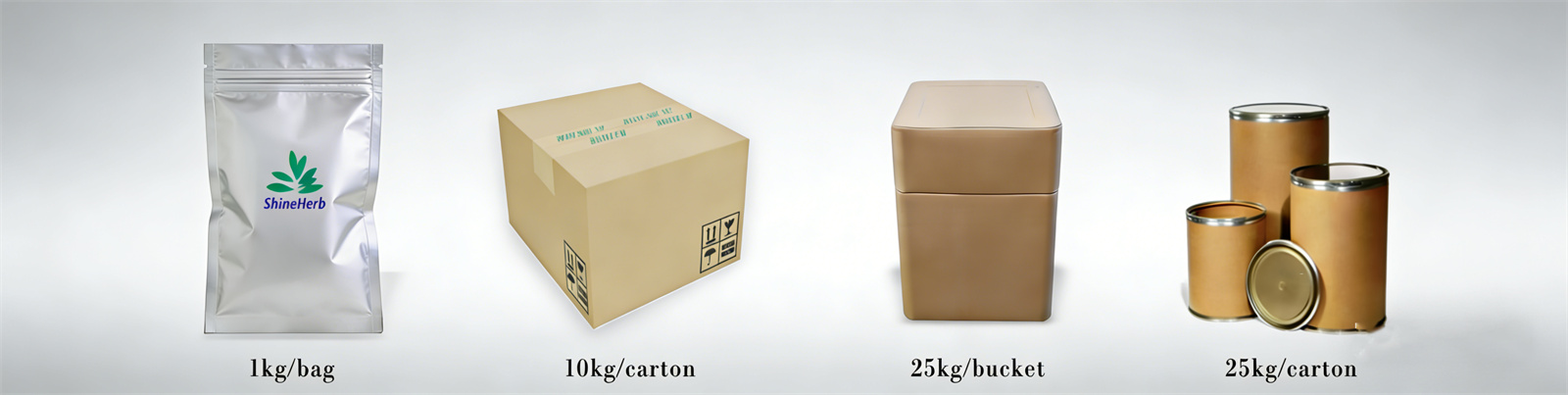
Pancreatin is available in 1 kg bags (double plastic bag + aluminum foil bag inside a box) and in 10 kg, 25 kg or larger quantities packed in drums or cartons with 2 layers of plastic bag inside. For delivery, small orders (1–25 kg) are shipped via EMS, DHL, UPS, or FedEx with a 3–7 day delivery time. Larger shipments can be arranged by air (3–7 days) or sea freight (10–35 days) depending on quantity and destination.
 ShineHerb