 ShineHerb
1 / 3

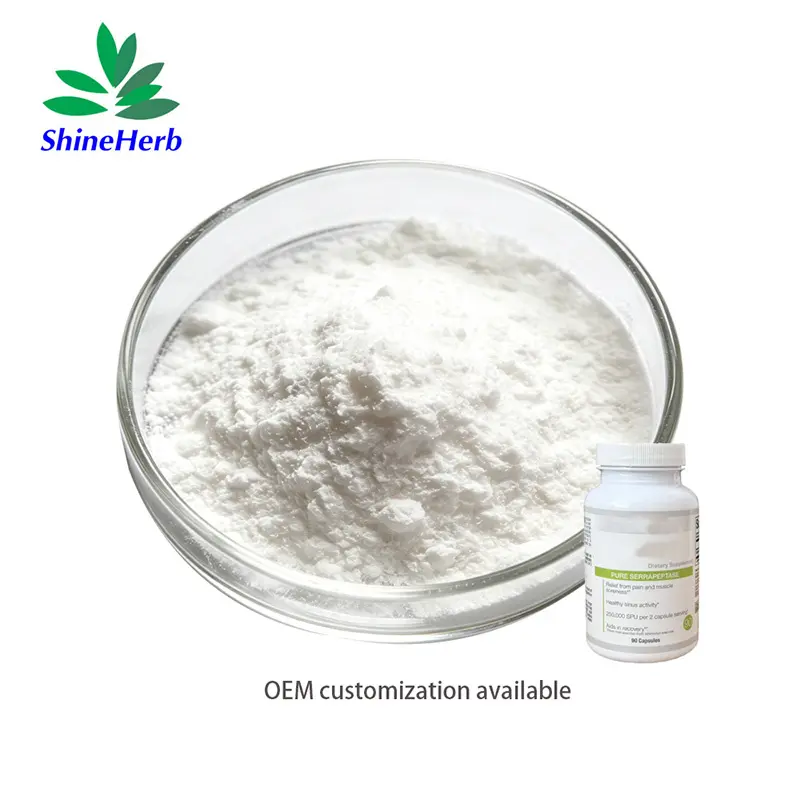
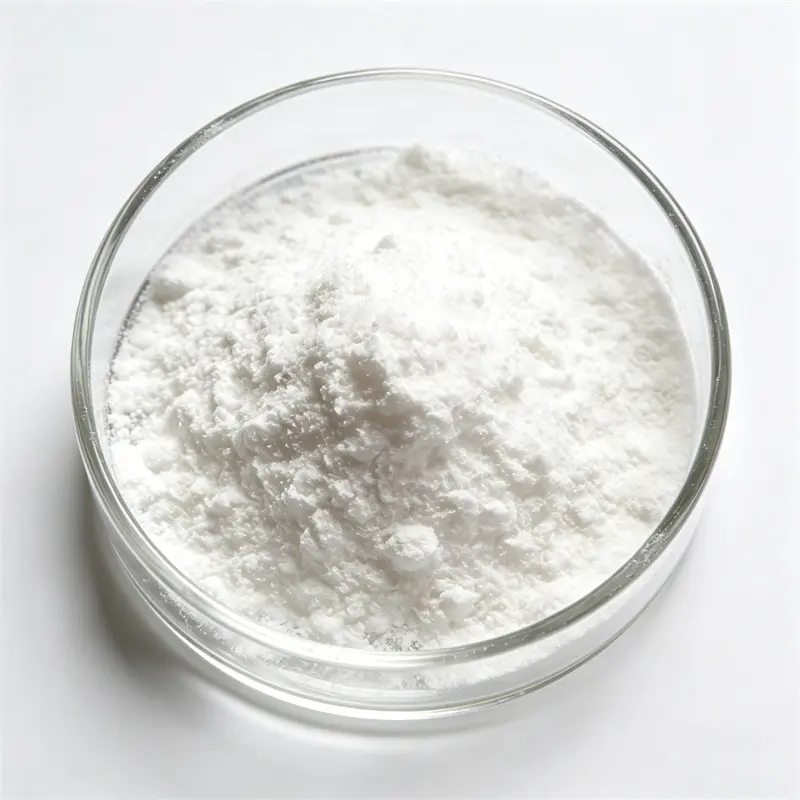
| Product Name | Serrapeptase | Part Plant | FERMENTATION(GMO free)(Serratia) Freeze Drying Powder |
| Batch No.: | 20260227PS01 | Report date | 2026.02.28 |
| Manufacturer Date: | 2026.02.27 | Expiry Date | 2026.02.26 |
| Test Items | Requirements | Results |
|---|---|---|
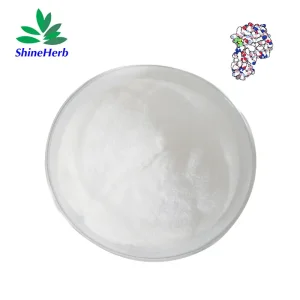
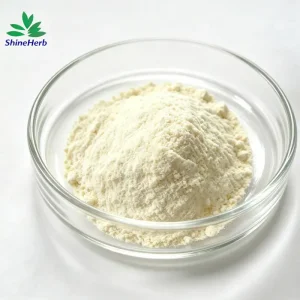
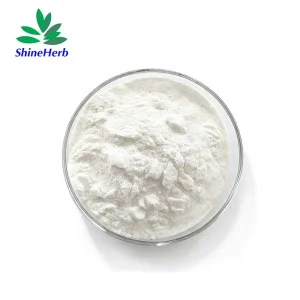
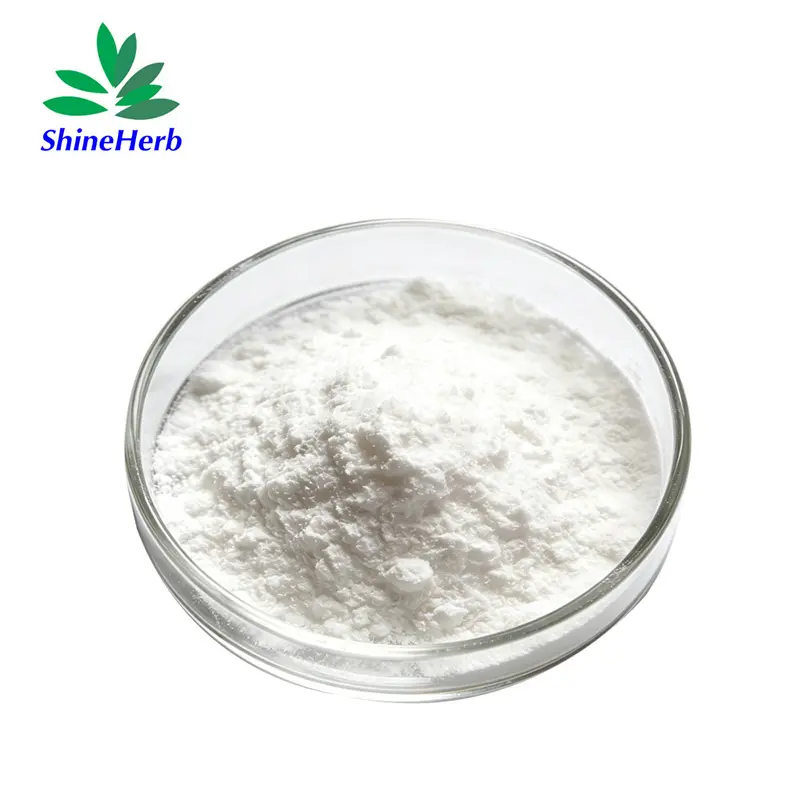
| Appearance | Light Brown Powder | Conform |
| Activity of enzyme | 2,400 SPUnits/mg | 2,480 SPUnits/mg |
| Loss on drying | ≤8.0% | 3.4% |
| Loss on ignition | ≤5.0% | 1.90% |
| Heavy metals (as Pb) | ≤1.0mg/kg | <1.0mg/kg |
| Heavy metals (as As) | ≤1.0mg/kg | <1.0mg/kg |
| Heavy metals (as Hg) | ≤0.1mg/kg | <0.1mg/kg |
| Heavy metals (as Cd) | ≤1.0mg/kg | <1.0mg/kg |
| Microbiology | ||
| Total Plate Count | <10,000 cfu/g | 100 cfu/g |
| TE | <30 cfu/g | <30 cfu/g |
| Yeast and Mould | <100 cfu/g | <10 cfu/g |
| E.Coli/25g | Absent | Absent |
| Yeast and Mould/25g | Absent | Absent |
| Storage | STORED HUMIDITY PROTECTED (RH LESS THAN 60) AT TEMPERATURE BELOW 25°C | |
| Shelf Life | 2 Year when Properly Stored | |
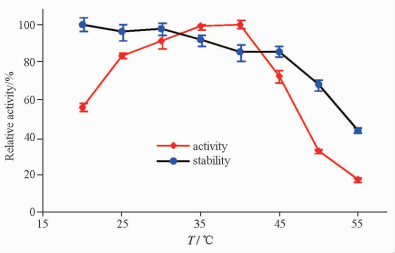
Keep in a cool, dry and dark place. Storage temperature: below 0°C.
Prolonged or improper storage may reduce enzyme activity. If exposed to high temperature or humidity, an appropriate increase in dosage is recommended.
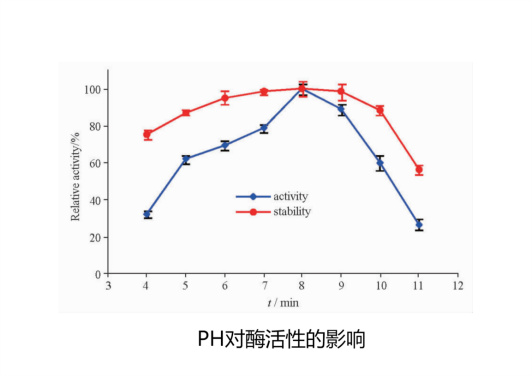
⚠ Enzyme inactivation depends on conditions including substrate concentration, pH and temperature. It will be inactivated after 15 minutes at above 80°C or below pH5.

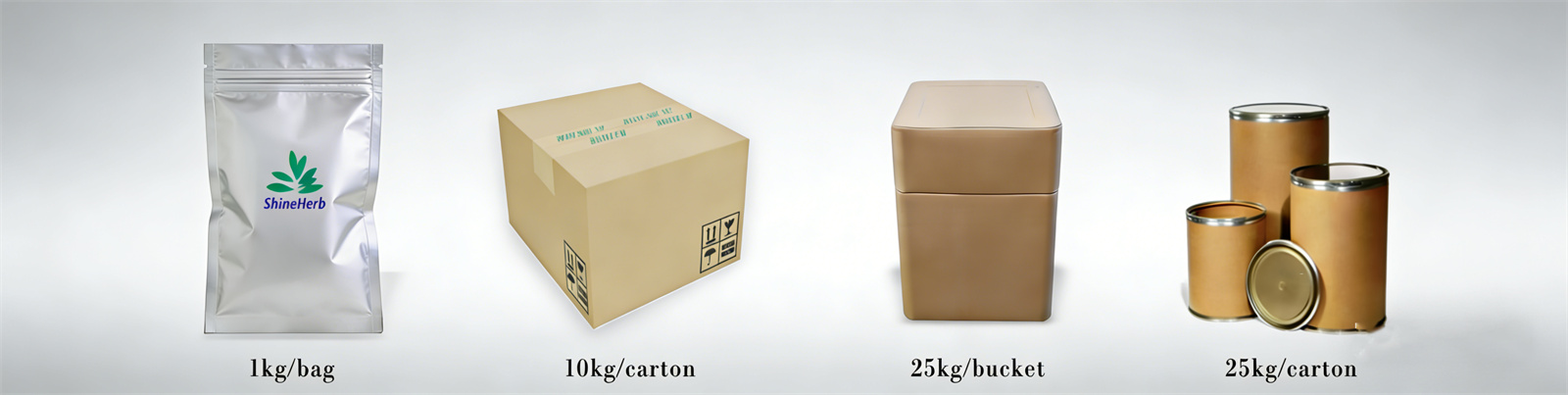
| Weight | Packing Method |
|---|---|
| 1kg | bag/kg, box outside (double plastic bag + Aluminum foil bag inside) |
| 10kgs, 25kg or more | by Drums or carton (2 layers plastic bag inside) |
| Weight | Delivery Method | Delivery Time | Destination |
|---|---|---|---|
| 1kg–25kgs | EMS, DHL, UPS, Fedex | 3–7 days | Door to door |
| 25kgs–100kgs | DHL, FedEx, by Air | 3–7 days | Door to door (to Airport by Air) |
| More than 100kgs | by Air | 3–7 days | Door to Airport |
| by Sea | 10–35 days | Door to port |