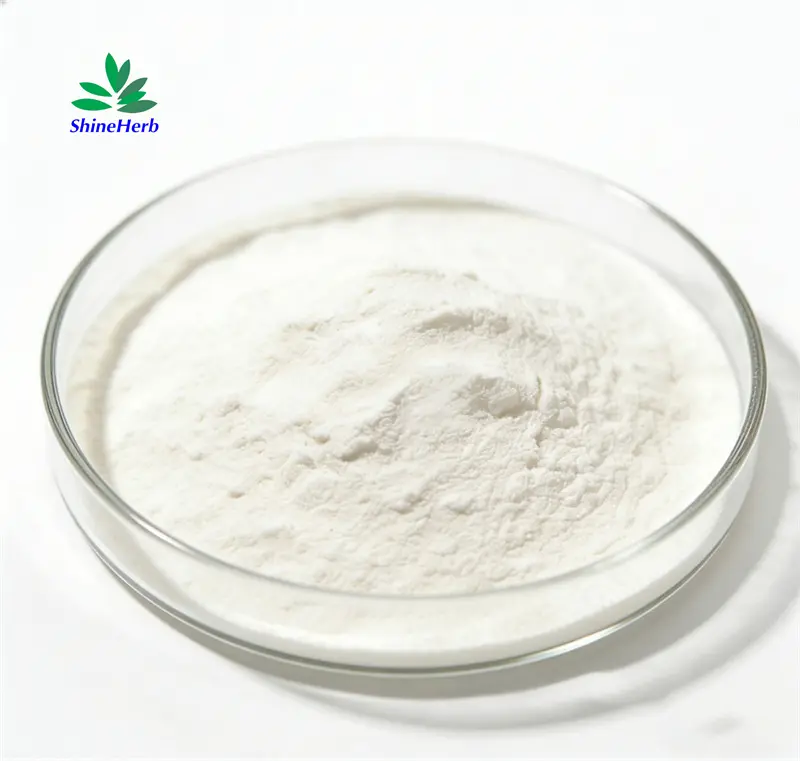
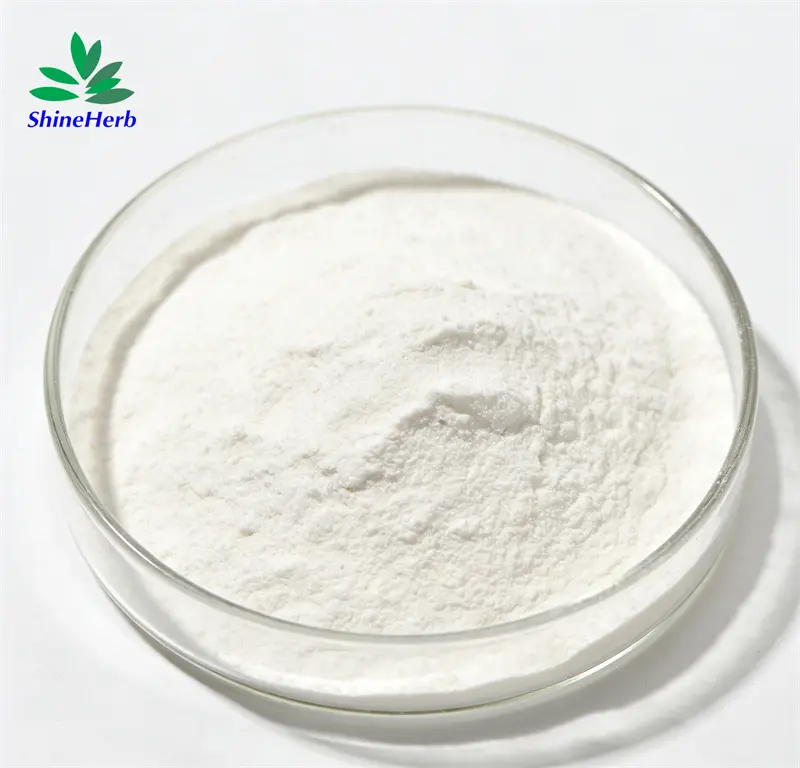
Wholesale High Activity Food Grade Pepsin Enzyme Powder - China Suppliers & Factory, 3000 u/g and 10,000 u/g Company, Exporter

, , , , , , , , , , , , , , , , , , , , , , , ,
Product NamePepsin
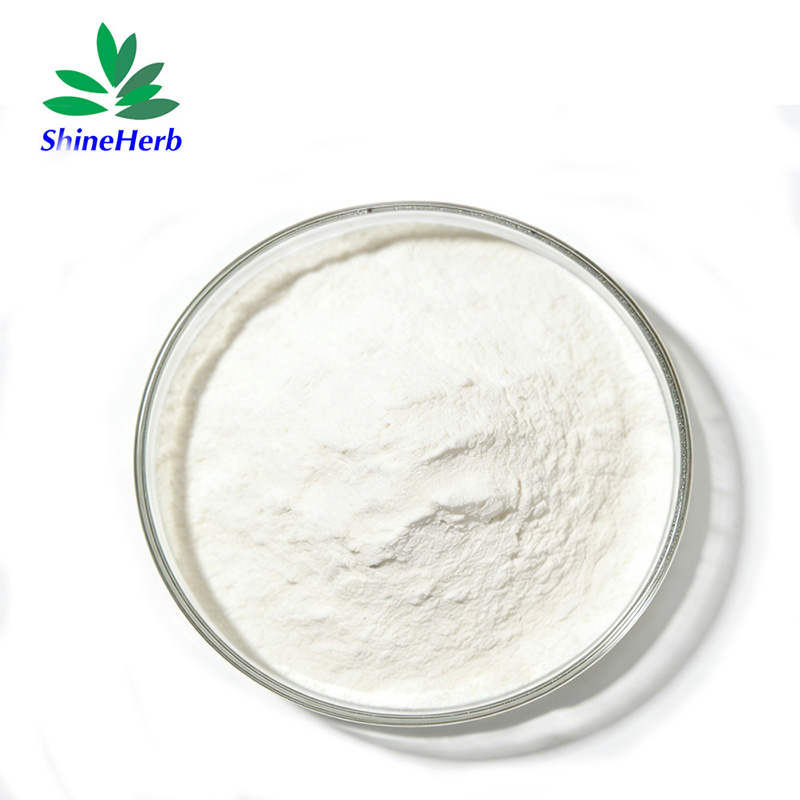
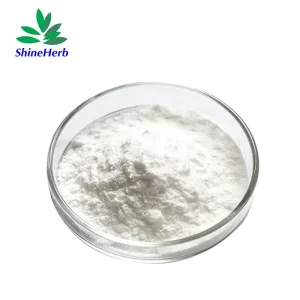
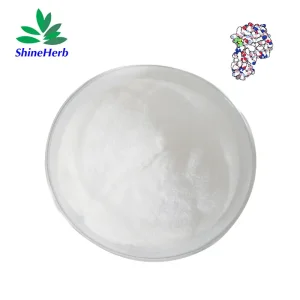
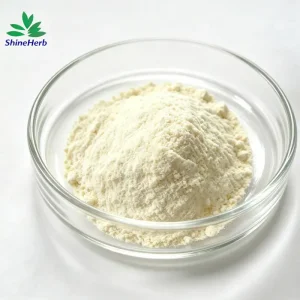
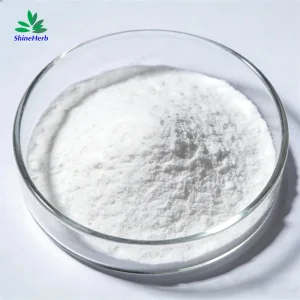
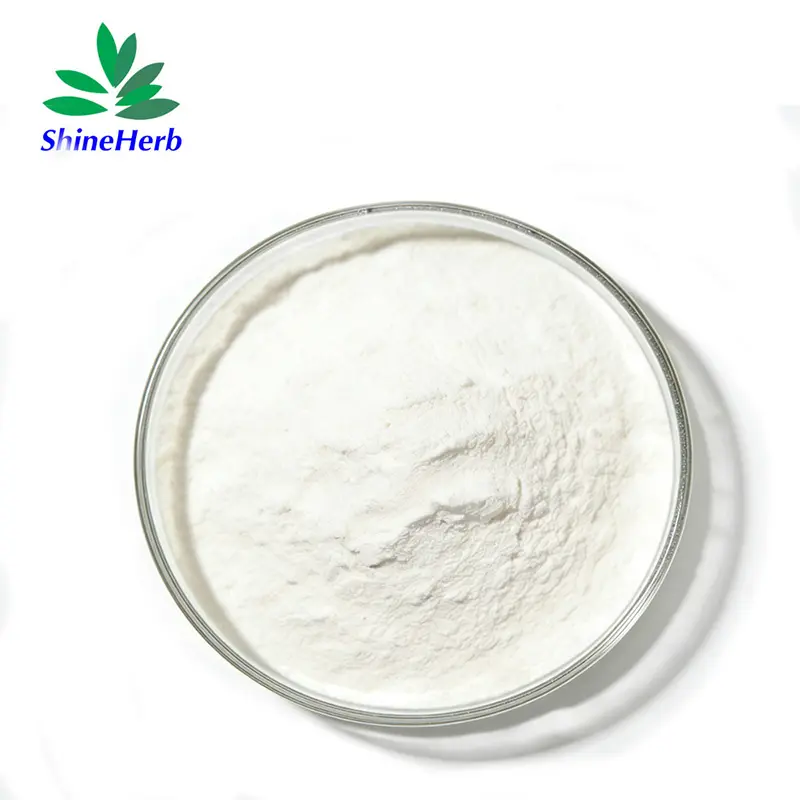
AppearanceWhite to Light Yellow Powder
Specification3000 u/g    10,000 u/g  Food Grade
StandardsISO 9001, FCC, EP, USP
Free SampleAvailable
,

Looking for high-quality pepsin? As a leading supplier and factory based in China, we offer free samples of our food-grade pepsin. Contact us today to experience the excellence of our products!

,

Product Description

Product Description
pepsin 1

Pepsin is a digestive protease secreted by gastric chief cells in the stomach. These cells secrete pepsinogen, which is then converted into pepsin when activated by gastric acid or existing pepsin. Pepsin is not produced directly by the cells.

Its function is to break down dietary proteins into small peptide fragments. Some proteins are further decomposed into amino acids such as tyrosine and phenylalanine.

Product Features

Pepsin is an endopeptidase with strong protein-digesting ability.

It is mainly extracted from porcine gastric mucosa, and the product meets food-grade and pharmaceutical-grade standards.
Application of Pepsin
Pharmaceutical Industry
Health products and medications to assist protein digestion, relieve indigestion, and improve nutrient absorption.
Food Industry
Applied in protein hydrolysis, cheese production, prepared meat products, and seafood processing to enhance flavor and texture.
Health & Nutritional Supplements
Dietary supplements to support gastrointestinal function and promote efficient protein breakdown.
Applications-of-pepsin
Certificate of Analysis
Product Name: Papain Part Plant: PAPAYA
Origin: China Manufacturer Date: 2026-01-23
Batch No.: SH260123PA6 / /
ITEMS OF ANALYSIS SPECIFICATIONS RESULTS
Appearance
Odor
Activity of enzyme
Loss on drying
Loss on ignition
Heavy metals (as Pb)
Heavy metals (as As)
White Powder
Free of offensive odours
≥6,000USP U/mg
≤5.0%
≤5.0%
≤2.0mg/kg
≤2.0mg/kg
Conform
Conform
6,761USP U/mg
2.31%
1.91%
<2.0mg/kg
<2.0mg/kg
Microbiology
Total Plate Count
E.Coli
Salmonella
Yeast and Mould
<10,000cfu/g
None detected in 10g
NMT 100 cfu/g
<500cfu/g
Absent
Absent
conform
Storage STORED HUMIDITY PROTECTED (RH LESS THAN 60) AT TEMPERATURE BELOW 25℃
Shelf Life 1 Year when Properly Stored
Conditions of Use
  • The optimal working pH for pepsin is 1.5–5.0. In neutral or alkaline solutions, pepsin will denature and lose its activity.
  • Recommended conditions for protein hydrolysis: dosage 5–15 U/g of dry protein, hydrolysis temperature 40–50 °C, hydrolysis time 2–4 hours, pH 2.0–2.5.
  • For pepsin tablets, the suggested activity is 100–300 U per tablet.
  • For digestive enzyme products, the recommended enzyme activity is 50–100 U per serving.
Storage
  • Store in a cool, dry place away from light.
  • Recommended storage temperature: below 0 °C.
  • Enzyme activity may decrease to varying degrees if stored for an excessively long time or under unfavorable conditions. If temperature or humidity is too high, a proper increase in dosage is advised during application.
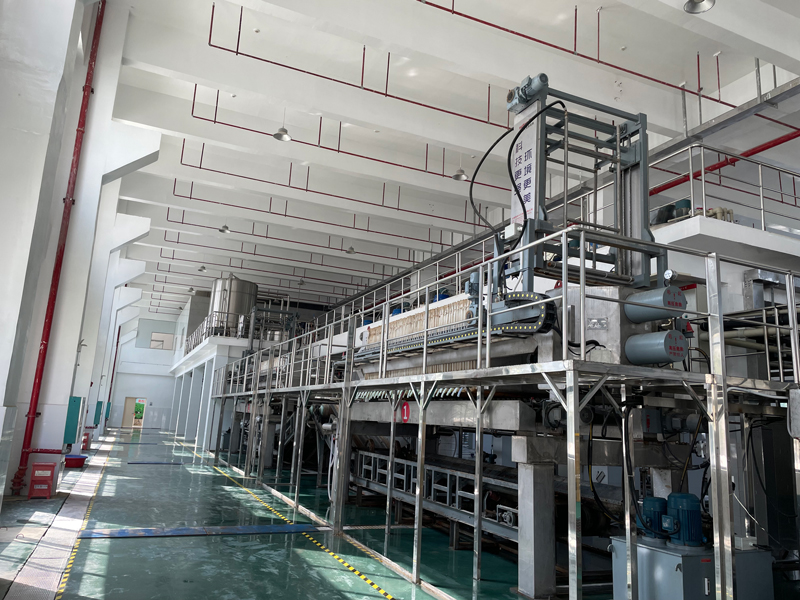
Production-workshop-bromelain-1
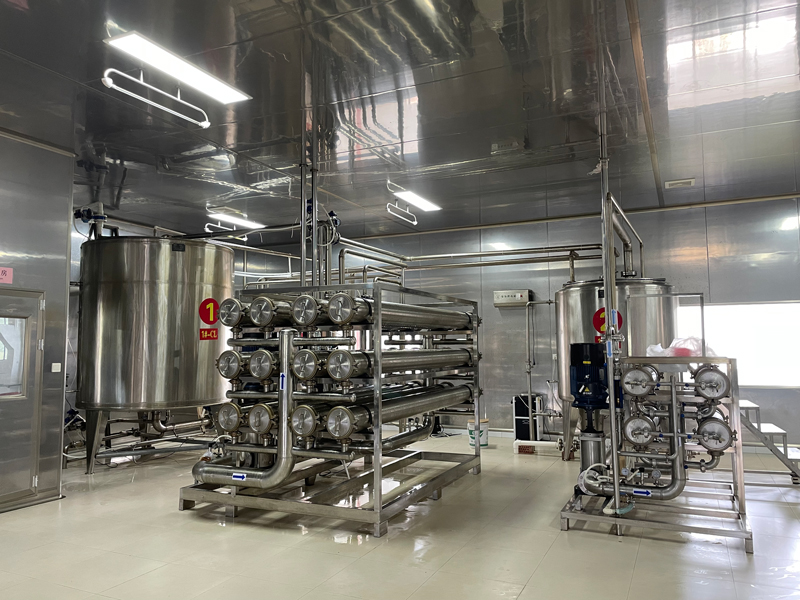
Production-workshop-bromelain-2
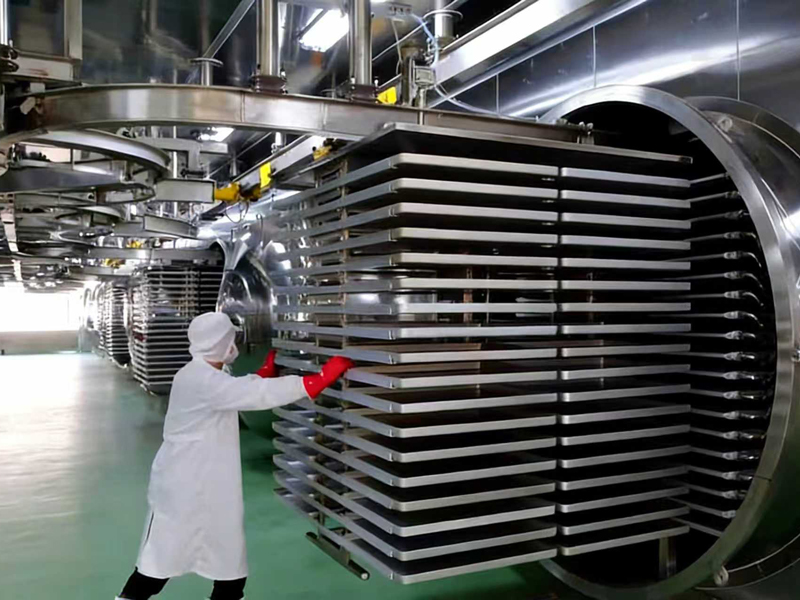
Production-workshop-bromelain-3
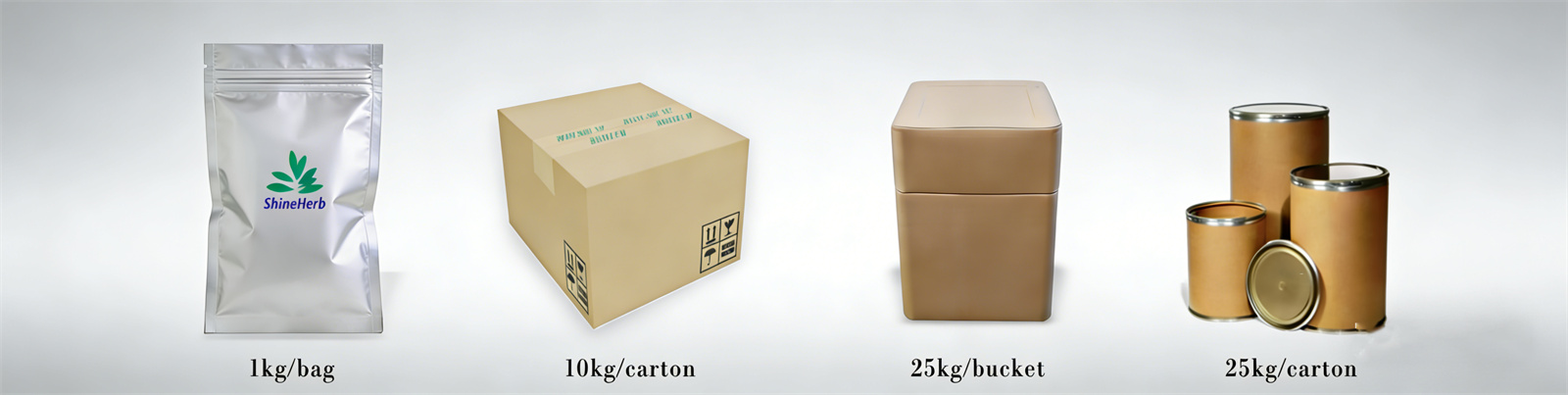
Packing
Weight Packing Method
1kg bag/kg, box outside (double plastic bag + Aluminum foil bag inside)
10kgs, 25kg or more by Drums or carton (2 layers plastic bag inside)
packaging
Delivery
Weight Delivery Method Delivery Time Destination
1kg – 25kgs EMS, DHL, UPS, FedEx 3–7 days Door to door
25kgs – 100kgs DHL, FedEx, by Air 3–7 days Door to door (to Airport by Air)
More than 100kgs by Air 3–7 days Door to Airport
by Sea 10–35 days Door to port
Logistics
Logistics
Frequently Asked Questions (FAQ)
Q
What is pepsin and where does it come from?
Pepsin is a digestive protease secreted by gastric chief cells in the stomach. It is activated from pepsinogen by gastric acid. Our commercial pepsin is mainly extracted from porcine gastric mucosa and meets both food-grade and pharmaceutical-grade standards.
Q
What is the optimal pH range for pepsin activity?
The optimal working pH for pepsin is 1.5–5.0. In neutral or alkaline solutions, pepsin will denature and permanently lose its enzymatic activity. For protein hydrolysis applications, a pH of 2.0–2.5 is recommended.
Q
What are the main applications of pepsin?
Pepsin is widely used across multiple industries: in the pharmaceutical industry for digestive health products; in the food industry for protein hydrolysis, cheese production, and meat processing; and in nutritional supplements to support gastrointestinal function and efficient protein breakdown.
Q
What are the recommended conditions for using pepsin in protein hydrolysis?
For protein hydrolysis, the recommended conditions are: dosage of 5–15 U/g of dry protein, hydrolysis temperature of 40–50 °C, hydrolysis time of 2–4 hours, and a pH of 2.0–2.5.
Q
How should pepsin be stored to maintain its activity?
Pepsin should be stored in a cool, dry place away from light, at a temperature below 0 °C. Avoid prolonged exposure to high temperature or humidity, as these conditions will reduce enzyme activity. If storage conditions are suboptimal, a slight increase in dosage during application is recommended.
Q
What packaging and shipping options are available for pepsin?
Pepsin is available in 1 kg bags (double plastic + aluminum foil inner bag) and 10 kg / 25 kg+ drums or cartons. For shipments of 1–25 kg, express couriers such as DHL, UPS, FedEx, or EMS deliver in 3–7 days. Larger orders can be shipped by air (3–7 days) or sea freight (10–35 days).

Related Products