High-purity botanical extracts, active enzymes, and functional cosmetic raw materials direct from our GMP factory.
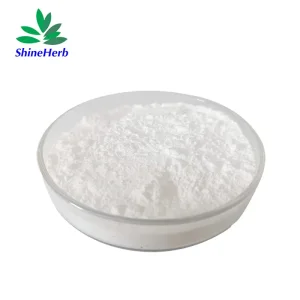
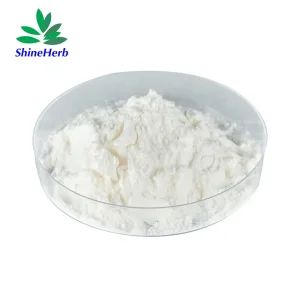
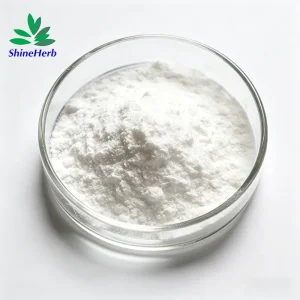
Lactase (EC 3.2.1.23), scientifically classified as β-galactosidase, is the critical enzyme responsible for hydrolyzing lactose—a disaccharide abundant in mammalian milk—into its constituent monosaccharides, D-glucose and D-galactose. In industrial and therapeutic contexts, selecting the correct microbial host is vital to target specific pH environments.
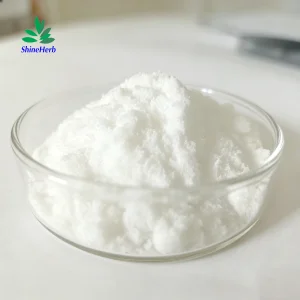
Acid Lactase Powder is derived via submerged fermentation of selected strains of the filamentous fungus Aspergillus oryzae. Unlike neutral lactases extracted from yeasts such as Kluyveromyces lactis, acid lactase exhibits exceptional structural stability and catalytic activity in acidic media (pH range of 3.5 to 5.5). This characteristic makes it the gold standard for dietary supplements targeted at surviving the harsh, acidic conditions of the human stomach before reaching the upper small intestine.
| Parameter | Acid Lactase | Neutral Lactase |
|---|---|---|
| Source | Aspergillus oryzae | Kluyveromyces lactis |
| Optimum pH | 4.0 – 4.5 | 6.5 – 7.0 |
| Temp Stability | Up to 55°C | Up to 40°C |
| Key Use Case | OTC Supplements / Acidic Dairy | Fluid Milk Processing |
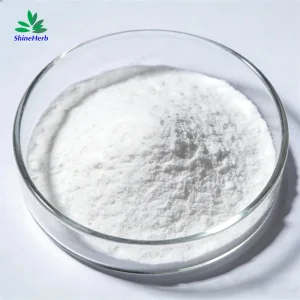
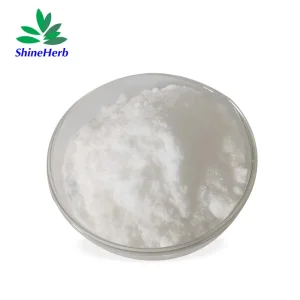
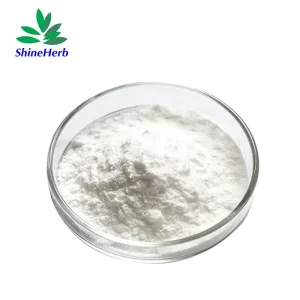
ShineHerb Biotech delivers high-activity, standardized Acid Lactase Powder produced under strict GMP control. We guarantee consistent enzyme activity, chemical purity, and microbiological safety.
| Specification Index | Standard Reference Value | Testing Method / Regulation |
|---|---|---|
| Appearance | Light yellow to off-white, free-flowing powder | Visual Inspection |
| Enzyme Activity | 10,000 FCC ALU/g to 100,000 FCC ALU/g (Customizable) | FCC Current Edition / Photometric Rate Assay |
| Loss on Drying | ≤ 8.0% | USP <731> (105°C, 5 hours) |
| Heavy Metals (as Pb) | ≤ 10 ppm | ICP-MS Method |
| Lead (Pb) | ≤ 2.0 ppm | ICP-MS Method |
| Arsenic (As) | ≤ 1.0 ppm | ICP-MS Method |
| Total Plate Count | ≤ 10,000 CFU/g | USP <2021> / Plate Count |
| Coliforms | ≤ 30 CFU/g | BAM Chapter 4 |
| Salmonella | Negative in 25g | USP <2022> / Automated PCR Detection |
| Escherichia coli | Negative in 10g | USP <2022> / Selective Culture |
How manufacturers around the globe formulate and apply Acid Lactase Powder to meet regional market demands.
Widely used in OTC dietary supplement formulations. Because Aspergillus oryzae-derived lactase remains stable at pH 4.0, it tolerates gastric acid. When consumed immediately prior to dairy ingestion, it starts hydrolyzing lactose in the stomach, minimizing downstream gas, bloating, and osmotic diarrhea in lactose-intolerant populations.
Whey Protein Concentrates (WPC) contain residual lactose that causes digestive discomfort for many fitness enthusiasts. Dry-blending Acid Lactase Powder directly into whey powders allows for in-situ enzymatic hydrolysis when the user mixes the shake with water or milk, creating a stomach-friendly, high-protein formula.
Infant colic is often linked to transient lactase deficiency. Liquid pediatric lactase drops formulated with high-purity, low-heavy-metal Acid Lactase Powder can be added to breast milk or warm formula before feeding. Because infants have a higher gastric pH than adults, acid lactase functions effectively inside their digestive tracts.
We are a professional, GMP-compliant manufacturer specializing in the research, development, production, and global export of high-grade enzyme preparations, active plant extracts, vitamins, amino acids, and high-purity pharmaceutical intermediates. Leveraging over 20 years of hands-on experience in the raw materials industry, we deliver optimized stability, high biocatalytic activity, and dependable chemical purity.
Our operational headquarters and state-of-the-art R&D centers are located in the high-tech industrial cluster of Xi'an, Shaanxi Province, China. From raw material sourcing through submerged fermentation and downstream purification, we enforce strict compliance with international pharmacopeia standards including USP, EP, and CP.


Why global brands trust Shaanxi ShineHerb Biotech as their core ingredient manufacturer.
Our factory utilizes fully automated bioreactors to control temperature, pH, dissolved oxygen, and nutrient feeding. This precise control over the cultivation of Aspergillus oryzae yields batch-to-batch consistency and high-titer enzyme production, significantly reducing unit costs.
Our extraction lines feature multi-stage ultrafiltration, ceramic membrane concentration, and spray-drying systems. This technology removes unwanted microbial metabolites, pigments, and odors, resulting in a highly soluble, neutral-tasting powder with low heavy metal limits.
Located in the Xi'an Hi-Tech Zone, we utilize China's integrated transport corridors. We offer flexible shipping modes including air freight (FedEx, DHL, UPS), sea cargo, and China-Europe rail lines. We also provide DDU/DDP delivery routes to simplify customs clearance in North America, Europe, and Southeast Asia.
Review our standard operating procedures, R&D labs, and cleanroom facilities via these video tours.
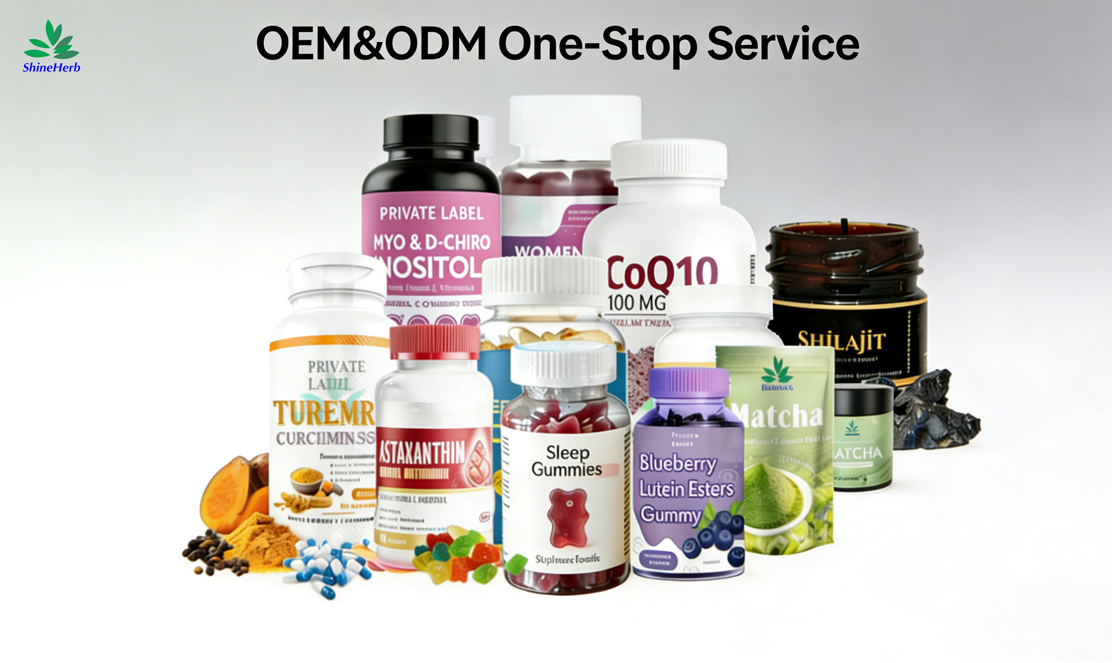
ShineHerb Biotech supports brands from initial formulation through to finished retail packaging. Our GMP-certified contract manufacturing division offers high flexibility and strict quality control for private label products.

How our scientific research team is advancing lactase bio-stability and activity profiles.
Developing robust, food-safe inorganic silica carriers to bind Acid Lactase. This will enable industrial fluid dairy lines to run packed-bed reactor systems, allowing continuous lactose hydrolysis without leaving enzyme residues in the final products.
Improving the thermal stability of A. oryzae strains via enzyme directed-evolution technology. This allows the enzyme to survive spray drying and warm mixing environments without losing functional activity.
Isolating and engineering psychrophilic (cold-active) lactase enzymes. These variants maintain optimal catalytic speeds at refrigeration temperatures (4–8°C), enabling batch hydrolysis in cold storage without risk of microbial contamination.
We maintain a comprehensive certification portfolio to support smooth customs clearance and verification across key international markets.

Good Manufacturing Practice. Rigid production standards ensure clean batch operations.

U.S. Food & Drug Administration compliance for dietary supplement ingredients.

International standards for quality management and food safety systems.

Strict verification of chemical purity, heavy metals, and enzymatic activity assays.

Technical clarifications and formulation insights from our lab researchers to help solve product development challenges.
Acid Lactase (derived from Aspergillus oryzae) has an optimal operational pH of 4.0 to 4.5. It remains highly stable and active down to a pH of 3.0. Neutral Lactase (derived from yeast species like Kluyveromyces lactis) requires a pH range between 6.5 and 7.0 and is rapidly denatured in acidic media below pH 5.5. For this reason, oral capsules and tablets use Acid Lactase to survive gastric acids, whereas fluid milk processing utilizes Neutral Lactase.
Activity is measured in Acid Lactase Units (ALU) using the Food Chemicals Codex (FCC) method. The assay monitors the rate of hydrolysis of o-nitrophenyl-β-D-galactosidase (ONPG) substrate at a pH of 4.5 and a temperature of 37°C. Under these conditions, the enzyme releases o-nitrophenol, which is then measured spectrophotometrically at 420 nm to determine the absolute activity rating.
We typically use food-grade, high-solubility maltodextrin as the standard carrier to adjust high-activity enzyme concentrates to specified target activities (e.g., 100,000 ALU/g). Upon request, we can formulate using non-GMO cornstarch, dextrin, or organic microcrystalline cellulose to meet specific clean-label or clean-room flowability requirements.
Like most enzymes, lactase is heat-sensitive. Under dry conditions, its heat tolerance is slightly higher. However, in aqueous solutions, it begins denaturing above 55°C and is quickly inactivated at temperatures exceeding 70°C. For industrial formulations (such as liquid formulas or milk powders), we recommend adding the enzyme after the pasteurization and cooling stages (under 45°C) to prevent thermal inactivation.
Our Acid Lactase Powder is specified at ≤8.0% moisture content (typically holding at 4.0–6.0%). Keeping water activity low is critical to prevent molecular structural collapse and premature enzyme activation. When stored in its original, unopened fiber drum at cool temperatures (below 20°C) and protected from light, the enzyme retains its specified activity for at least 24 months.
Discover more high-purity natural extracts, enzymes, and nutritional supplements manufactured in our facilities.
 ShineHerb