 ShineHerb
1 / 2
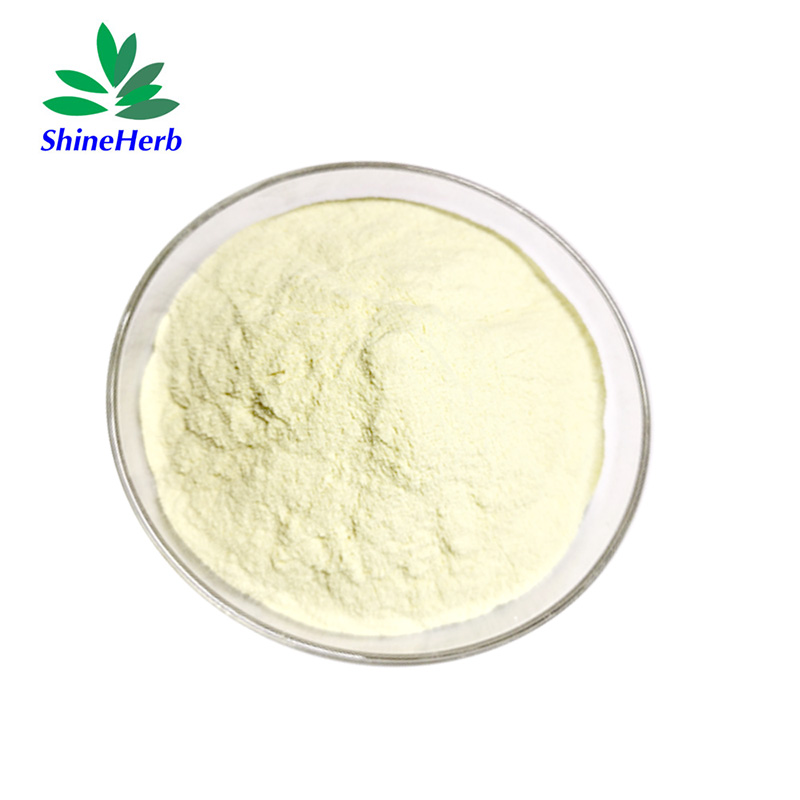
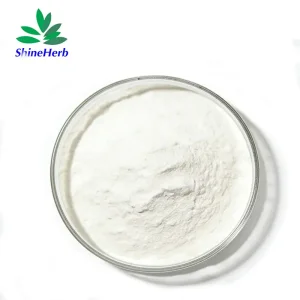
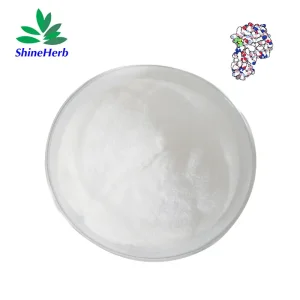
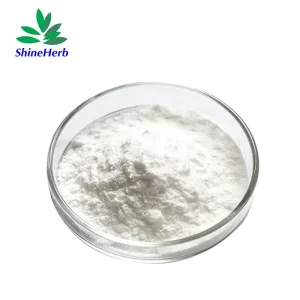
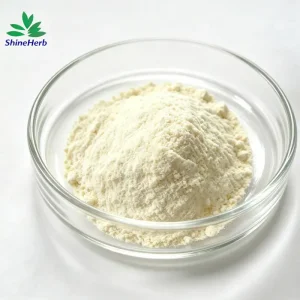
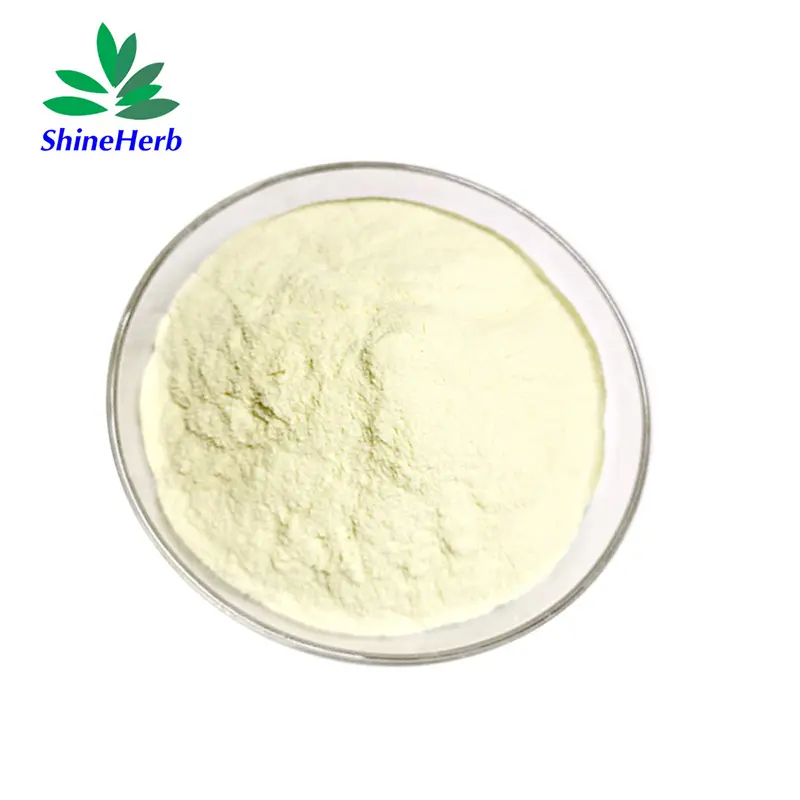
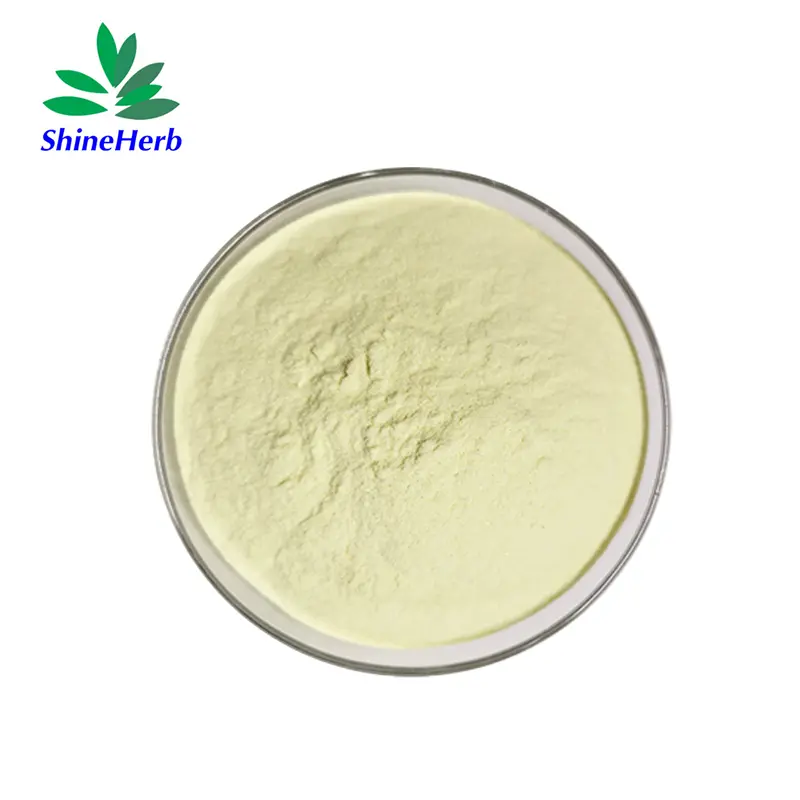
Glucoamylase is refined through submerged fermentation of selected high-quality Aspergillus niger strains. It efficiently hydrolyzes the α-1,4 and α-1,6 glycosidic bonds at the non-reducing ends of liquefied starch. During hydrolysis, glucose units are cleaved off one by one from the non-reducing terminals of molecular chains.
Free of transglucosidase activity, this glucoamylase delivers a higher glucose yield and cuts the generation of isomaltose during saccharification.
Glucoamylase is widely used in industries such as starch sugar, fermented wine, distilled spirits and edible alcohol.
Store in a cool, dry place away from light. Recommended storage temperature: below 0°C.
Enzyme activity may decrease to varying degrees if stored for an excessively long time or under unfavorable conditions. If temperature or humidity is too high, an appropriate increase in dosage is recommended during application.
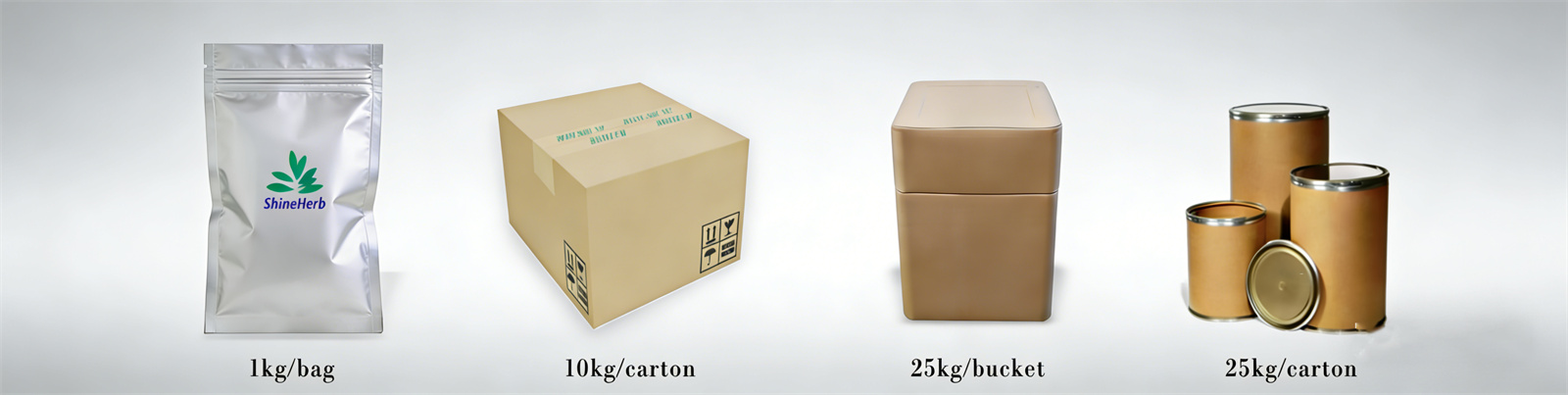
| Weight | Packing method |
|---|---|
| 1kg | bag/kg, box outside (double plastic bag + Aluminum foil bag inside) |
| 10kgs, 25kg or more | by Drums or carton (2 layers plastic bag inside) |
| Weight | Delivery method | Delivery time | Destination |
|---|---|---|---|
| 1kg-25kgs | EMS, DHL, UPS, Fedex | 3-7days | Door to door |
| 25kgs-100kgs | DHL, FedEx, by Air | 3-7days | Door to door (to Airport by Air) |
| more than 100kgs | by Air | 3-7days | Door to Airport |
| by Sea | 10-35days | Door to port |

Glucoamylase is refined through the submerged fermentation of specifically selected high-quality Aspergillus niger strains.
The optimal working temperature range is between 58℃ and 60℃, and the optimal working pH is between 4.0 and 4.5.
The general recommended dosage is 1‰ to 2‰ based on the total weight of the material being processed.
It is widely utilized in starch sugar production, fermented wine, distilled spirits, and the edible alcohol industries.
It should be stored in a cool, dry place away from light, with a recommended storage temperature below 0°C to preserve activity levels.