 ShineHerb
1 / 3
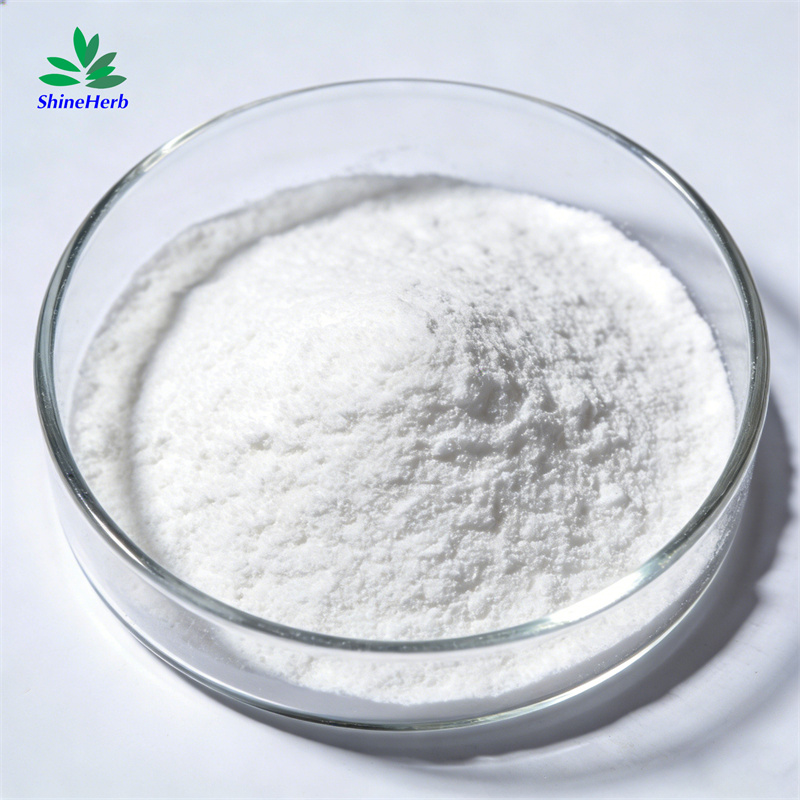
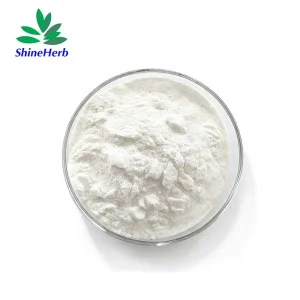
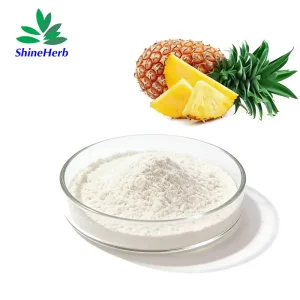
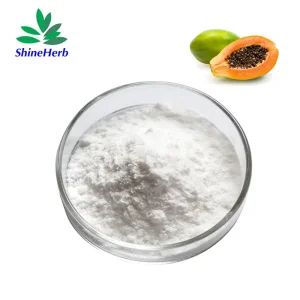
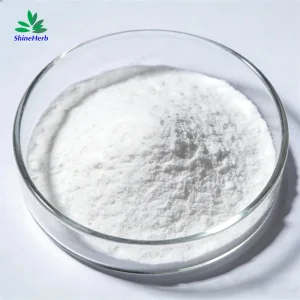
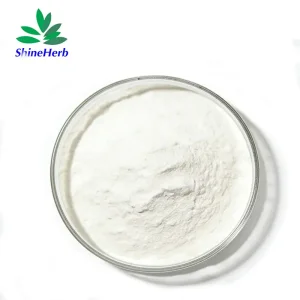
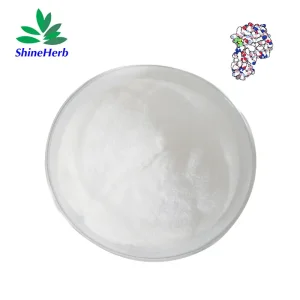
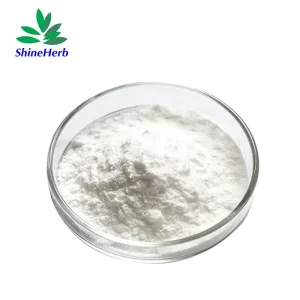
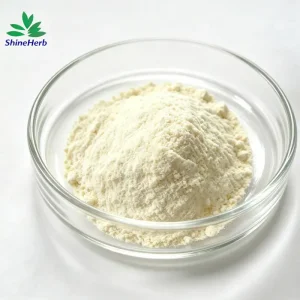
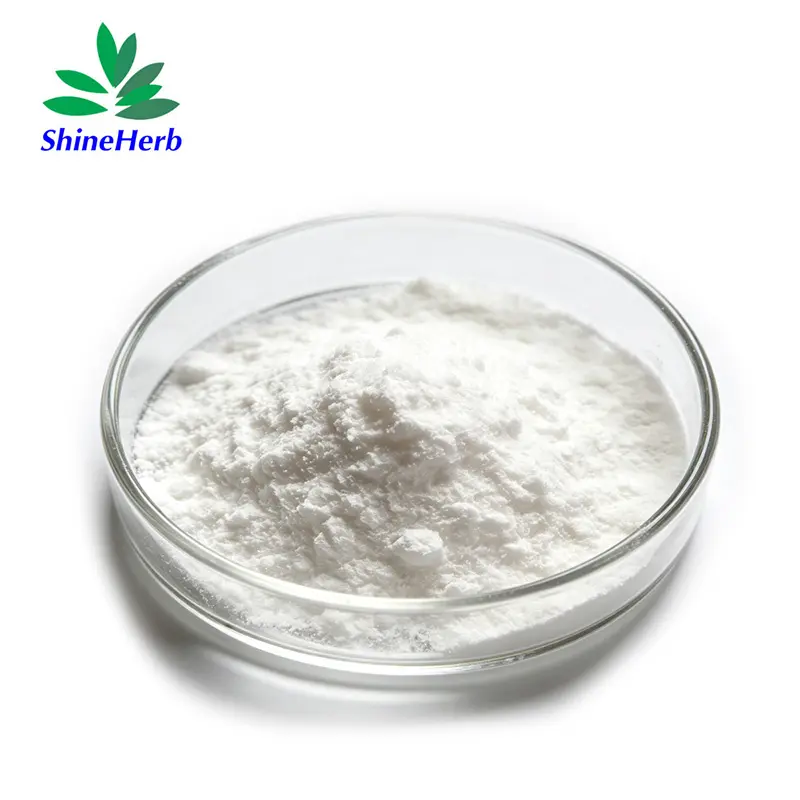
Pancreatin is a complex enzyme obtained through extraction, purification and formulation. It contains protease, lipase, amylase and other active components, with strong capacity to break down proteins, fats and other substances. It is widely used in food, medical treatment, brewing, silk, leather manufacturing and other industries.
Pancreatin is a mixture of digestive enzymes secreted by the pancreas or extracted from animal pancreatic tissue. It mainly consists of trypsin, pancreatic lipase and pancreatic amylase.
Pancreatin breaks down proteins and helps the body absorb nutrients. In the medical field, it is also commonly used to assist in the treatment of wounds and inflammations, as well as to promote the absorption of pharmaceuticals.
Our products comply with international food safety standards. We provide papain with various enzyme activity units according to customer requirements, including TU/mg, USP unit/mg, IU/mg, and MU/mg.

| Product Name: | PANCREATIN(10X) | Part Plant: | Porcine pancreas glands |
| Origin: | China | Manufacturer Date: | 01.22,2026 |
| Batch No. | SH260122PA10 | ||
| ITEMS OF ANALYSIS | SPECIFICATIONS | RESULTS | |
|---|---|---|---|
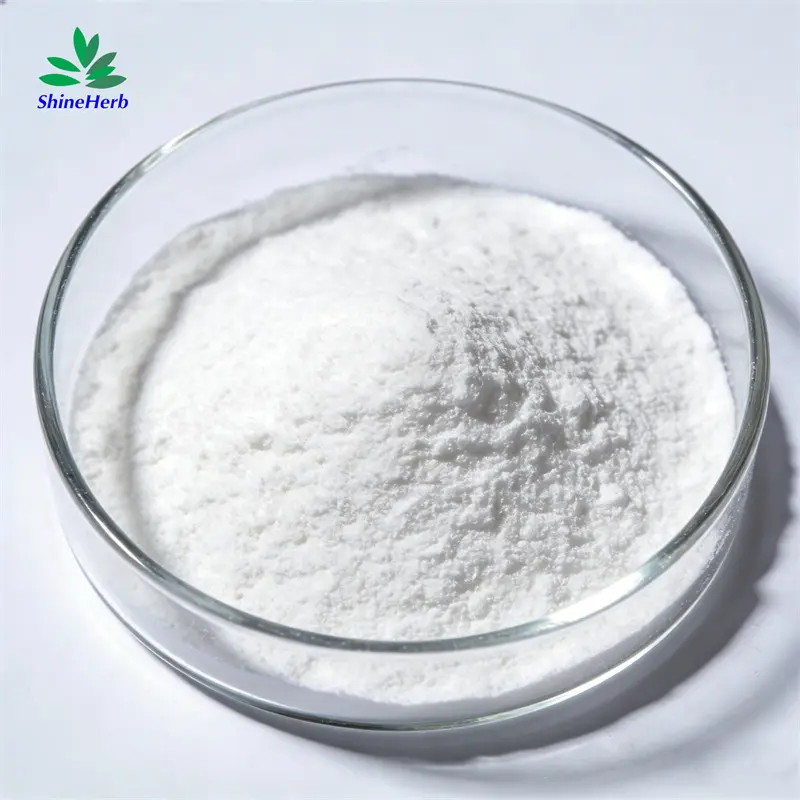
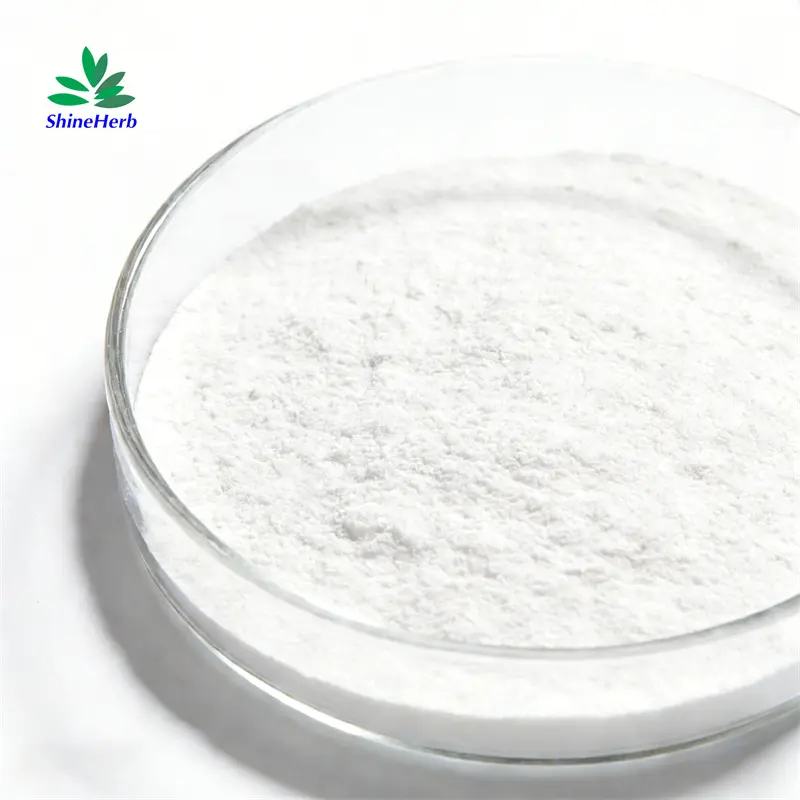
| Appearance | Fine white to creamy powder with characteristic odour and taste,no putrid smell | Conform | |
| Identification | Conform | Conform | |
| Particle size | 80 mesh | Conform | |
| Solubility | Partly soluble in water,insoluble in ethanol and ether | Conform | |
| Protease | NLT 250 USP u/mg | 264 USP u/mg | |
| Amylase | NLT 250 USP u/mg | 262 USP u/mg | |
| Lipase | NLT 20 USP u/mg | 23 USP u/mg | |
| Loss on drying | ≤5.0% | 3.36% | |
| Fat content | ≤20mg/g | 12mg/g | |
| Microbiology | |||
| E.Coli | Negative | Negative | |
| Aerobic bacteria | NMT 10,000cfu/g | NMT 1100cfu/g | |
| Yeast and mould | NMT 100cfu/g | NMT 10cfu/g | |
| Salmonella | Negative | Negative | |
| Storage | STORED HUMIDITY PROTECTED (RH LESS THAN 60) AT TEMPERATURE BELOW 25°C | ||
| Shelf Life | 1 Year when Properly Stored | ||
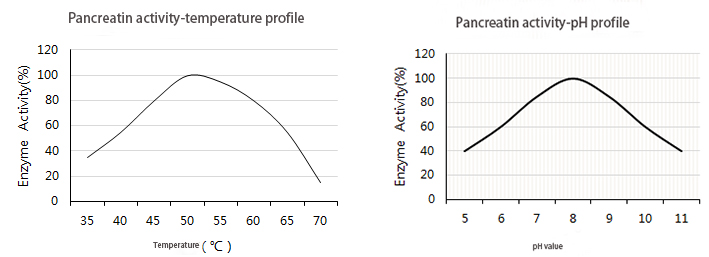
Hydrolysis temperature: 50 °C
Substrate concentration: 25–50%
pH value: 7.5-8.5
Enzyme dosage: 0.15–0.2% (based on substrate weight)
Hydrolysis time: 4–6 hours
Store in a cool, dry place away from light. Recommended storage temperature: below 0°C.
Enzyme activity may decrease to varying degrees if stored for an excessively long time or under unfavorable conditions. If temperature or humidity is too high, an appropriate increase in dosage is recommended during application.
| Weight | Packing method |
|---|---|
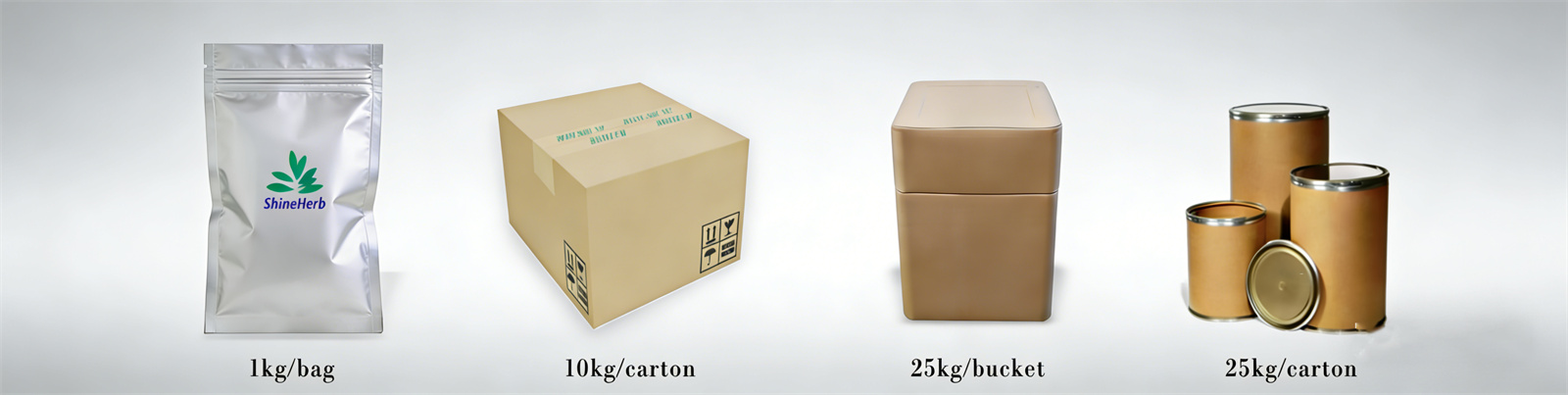
| 1kg | bag/kg, box outside (double plastic bag + Aluminum foil bag inside) |
| 10kgs, 25kg or more | by Drums or carton (2 layers plastic bag inside) |
| Weight | Delivery method | Delivery time | Destination |
|---|---|---|---|
| 1kg-25kgs | EMS, DHL, UPS, Fedex | 3-7days | Door to door |
| 25kgs-100kgs | DHL, FedEx, by Air | 3-7days | Door to door (to Airport by Air) |
| more than 100kgs | by Air | 3-7days | Door to Airport |
| by Sea | 10-35days | Door to port |