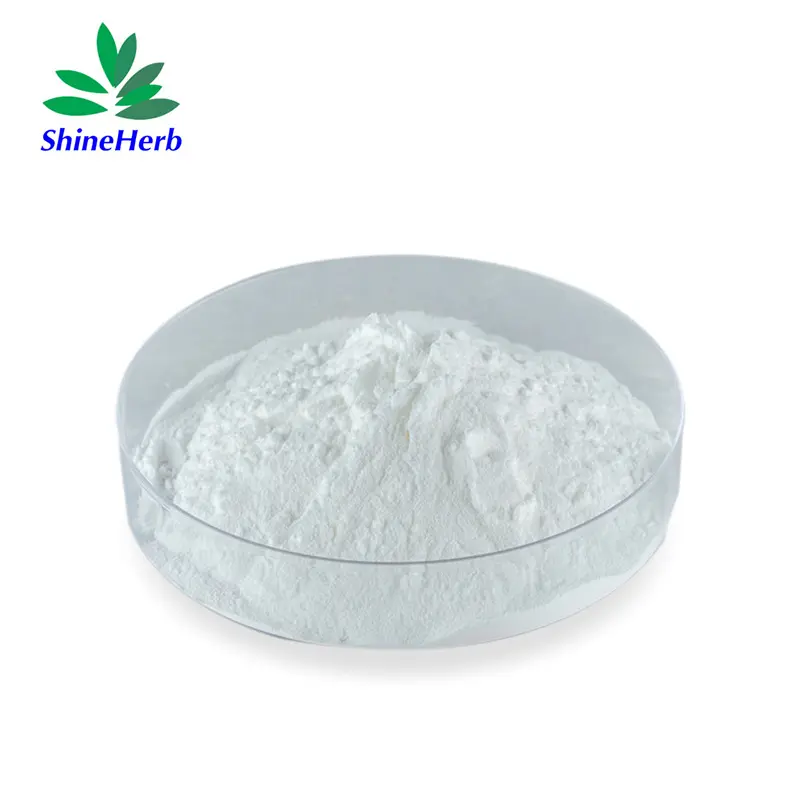
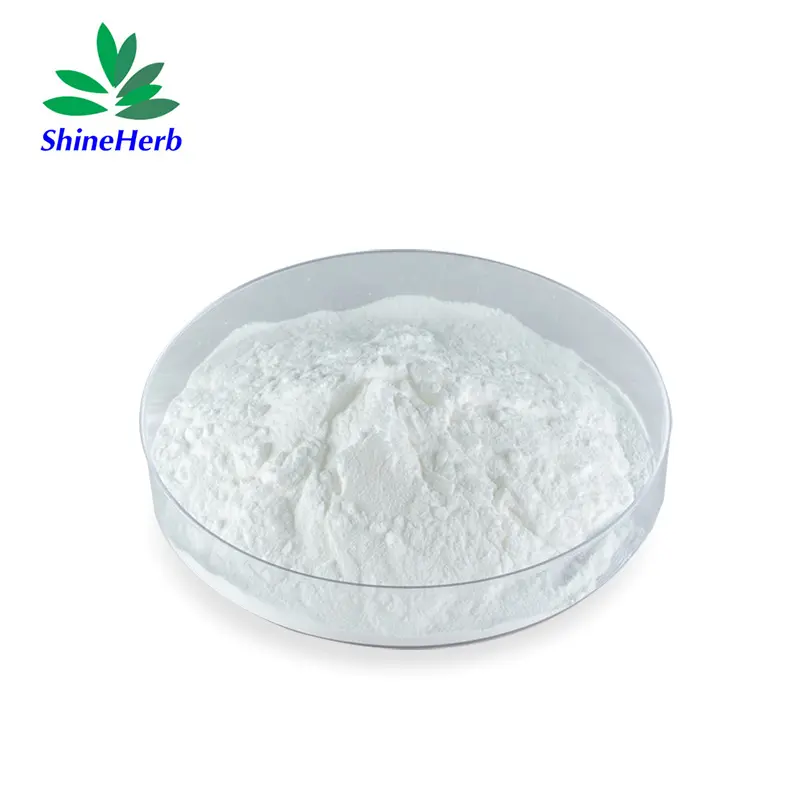
Best Food Grade Tannase Enzyme Powder CAS 9025-71-2 High Activity Remove Astringency for Instant Tea Exporter, Factory

Product name:Tannase
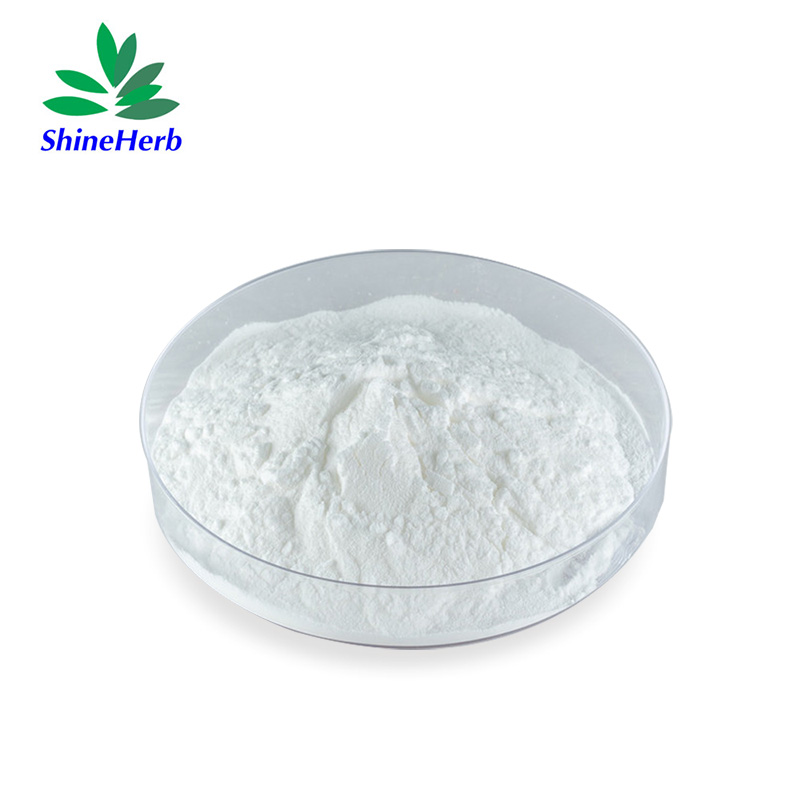
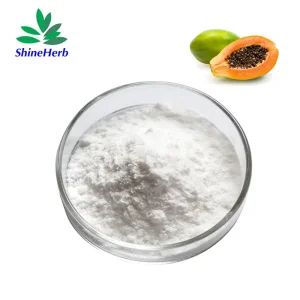
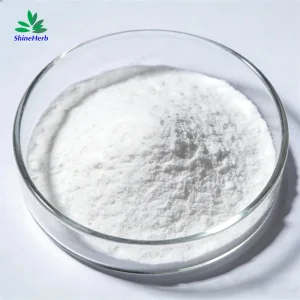
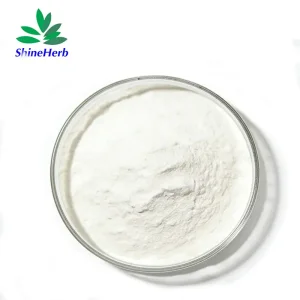
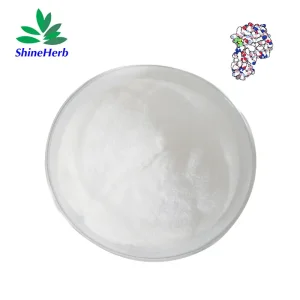
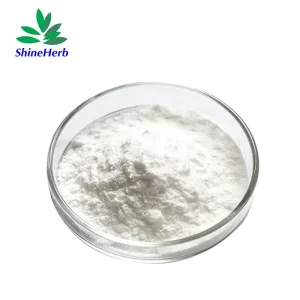
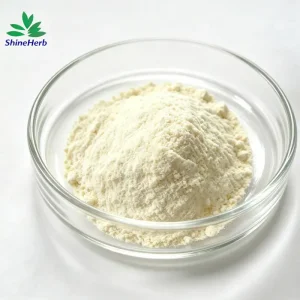
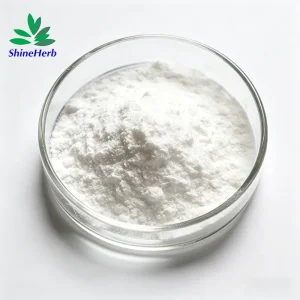
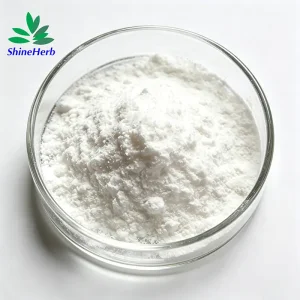
Apperance: White powder
Specification:500u/g
Test method:HPLC/UV
Delivery : EXW,FOB,CFR,CIF,DAP,DDP
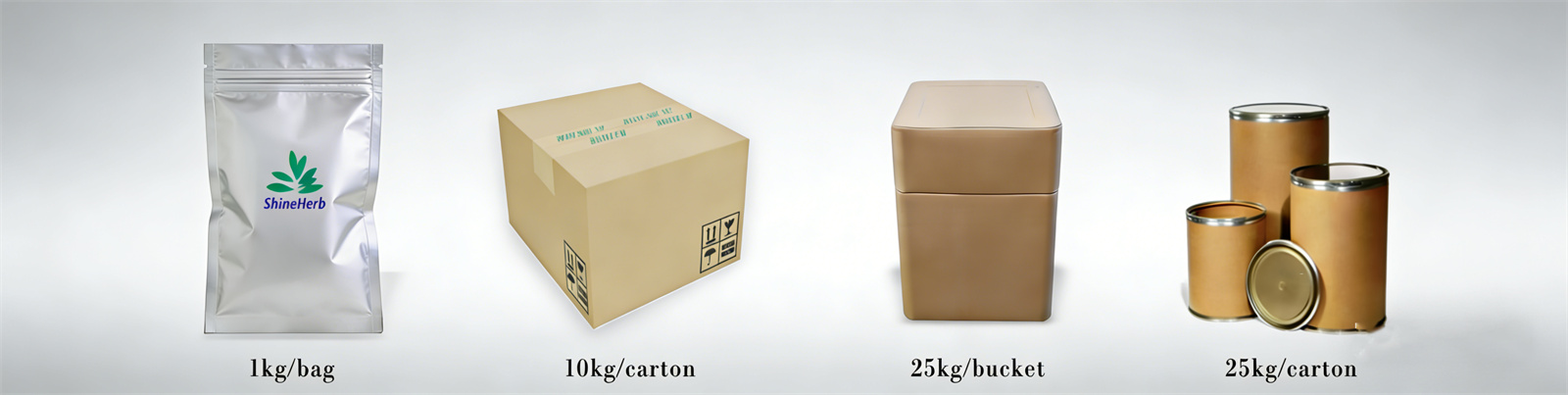
Packaging: 20 kgs/drum or customized packaging available
Payment :  T/T bank transfer, Western Union,PayPal
Shelf time:2 years,keep away sunlight, keep dry

Product Description

Product description

akk-1

Tannase, also known as tanninase, is a tannin acyl hydrolase. Besides being found in tannin-rich plants, tannase is widely distributed in microorganisms.

For acids bearing two phenolic groups, tannase cleaves the ester linkage between catechol and gallic acid, releasing gallate anions from tannic acid, and exhibits strong hydrolytic activity toward tannins.

It can be applied to treat tannins and proteins in beer to achieve clear and transparent liquor. It also removes astringency from persimmons and other foods, produces instant tea, and prevents turbidity in fermented tea.

Product feature

Tannase is a specific enzyme capable of solubilizing tea cream. It breaks the ester bonds between catechol and gallic acid to hydrolyze bitter ester-type catechins. The released gallate anions compete with theaflavins and thearubigins for caffeine, forming low-molecular-weight water-soluble short-chain compounds. This reduces turbidity of tea infusion, raises raw material extraction rate, increases the content of soluble substances, alleviates bitter and astringent tastes, and enhances tea aroma.
Tannase hydrolyzes polyphenols to deliver clarification effects.
Tannase hydrolyzes ester bonds and depside bonds in gallotannins to produce gallic acid and glucose, and reduces astringency in fruit juice.
It remains active at pH 3.0–8.0 with an optimal pH range of 4.0–6.0. Its thermal stability threshold is below 70–80 °C, and the optimal reaction temperature ranges from 35 to 60 °C.
Definition of Enzyme Activity
One unit (U) of tannase activity is defined as the amount of enzyme required to release 1 μmol gallic acid per minute by degrading propyl gallate (PG) solution at 30 °C and pH 5.0.

Functions & Applications

Tannase can be applied to treat tannins and proteins in beer to improve clarity.
It removes or mitigates bitter and astringent tastes in tea beverages, fruit juices and other food products.
It is used for instant tea production to prevent haze in fermented tea and cold turbidity of tea drinks.
It processes tea extracts to raise the content of tannins and caffeine in the extract liquid.

Storage

Store in a cool, dry place away from light. Recommended storage temperature: below 0°C.

Enzyme activity may decrease to varying degrees if stored for an excessively long time or under unfavorable conditions. If temperature or humidity is too high, an appropriate increase in dosage is recommended during application.
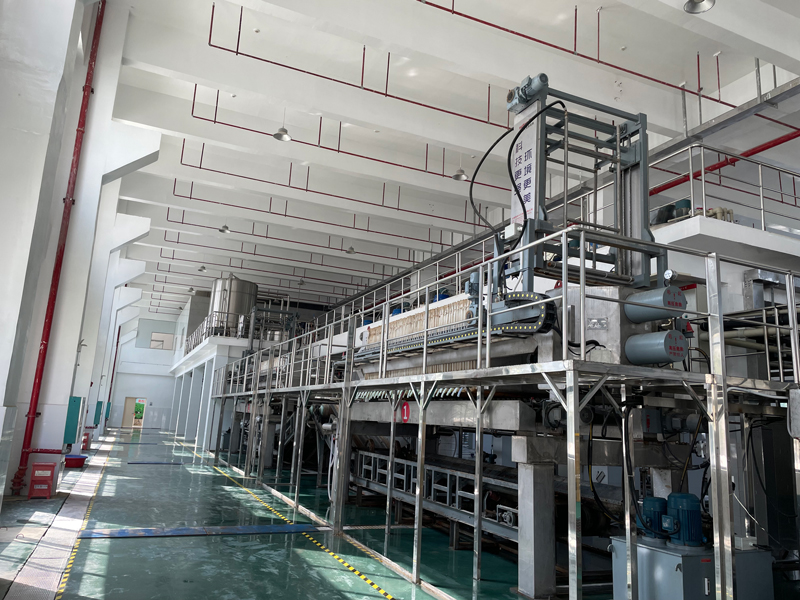
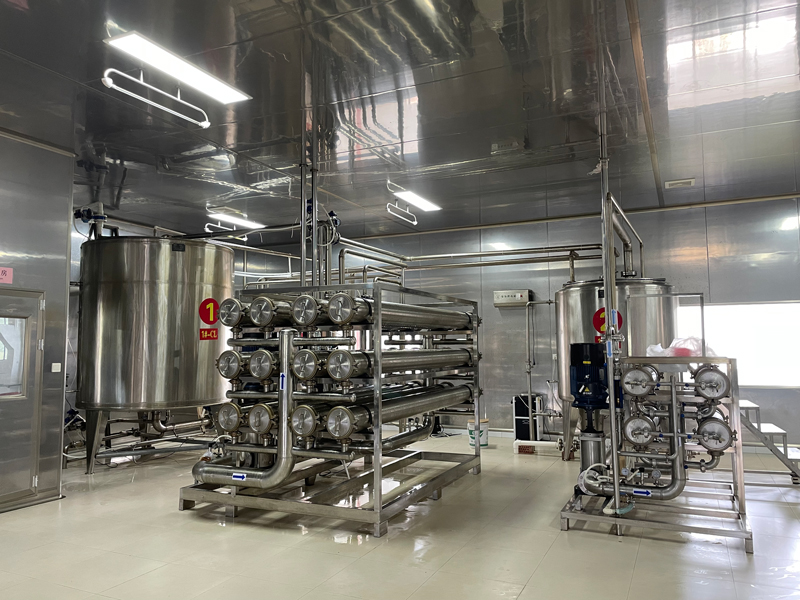
Production-workshop-bromelain-1 Production-workshop-bromelain-2 Production-workshop-bromelain-3

Packing

Weight Packing method
1kg bag/kg, box outside (double plastic bag + Aluminum foil bag inside)
10kgs, 25kg or more by Drums or carton (2 layers plastic bag inside)
packaging

Delivery

Weight Delivery method Delivery time Destination
1kg-25kgs EMS, DHL, UPS, Fedex 3-7 days Door to door
25kgs-100kgs DHL, FedEx, by Air 3-7 days Door to door (to Airport by Air)
more than 100kgs by Air 3-7 days Door to Airport
by Sea 10-35 days Door to port

Logistics

Logistics
Frequently Asked Questions
What is Tannase and what are its primary sources?
Tannase (tannin acyl hydrolase) is a specific enzyme that cleaves the ester linkages in tannins. It is found naturally in tannin-rich plants and is widely distributed and produced via microorganisms.
How does Tannase improve the quality of tea beverages?
Tannase solubilizes tea cream by hydrolyzing bitter ester-type catechins. This reduction in complex formation minimizes turbidity (haze) in tea infusions, elevates the overall content of soluble substances, and eases the bitter and astringent tastes to enhance the overall tea aroma.
What are the optimal reaction pH and temperature ranges for Tannase?
Tannase remains active within a pH range of 3.0 to 8.0, with an optimal pH range of 4.0 to 6.0. Its optimal reaction temperature ranges from 35 °C to 60 °C, and its thermal stability threshold is below 70–80 °C.
What is the standard storage requirement for preserving enzyme activity?
It is recommended to store Tannase in a cool, dry place away from light, at a temperature below 0 °C. Storing it under hot or humid conditions for extended periods may decrease activity, which would require an increase in dosage during application.
What packaging configurations are available for different order sizes?
For smaller requirements of 1kg, packaging features an aluminum foil bag with a double plastic lining inside an outer box. For larger orders of 10kg, 25kg, or more, it is packed inside sturdy drums or cartons containing a 2-layer plastic lining.

Related Products