 ShineHerb
Lichen Extract Bioactives: Industrial White Paper
Understanding the Chemistry, Extraction Technologies, and Broad-Spectrum Applications of Lichen Metabolites
Chemical Fingerprint
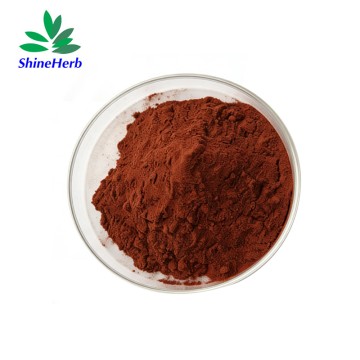
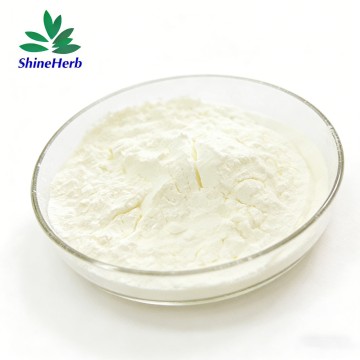
Lichens are complex symbiotic associations between fungi (mycobionts) and algae/cyanobacteria (photobionts). This specific relationship produces complex secondary metabolites including Usnic Acid, Atranorin, Gyrophoric Acid, and unique polysaccharides (Lichenin) with potent antimicrobial and antioxidant characteristics.
Extraction Methods
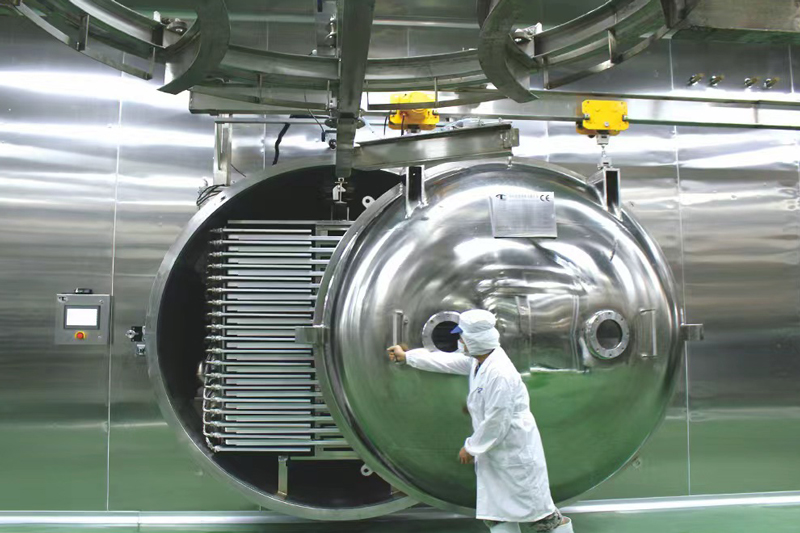
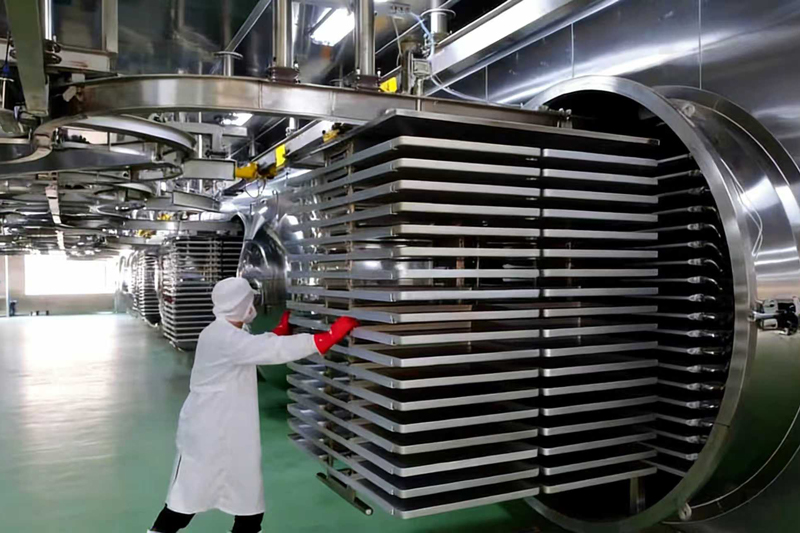
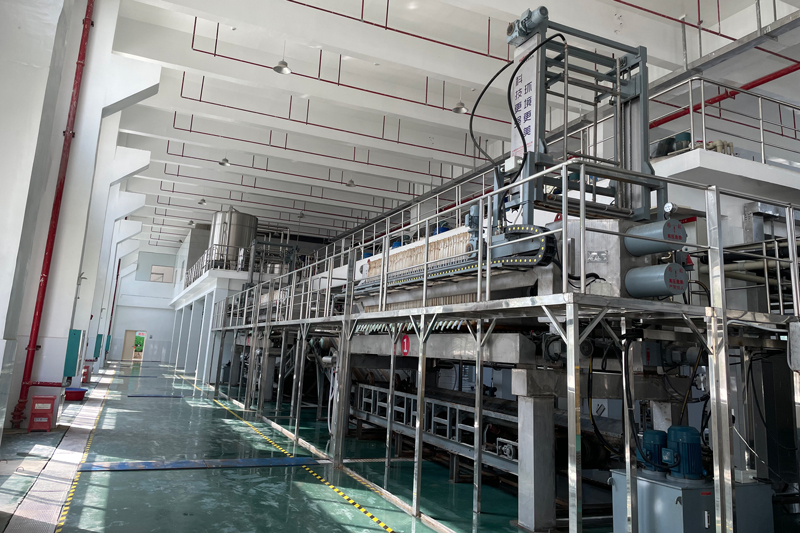
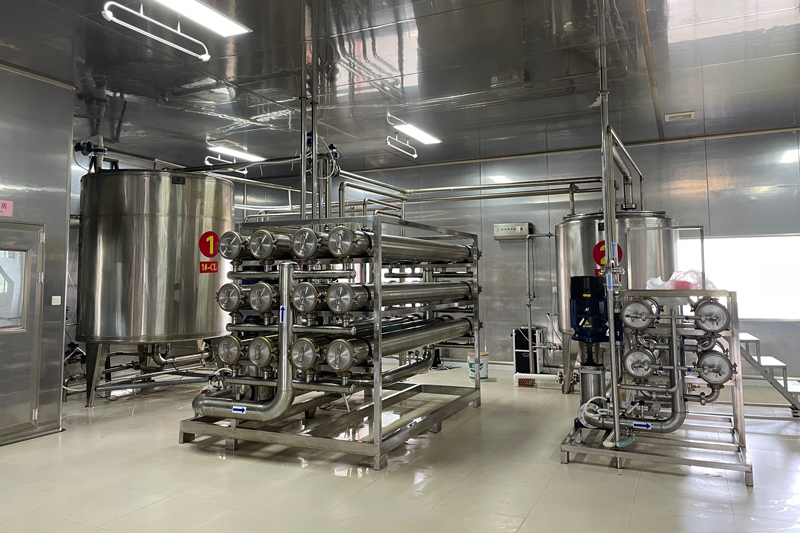
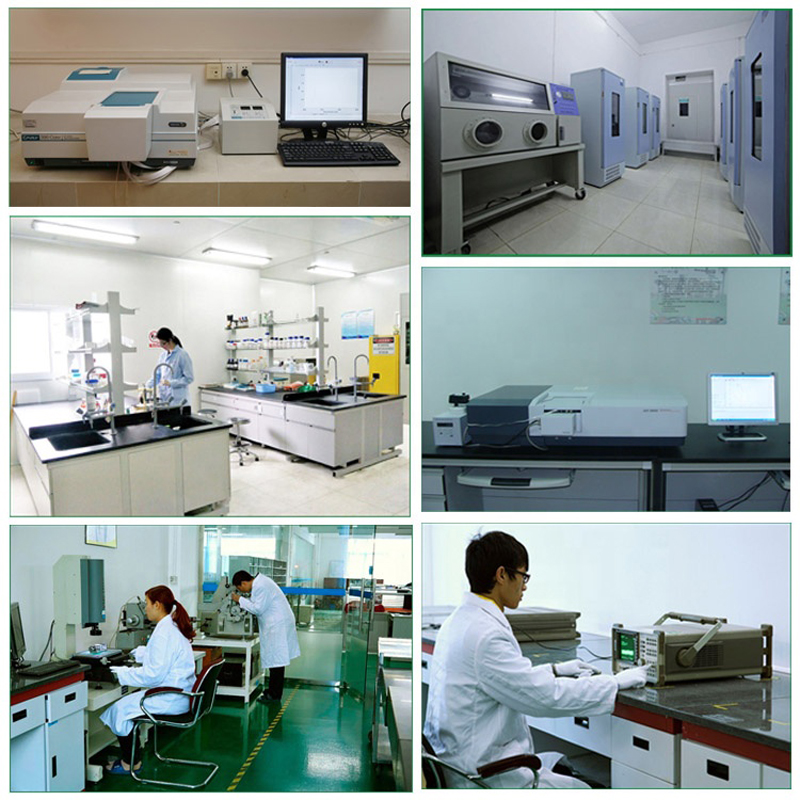
Our extraction lines utilize Supercritical Fluid Extraction (SFE-CO2) alongside optimized food-grade Ethanol systems. This dual technical approach guarantees standardizations of Usnic Acid up to 98% purity, while eliminating risk of chlorinated solvent residue.
Sustainable Sourcing
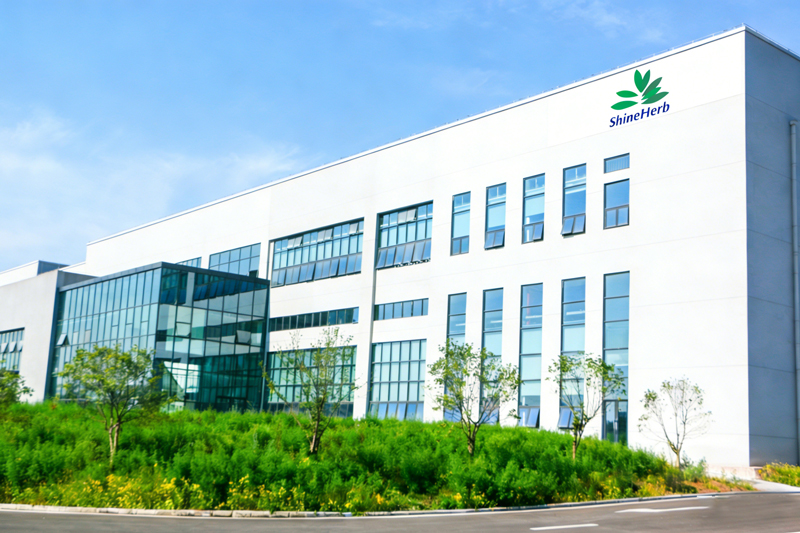
To mitigate the slow ecological growth rates of wild lichens, Shaanxi ShineHerb Biotech Co., Ltd. uses strict collection policies that prevent habitat damage and leverages fungal bioreactor culture developments to secure reliable raw material supply.
1. Biochemical Classification of Lichen Secondary Metabolites
Lichens synthesize chemical compounds that are structurally distinct from conventional vascular plants. The primary active of industrial interest is Usnic Acid (C18H16O7), a dibenzofuran derivative found in abundance in genera such as Usnea, Cladonia, and Lecanora. Usnic Acid exhibits strong antimicrobial, antiviral, and anti-inflammatory pathways by uncoupling oxidative phosphorylation in target microbes.
Beyond dibenzofurans, lichen extracts yield high concentrations of Depsides (e.g., Atranorin) and Depsidones, which display natural UV-filtering capabilities and serve as excellent antioxidant systems for cosmetic formulation stabilization. Furthermore, the structural polysaccharides Lichenin (a beta-glucan) and Isolichenin (an alpha-glucan) offer valuable immunomodulatory benefits for high-end nutracuetical formulations.
| Bioactive Component | Primary Botanical Source | Active Marker / Assay | Industrial Application |
|---|---|---|---|
| Usnic Acid | Usnea barbata / Usnea longissima | 95% - 98% HPLC | Natural Preservative, Acne Treatment, Antibiotic Formulations |
| Lichenin (Beta-Glucan) | Cetraria islandica (Iceland Moss) | 30% - 50% Polysaccharides | Immunomodulation, Skin Barrier Repair, Gelling Agent |
| Atranorin | Evernia prunastri (Oakmoss) | Standardized Extract / Powder | Fragrance Fixative, Natural UV Protection, Brightening Agents |
| Vegan Vitamin D3 | Cladonia rangiferina (Reindeer Lichen) | 100,000 IU/g - 1,000,000 IU/g | Plant-based Nutraceuticals, Fortified Food & Beverages |
2. Industrial Supercritical CO2 Extraction vs. Organic Solvent Routes
As a global supplier, Shaanxi ShineHerb Biotech Co., Ltd. employs two main extraction methodologies to satisfy varying formulation requirements and regulatory parameters:
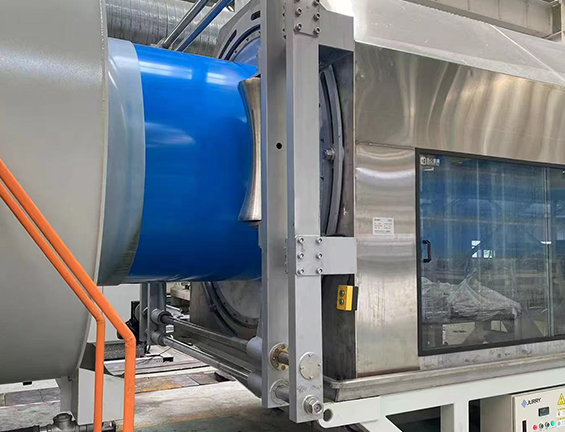
- Supercritical Carbon Dioxide (SFE-CO2) Extraction: Operates at low temperatures (typically 31.1°C to 45°C) and under high pressure. This solvent-free route preserves volatile compounds, prevents the oxidation of delicate phenolic groups, and eliminates residual solvent impurities, achieving a clean-label ingredient ideal for organic-certified cosmetics.
- GMP-Standard Solvent Extraction: Utilizes ethanol/water solutions. Our closed-loop distillation systems recover over 95% of extraction solvents, ensuring high yields of polar lichen components and keeping production costs competitive for bulk industrial formulations.
3. Global Application Matrix for Premium Lichen Extracts
Industrial demand for lichen-derived compounds has expanded across several major sectors:
- Clean-Label Cosmetic Preservation: Due to its strong activity against Gram-positive bacteria (specifically Propionibacterium acnes and Staphylococcus epidermidis), Usnic Acid functions as a highly effective, natural replacement for synthetic parabens and phenoxyethanol in skincare formulations.
- Advanced Pharmaceutical Formulations: Lichen extracts are investigated for their biofilm-disrupting capabilities. They prevent bacterial adhesion to medical interfaces and enhance tissue recovery rates when applied in topical burn treatments.
- Vegan Nutrition: Reindeer lichen (Cladonia rangiferina) accumulates high ratios of Vitamin D3 (Cholecalciferol) when exposed to sunlight. Our extracted D3 offers a direct, clean, and animal-free replacement for lanolin-derived sources.