Buy Food Grade β -Galactosidase Acid Lactase for Yogurt & Lactose‑Free Dairy Manufacturer, Exporter

Product name β-galactosidase Acid Lactase
Plant sources Aspergillus Oryzae
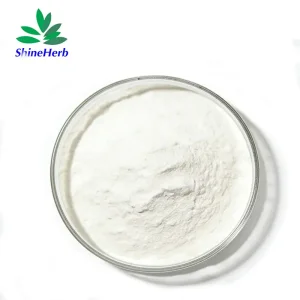
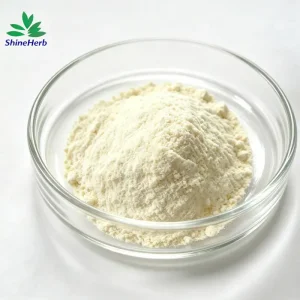
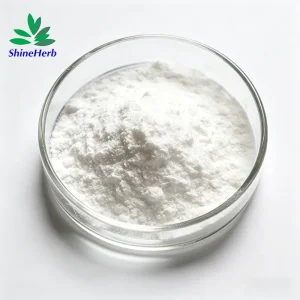
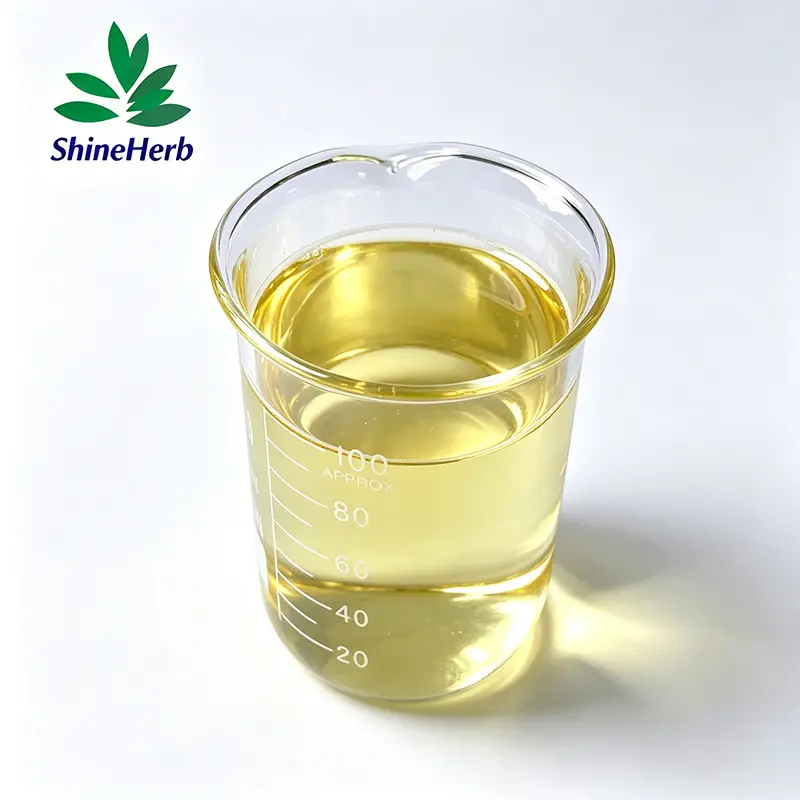
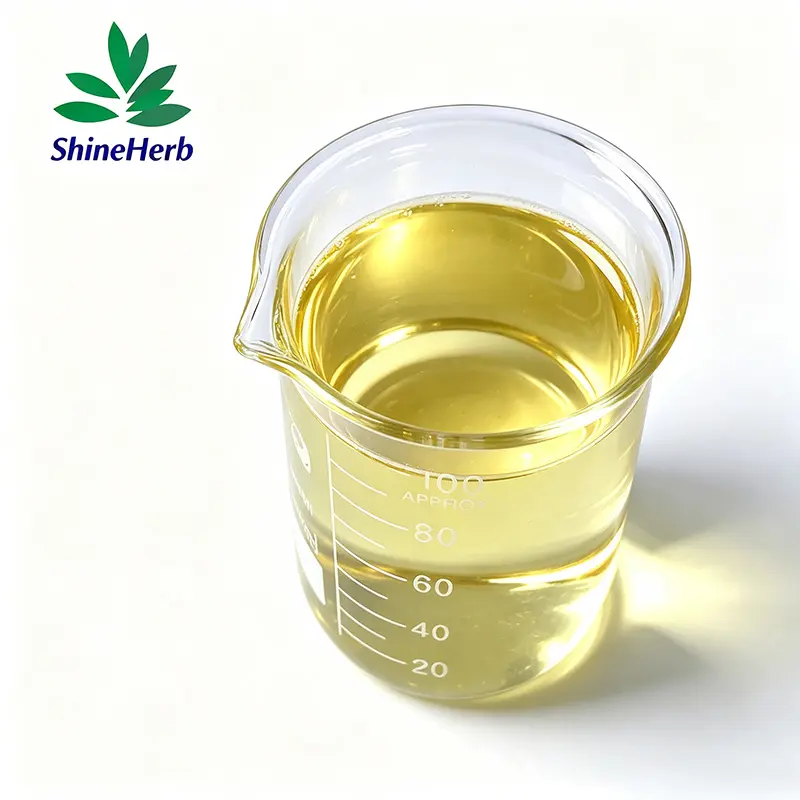
Apperance Light yellow-light brown liquid
Specification

Liquid:20,000 ALU/g
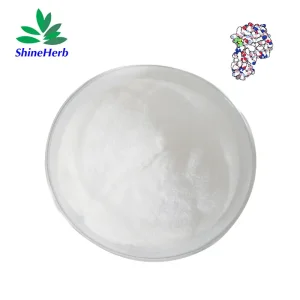
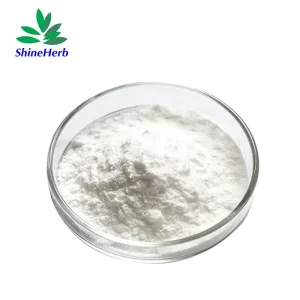
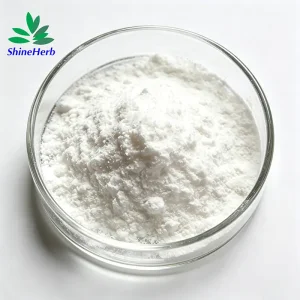
Powder:50,000 ALU/g - 160,000 ALU/g
Acidic lactase and neutral lactase

Temperature range: 5ºC~65ºC
pH range effective pH 3.0~8.0
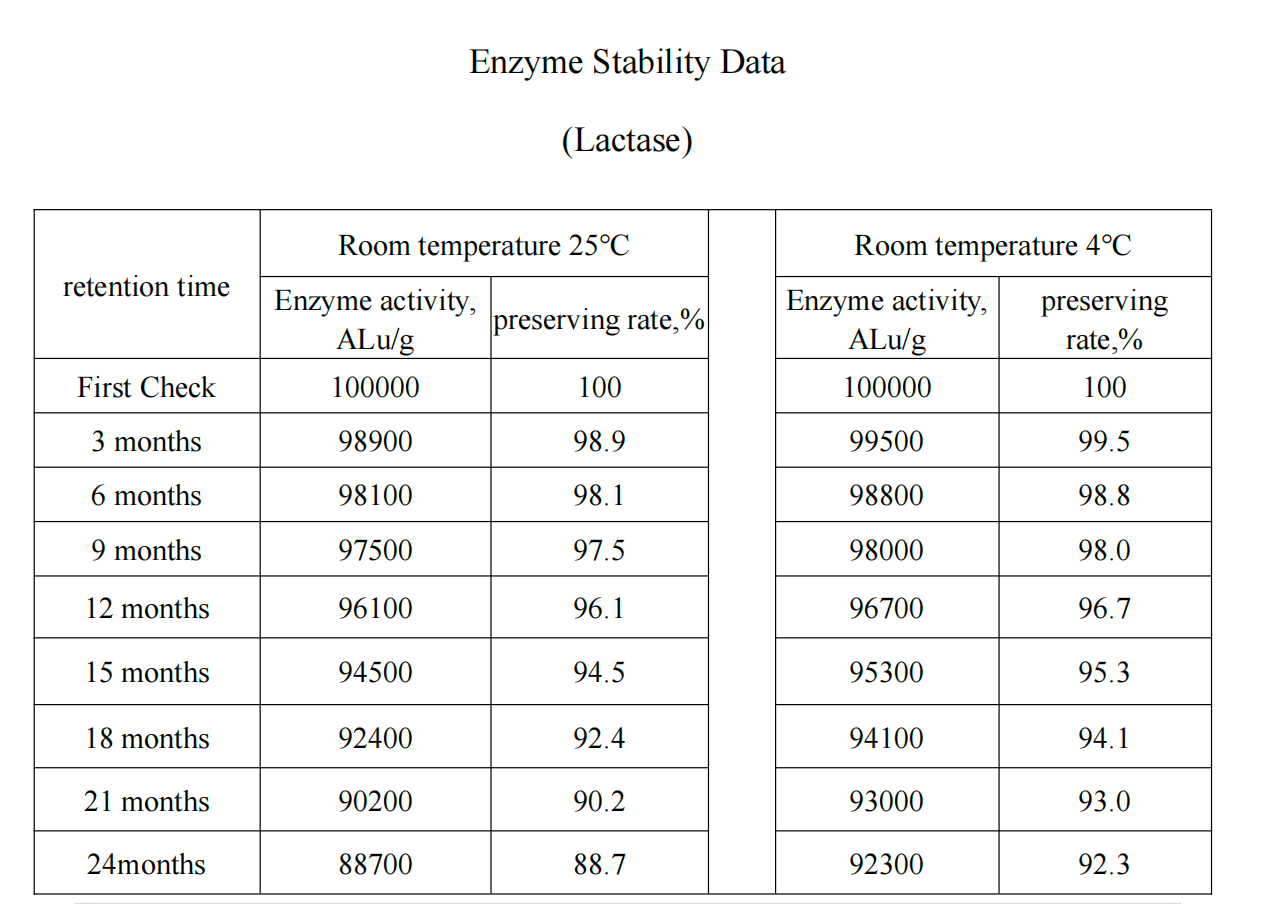
Shelf time 2 years,keep away sunlight, keep dry
Free sample available

Product Description

Product Description

β -Galactosidase Acid Lactase 3
Lactase, also known as β-galactosidase, is derived from Aspergillus oryzae. It is a food-grade enzyme produced through submerged fermentation. Lactase hydrolyzes lactose into glucose and galactose, thereby improving the digestibility of dairy products and enhancing nutrient absorption.
Lactase is available in both powder and liquid forms with different enzyme activity levels. The powder specifications range from 50,000 ALU/g to 160,000 ALU/g, while the liquid form is available at 20,000 ALU/g, allowing flexible application in various production processes. Lactase with enzyme activity above 100,000 ALU/g features high concentration and good stability, making it widely suitable for enzyme-based dietary supplements such as capsules, tablets, and drops.

Specification

Lactase enzyme is available in different activity levels based on application requirements.
Product Character Activity Remarks
Acid Lactase(β-galactosidase) Powder 100000 ALU/g It can be used as digestive aid in the dietary supplements. It also can be applied to process free‑lactose yogurt.
Powder 150000 ALU/g
Powder 160000 ALU/g
Liquid 20000 ALU/g

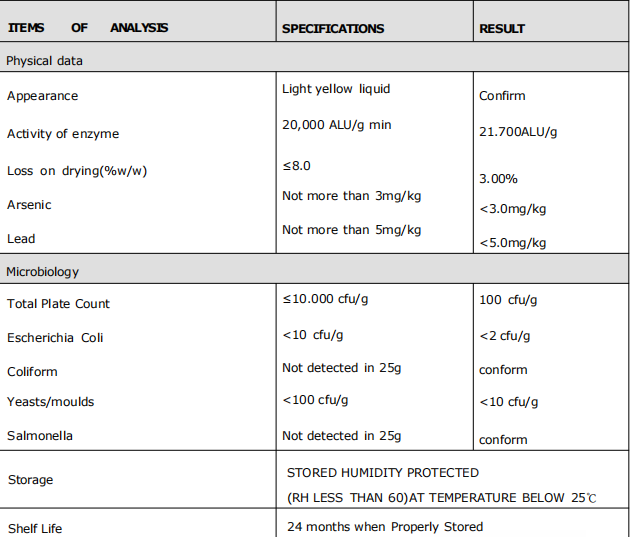
Certificate of Analysis

lactase-liquid-1
Enzyme activity definition: One lactase unit is defined as the quantity of enzyme that will liberate o-nitrophenol at a rate of 1µmol per minute under the condition of hydrolyze oNPG at 37ºC and pH4.5.

Stability Data

lactase-stability-0

Function / Application

The Lactase from Aspergillus oryzae has a high activity at low pH (pH 3.5~5.5), making it particularly suitable for digest lactose in acid conditions, and it's therefore ideal for use in the dietary supplements as digestive aid.
The dose of fungal lactase depends on the amount of the lactose and the size of meal consumed. One general guideline is 2,500 ALU per 10~13g of lactose consumed. We recommend a dose of 4,000~6,000 ALU with each lactose-containing meal.
galactosidase-acid-lactase-3-1
  • 1
    Food Processing
    Used in dairy products such as milk, yogurt, cheese, and milk powder to produce low-lactose products, improve taste, and meet the needs of lactose-intolerant consumers. Also applied in food improvement and GOS (prebiotic) production for functional foods.
  • 2
    Health & Pharmaceutical
    Used as a dietary supplement to compensate for insufficient lactase activity in the human intestine. It helps relieve symptoms of lactose intolerance such as bloating and diarrhea, and is suitable for various groups including pregnant women, breastfeeding women, and infants.
  • 3
    Industrial Use
    Used in large-scale dairy processing to improve efficiency, reduce waste, and lower production costs.

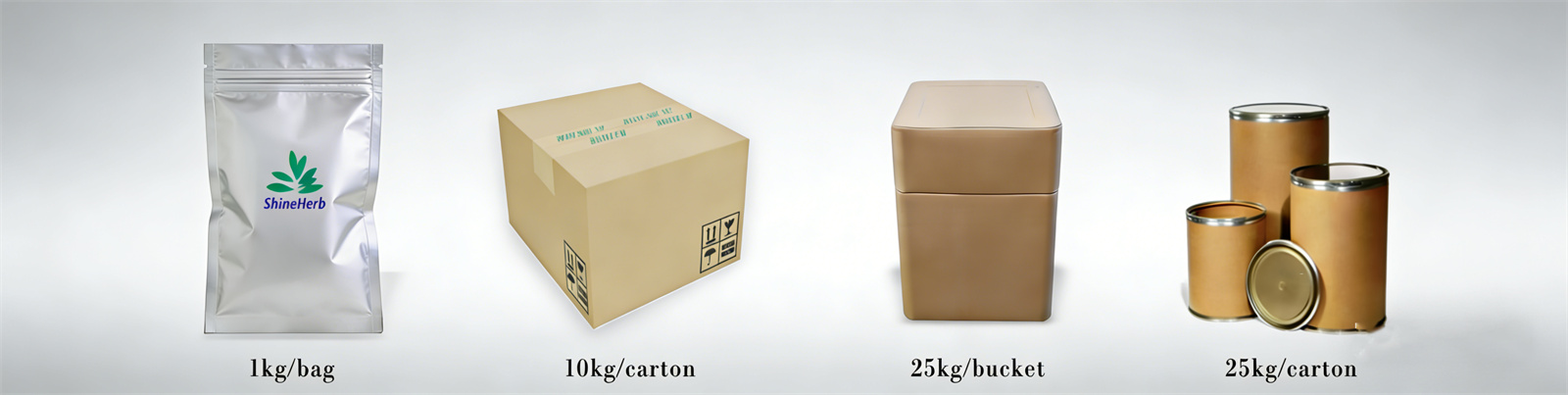
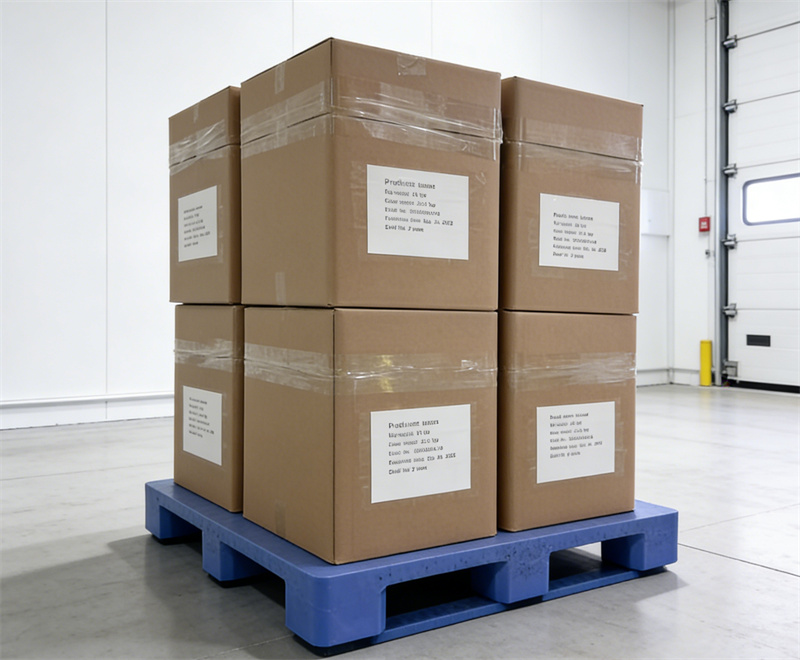
Packing

Weight Packing method
1kg bag/kg, box outside (double plastic bag + Aluminum foil bag inside)
10kgs, 25kg or more by Drums or carton (2 layers plastic bag inside)
packaging

Delivery

Weight Delivery method Delivery time Destination
1kg-25kgs EMS, DHL, UPS, Fedex 3-7 days Door to door
25kgs-100kgs DHL, FedEx, by Air 3-7 days Door to door (to Airport by Air)
more than 100kgs by Air 3-7 days Door to Airport
by Sea 10-35 days Door to port
Lactase Delivery

Logistics

Logistics

Frequently Asked Questions

Q1: What is the source of this Acid Lactase enzyme?
This lactase enzyme (also known as β-galactosidase) is derived from Aspergillus oryzae. It is produced through a professional submerged fermentation process, resulting in a premium food-grade enzyme.
Q2: How does Acid Lactase differ from regular lactase?
Acid Lactase maintains exceptionally high activity in low pH environments (ranging from pH 3.5 to 5.5). This unique property makes it highly effective for digesting lactose under acidic gastric conditions, making it optimal for dietary supplements.
Q3: In what specifications and forms is the lactase available?
It is available in both powder and liquid forms. The powder forms range in activity from 50,000 ALU/g to 160,000 ALU/g, while the liquid form features an activity level of 20,000 ALU/g.
Q4: What is the recommended dosage for lactose digestion?
While dosage depends on the specific lactose content and size of the meal, a general guideline is 2,500 ALU per 10 to 13g of lactose. We recommend a dose of 4,000 to 6,000 ALU with each lactose-containing meal.
Q5: What are the main applications of Acid Lactase?
It is widely used in dairy food processing to create low-lactose products, in health supplements (capsules, tablets, drops) to alleviate symptoms of lactose intolerance, and in general industrial biotechnology.
Q6: What packaging formats are available for bulk orders?
Smaller orders of 1kg are packaged in double plastic bags and aluminum foil bags inside a outer box. For larger quantities of 10kg, 25kg, or more, we ship using protective drums or cartons containing double plastic liners.

Related Products