Wholesale Manufacturer Supply High Activity Maltogenic Amylase 2,000-20,000 u/g For Cake Cookie Supplier, Exporters

Product name:Maltogenic Amylase
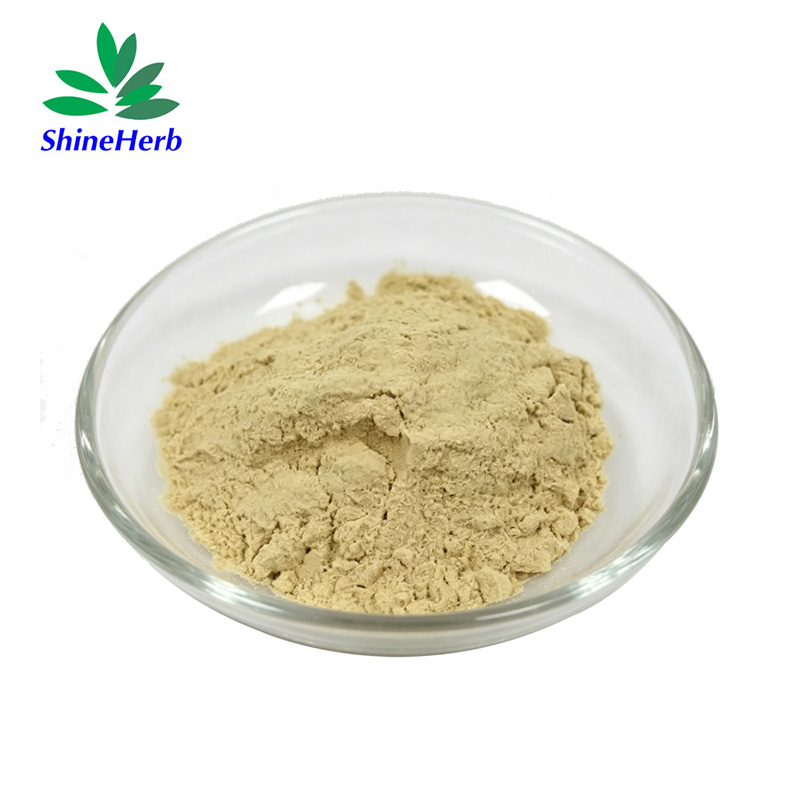
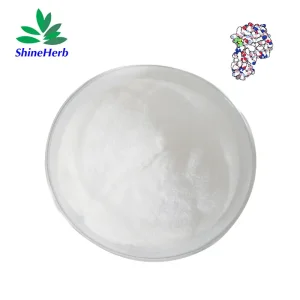
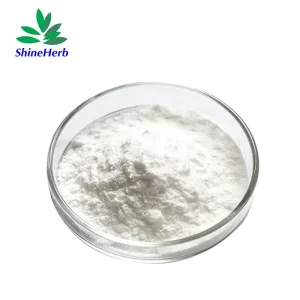
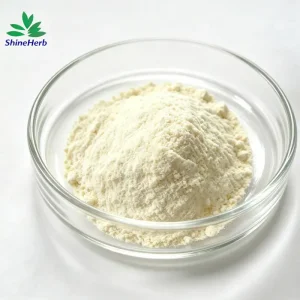
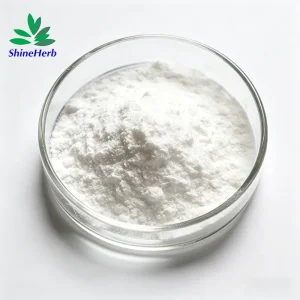
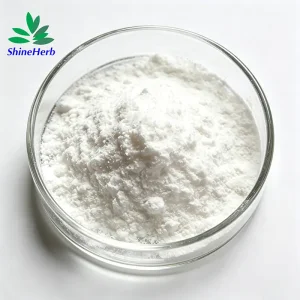
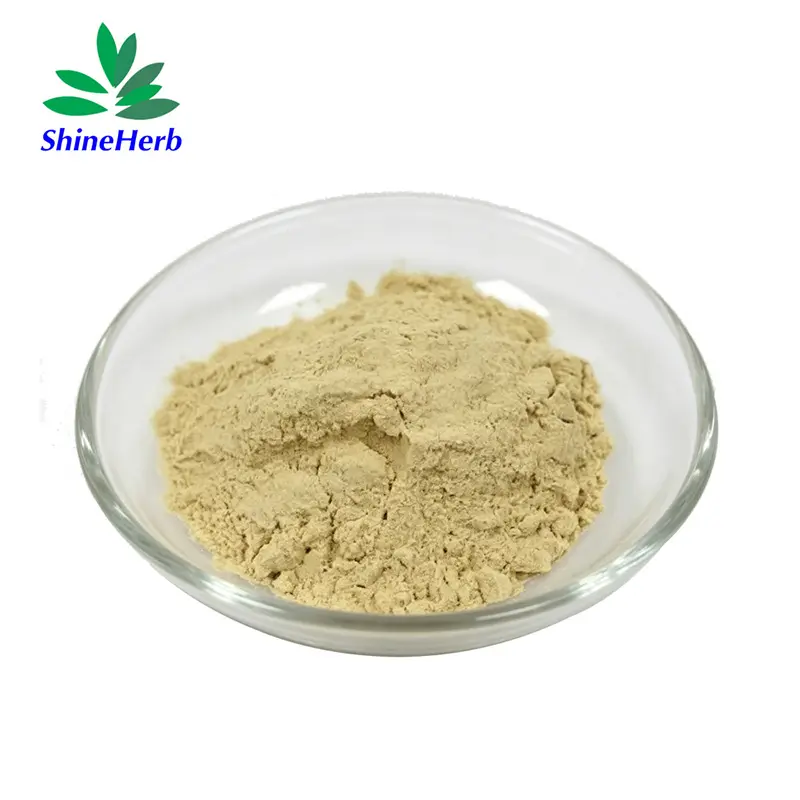
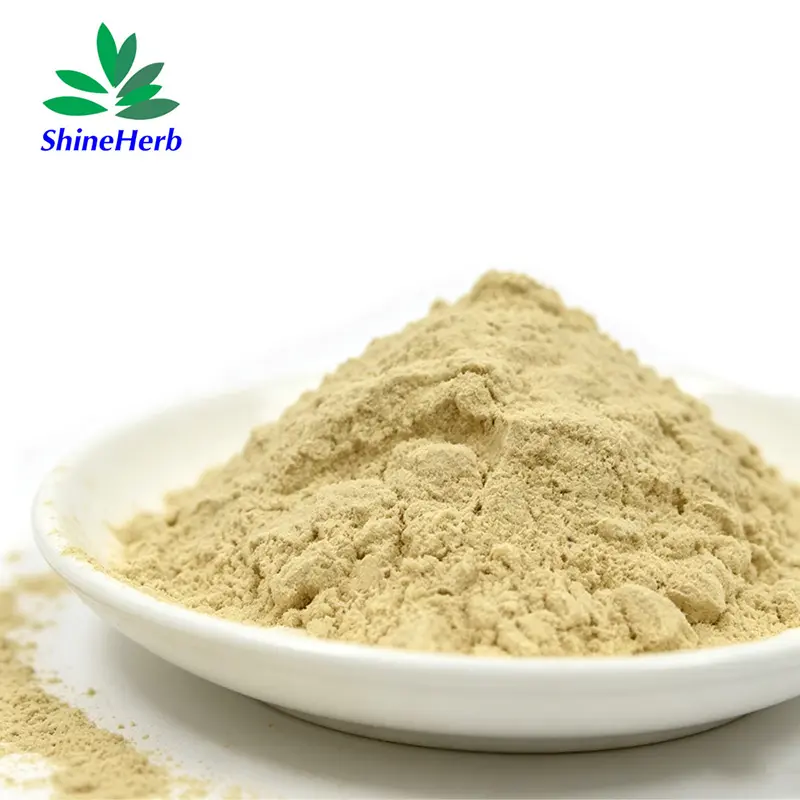
Apperance: Light yellow powder
Specification:2,000-20,000 u/g
Test method:HPLC/UV
Delivery : EXW,FOB,CFR,CIF,DAP,DDP
Packaging: 20 kgs/drum or customized packaging available
Payment :  T/T bank transfer, Western Union,PayPal
Shelf time:2 years,keep away sunlight, keep dry

Product Description

Product Description

wheat-germ-extract-2

This endo-maltogenic amylase is purified via submerged fermentation of Bacillus subtilis and used in bakery production. It breaks down starch in flour to form α-maltose and a small amount of dextrins. It also stops baked goods from going stale, an issue triggered by interactions between starch and protein. The enzyme keeps bread springy, soft and fresh, slows staling, and lengthens the shelf life of baked products, with no negative impact on dough handling performance.

Product Feature

  • It only targets starch contained in flour without altering the Brabender properties of dough.
  • It is widely used in bread and other baked flour products, rice noodles and glutinous rice products to retain elasticity, softness and freshness, thus extending shelf life.
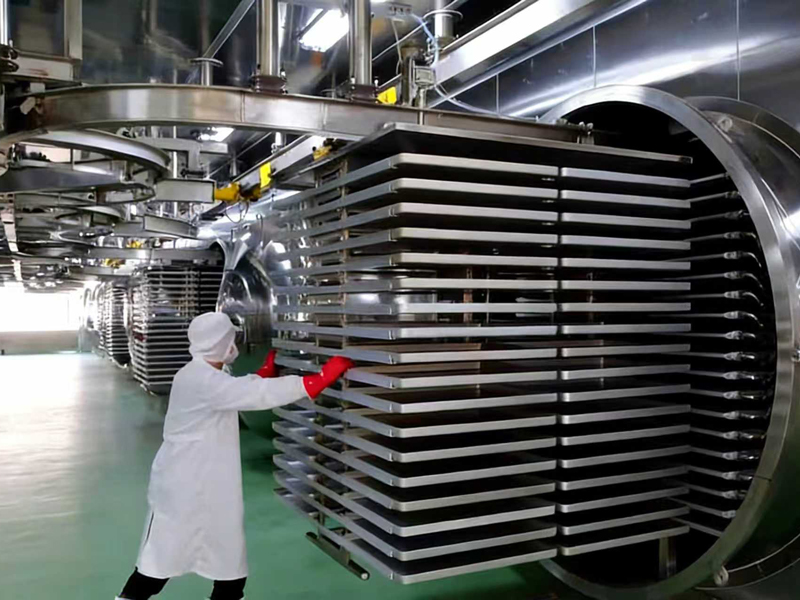
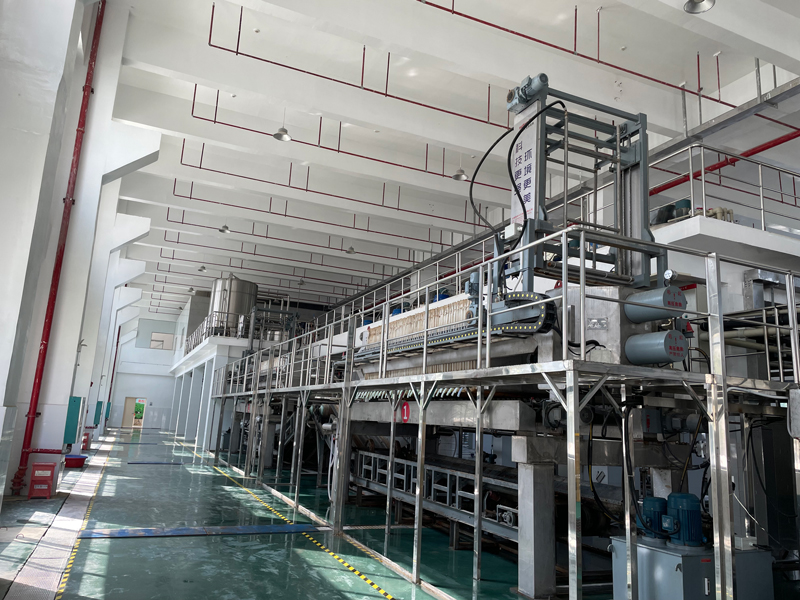
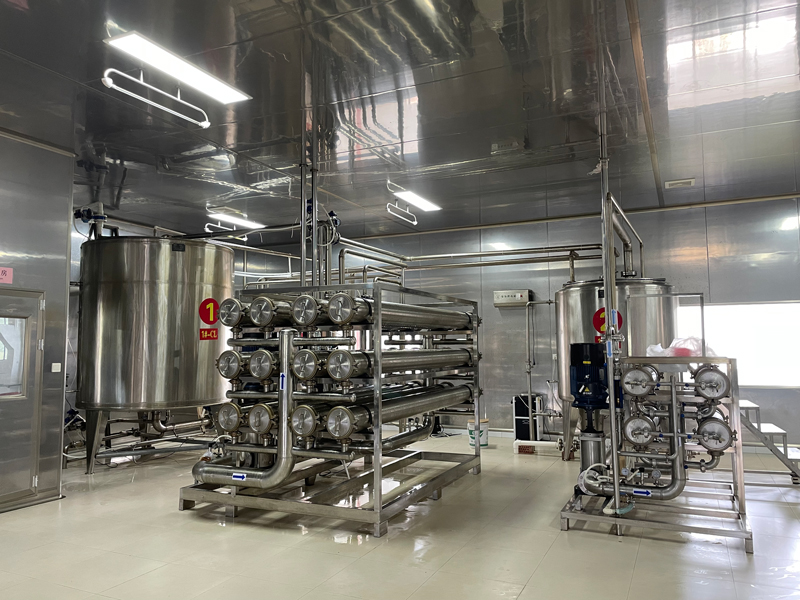
  • This maltogenic amylase is produced with bioengineering techniques, microfiltration, ultrafiltration membrane separation and vacuum freeze-drying. The microbial count is strictly controlled, and the product meets food-grade quality specifications.
Dosage: 10–100 ppm based on flour weight (equivalent to 5.0–30.0 g per 100 kg flour)

Functions & Applications

Maltogenic amylase can be used in the production of high maltose syrup, crystalline maltose, candies and cold drinks.

It can also be added to biscuits and complementary foods for children, delivering a mild sweet taste and easy digestion.

Storage

Store in a cool, dry place away from light. Recommended storage temperature: below 0°C.

Enzyme activity may decrease to varying degrees if stored for an excessively long time or under unfavorable conditions. If temperature or humidity is too high, an appropriate increase in dosage is recommended during application.
Packing

Weight Packing method
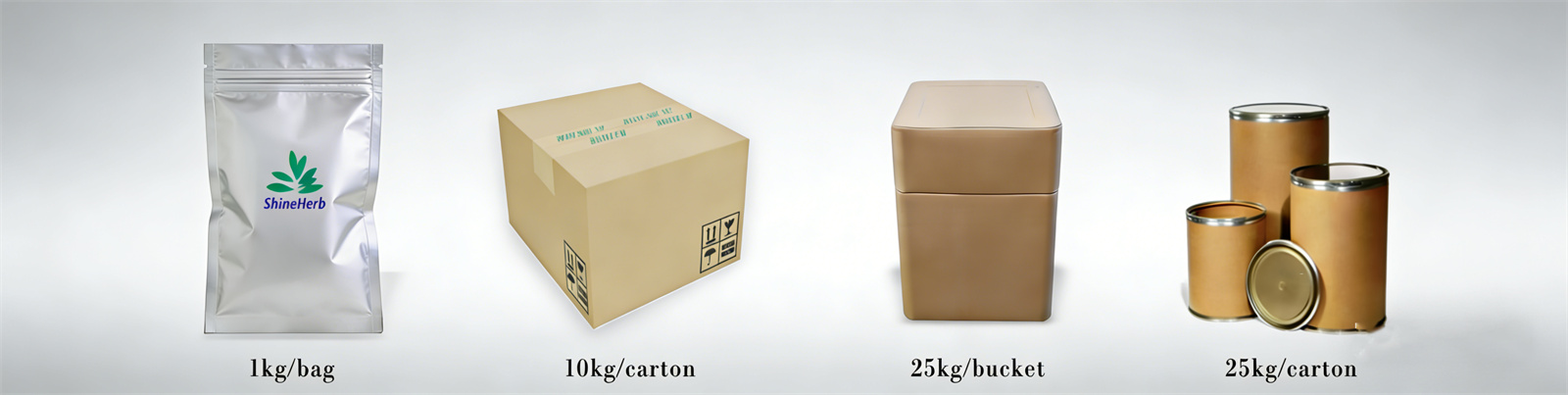
1kg bag/kg, box outside (double plastic bag + Aluminum foil bag inside)
10kgs, 25kg or more by Drums or carton (2 layers plastic bag inside)
packaging

Delivery

Weight Delivery method Delivery time Destination
1kg-25kgs EMS, DHL, UPS, Fedex 3-7days Door to door
25kgs-100kgs DHL, FedEx, by Air 3-7days Door to door (to Airport by Air)
more than 100kgs by Air 3-7days Door to Airport
by Sea 10-35days Door to port

Logistics

Logistics

Frequently Asked Questions

What is the origin of this maltogenic amylase?
This endo-maltogenic amylase is purified through the submerged fermentation of Bacillus subtilis, ensuring high quality and performance under strict food-grade specifications.
How does it extend the shelf life of bakery products?
It breaks down flour starch into α-maltose and small dextrins. By preventing the interaction between starch and protein, it halts staling, keeping baked goods soft, springy, and fresh.
What is the recommended dosage for application?
The recommended dosage is 10–100 ppm based on flour weight, which is equivalent to approximately 5.0–30.0 g of enzyme per 100 kg of flour.
Will this enzyme affect dough handling characteristics?
No. It selectively targets starch in the flour and does not alter the Brabender properties of the dough, ensuring stable dough handling performance.
What are the storage guidelines for preserving enzyme activity?
It should be stored in a cool, dry place away from direct light, ideally below 0°C. If stored in high temperature or humidity conditions, you may need to increase the dosage to compensate for potential activity loss.

Related Products