Best Natural Fermented Laccase Enzyme CAS 80498-15-3 Wastewater Treatment Raw Material Suppliers, Factories

Product name:Laccase Enzyme
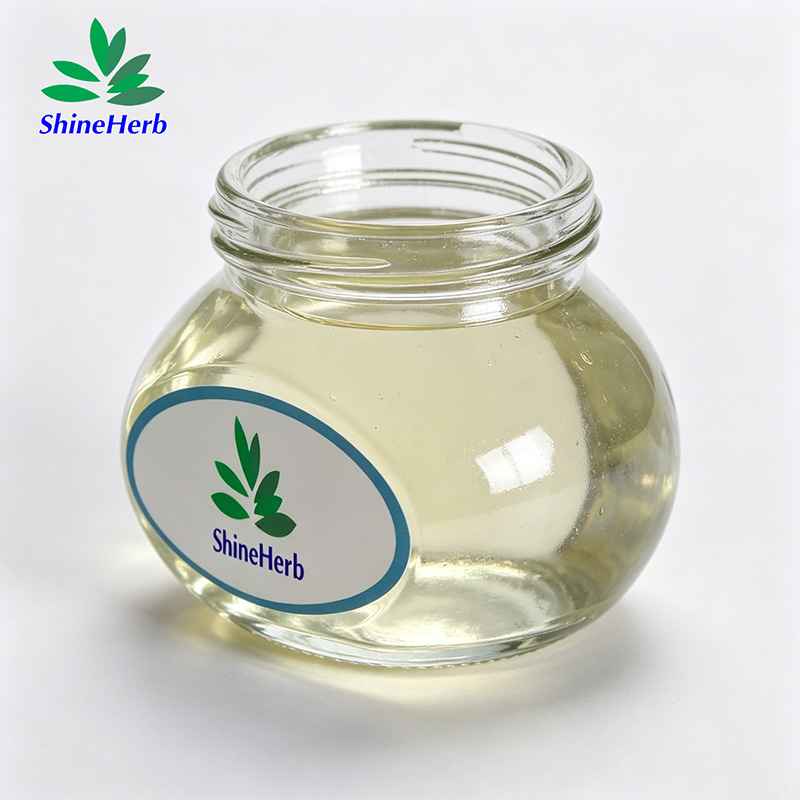
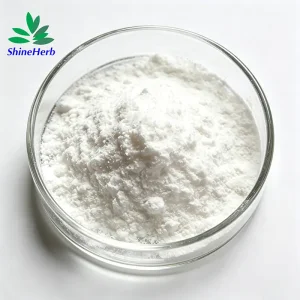
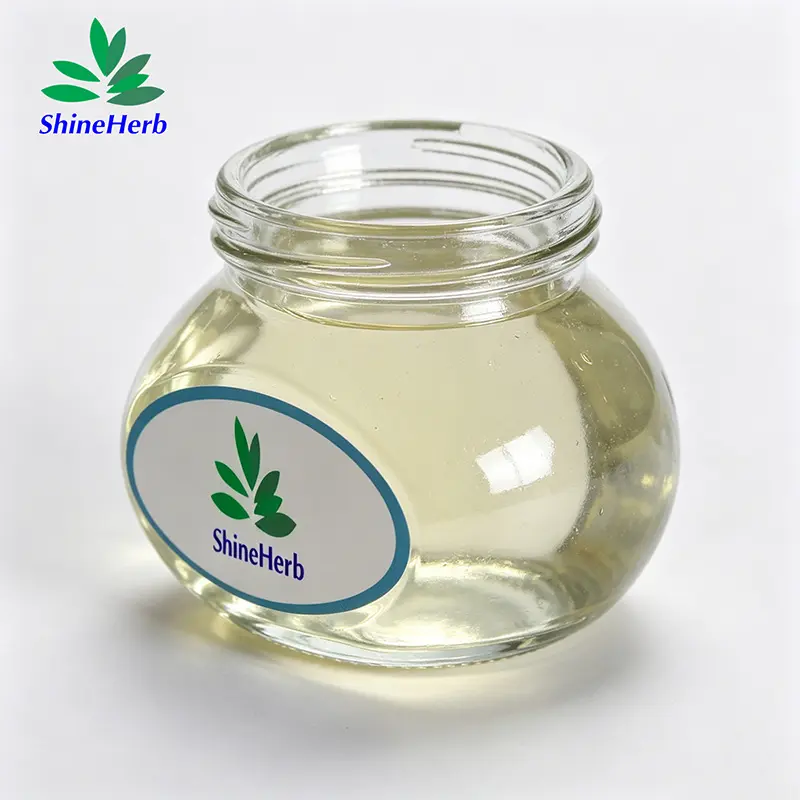
Apperance: Light brownish-yellow liquid
Specification:1-200,000u/g
Test method:HPLC/UV
Delivery : EXW,FOB,CFR,CIF,DAP,DDP
Packaging: 20 kgs/drum or customized packaging available
Payment :  T/T bank transfer, Western Union,PayPal
Shelf time:2 years,keep away sunlight, keep dry

Product Description

Product description

laccase

Laccase is a copper-containing metalloproteinase consisting of polypeptide chains, glycan ligands and Cu²⁺. The laccase is produced via submerged liquid fermentation of Aspergillus oryzae, followed by advanced extraction, ultrafiltration concentration, drying and refining processes.

Product feature

  • Effective temperature range: 20℃–60℃; Effective pH range: 3.5–6.0
  • Optimal temperature range: 45℃–55℃; Optimal pH range: 4.0–5.0
  • The general recommended dosage is 5–500 g of enzyme preparation per ton of raw materials. However, due to differences in application fields, raw material compositions and process parameters among different manufacturers, the actual addition method and dosage of this product shall be determined through trials.

Functions & Applications

  • Laccase is applied in food industrial wastewater treatment to degrade phenolic compounds. When immobilized on organic gel carriers, it can eliminate aromatic compounds—both inherent in water and externally introduced environmental pollutants—from suspensions.
  • During the spawn production of edible fungi, the addition of laccase preparation accelerates the decomposition of aromatic macromolecules such as lignin, speeds up mycelial growth and shortens spawn-making cycles. In bag substrate cultivation, it also promotes mycelium knotting and boosts mushroom yields.

Certificate of Analysis

ITEMS OF ANALYSIS SPECIFICATIONS RESULTS
Appearance Fine white to creamy powder with characteristic odour and taste, no putrid smell Conform
Identification Conform Conform
Particle size 80 mesh Conform
Solubility Partly soluble in water, insoluble in ethanol and ether Conform
Protease NLT 250 USP u/mg 264 USP u/mg
Amylase NLT 250 USP u/mg 262 USP u/mg
Lipase NLT 20 USP u/mg 23 USP u/mg
Loss on drying ≤5.0% 3.36%
Fat content ≤20mg/g 12mg/g
Microbiology
E.Coli Negative Negative
Aerobic bacteria NMT 10,000cfu/g NMT 1100cfu/g
Yeast and mould NMT 100cfu/g NMT 10cfu/g
Salmonella Negative Negative
Storage STORED HUMIDITY PROTECTED (RH LESS THAN 60) AT TEMPERATURE BELOW 25℃
Shelf Life 1 Year when Properly Stored

Storage

Store in a cool, dry place away from light. Recommended storage temperature: below 0°C.

Enzyme activity may decrease to varying degrees if stored for an excessively long time or under unfavorable conditions. If temperature or humidity is too high, an appropriate increase in dosage is recommended during application.
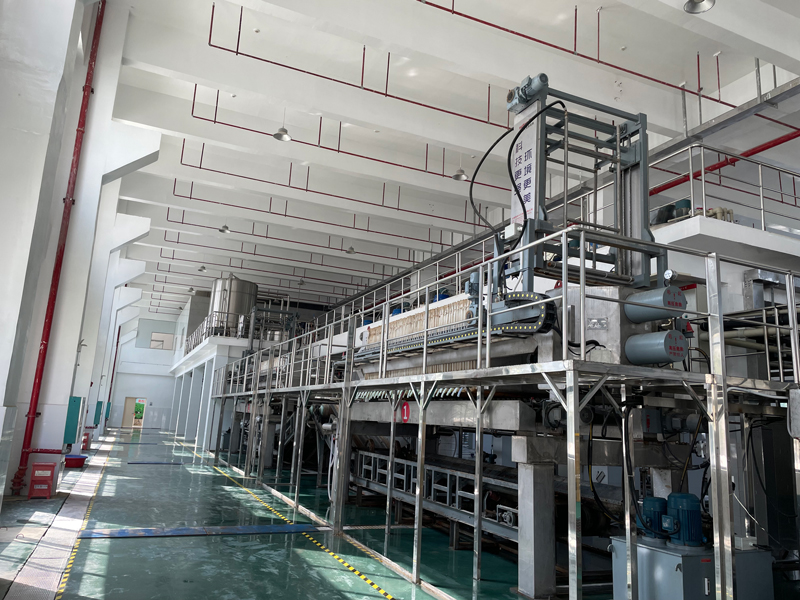
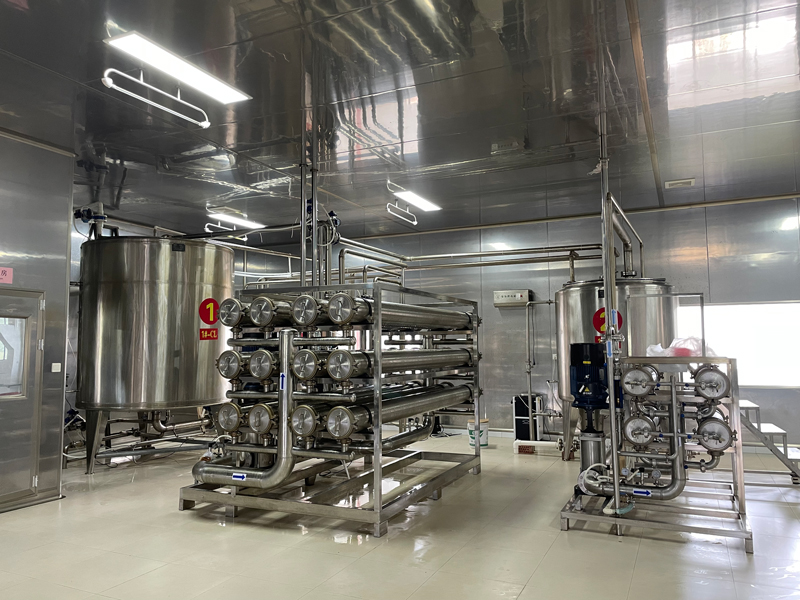
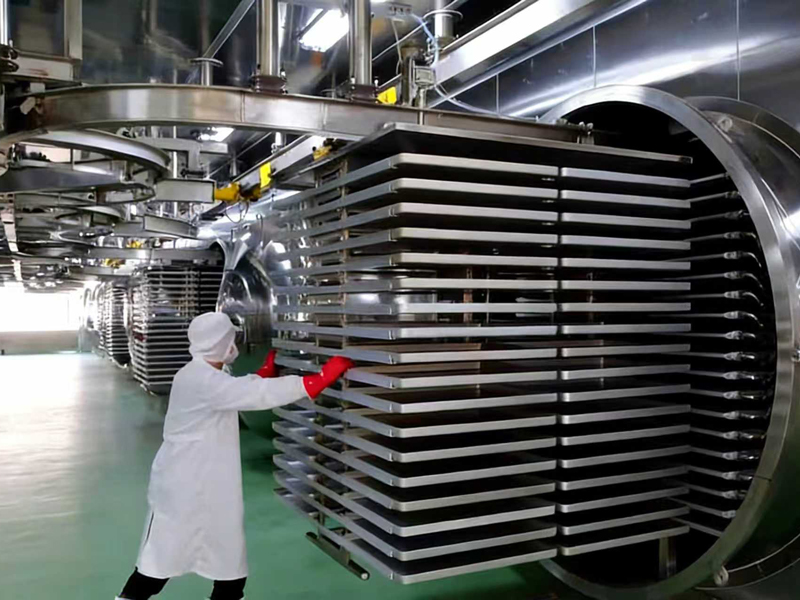
Production-workshop-bromelain-1
Production-workshop-bromelain-2
Production-workshop-bromelain-3

Packing

Weight Packing method
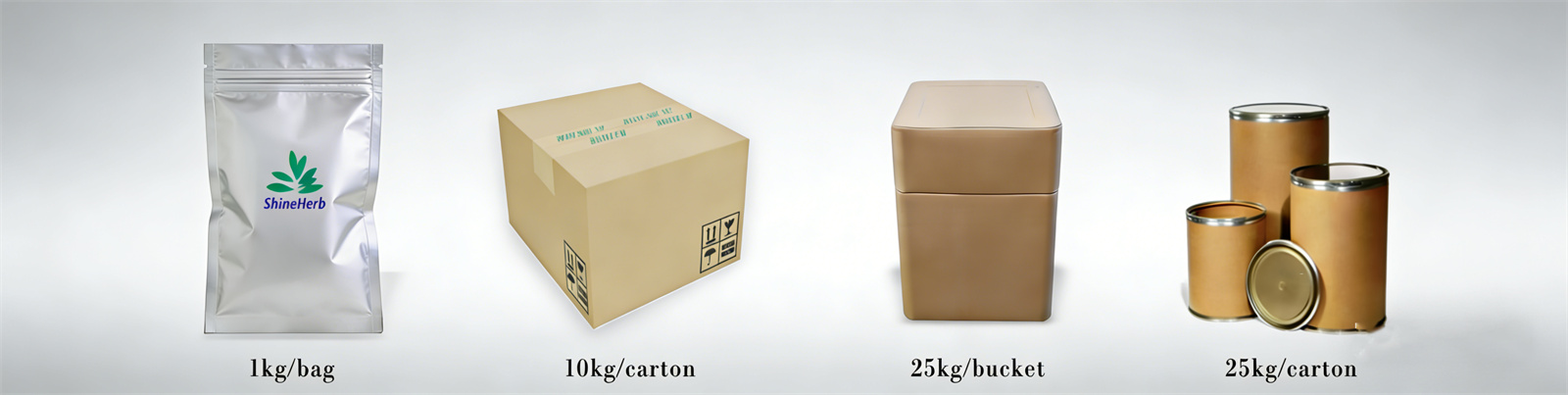
1kg bag/kg, box outside (double plastic bag + Aluminum foil bag inside)
10kgs, 25kg or more by Drums or carton (2 layers plastic bag inside)
packaging

Delivery

Weight Delivery method Delivery time Destination
1kg-25kgs EMS, DHL, UPS, Fedex 3-7 days Door to door
25kgs-100kgs DHL, FedEx, by Air 3-7 days Door to door (to Airport by Air)
more than 100kgs by Air 3-7 days Door to Airport
by Sea 10-35 days Door to port

Logistics

Logistics

Frequently Asked Questions

What is the composition and source of Laccase?
Laccase is a copper-containing metalloproteinase composed of polypeptide chains, glycan ligands, and Cu²⁺. It is produced through the submerged liquid fermentation of Aspergillus oryzae, followed by advanced extraction, concentration, and refining processes.
What are the optimal temperature and pH levels for this enzyme?
The optimal operating temperature range is 45℃–55℃ (effective range 20℃–60℃), and the optimal pH range is 4.0–5.0 (effective range 3.5–6.0).
How is Laccase applied in food wastewater treatment?
Laccase is used to degrade phenolic compounds in industrial food wastewater. When immobilized on organic gel carriers, it successfully eliminates both natural and externally introduced aromatic pollutants from suspensions.
How does Laccase benefit edible fungi cultivation?
During spawn production, adding laccase accelerates the decomposition of aromatic macromolecules like lignin, which shortens mycelial growth cycles. In bag substrate cultivation, it also promotes mycelium knotting and increases mushroom yields.
What is the recommended storage condition and shelf life?
It should be stored in a cool, dry place away from light, ideally below 0°C. The product has a shelf life of 1 year when stored properly under these conditions.
What should be done if storage conditions are suboptimal?
If stored under unfavorable conditions (such as high temperature or humidity), the enzyme activity may decrease. In these cases, it is recommended to increase the application dosage accordingly.

Related Products