 ShineHerb
1 / 2
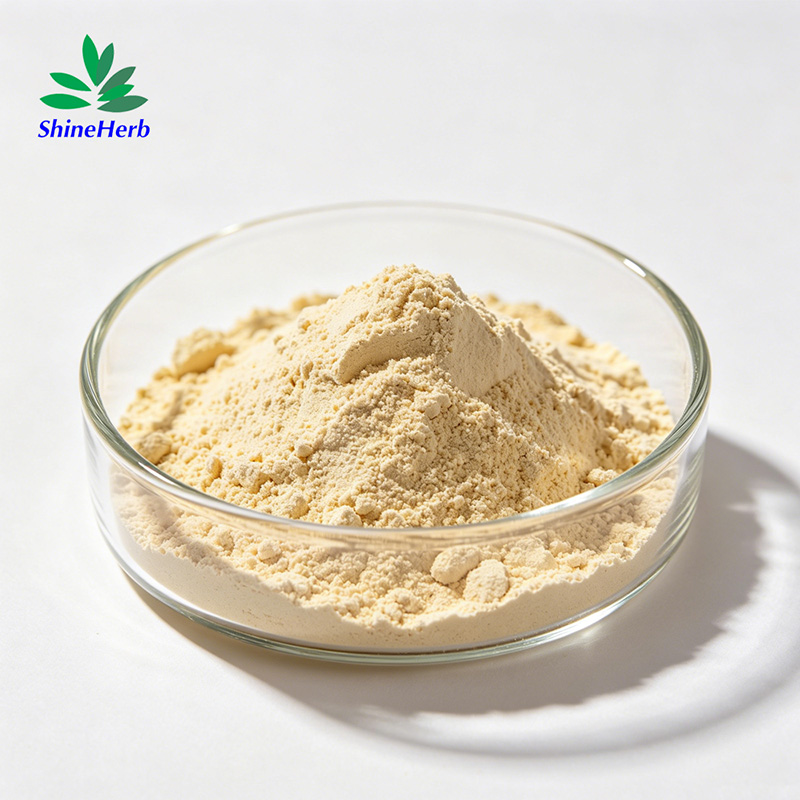
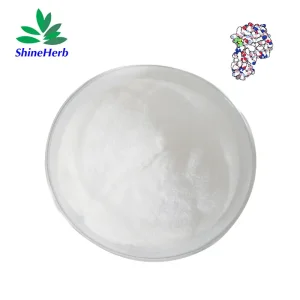
α-Galactosidase (CAS No.: 9025-35-8) is a type of glycoside hydrolase. It specifically cleaves α-galactosidic linkages in molecular structures and hydrolyzes oligosaccharides including raffinose, stachyose and verbascose by breaking the bonds between galactose and other saccharide moieties.
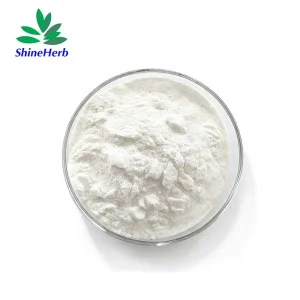
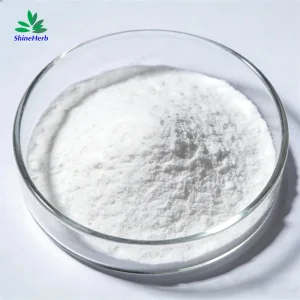
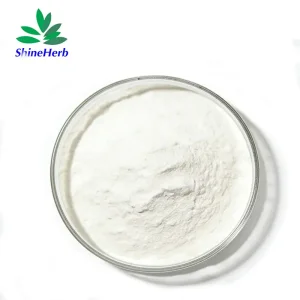
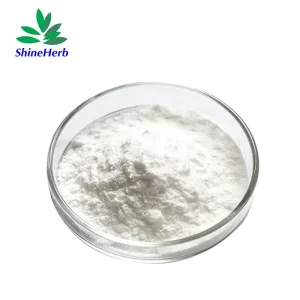
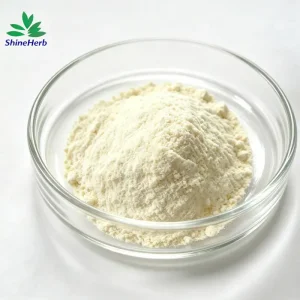
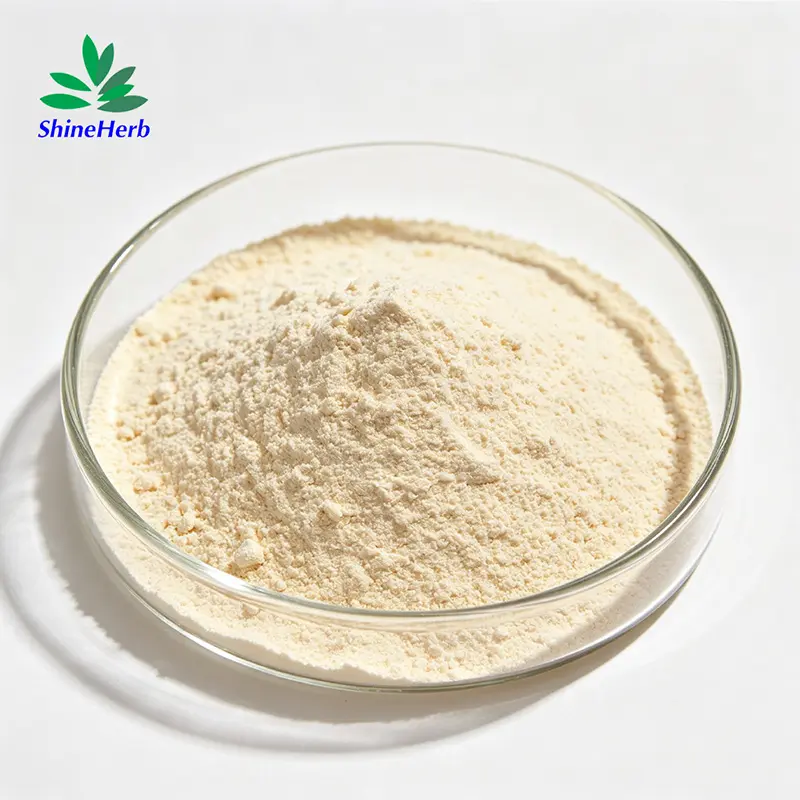
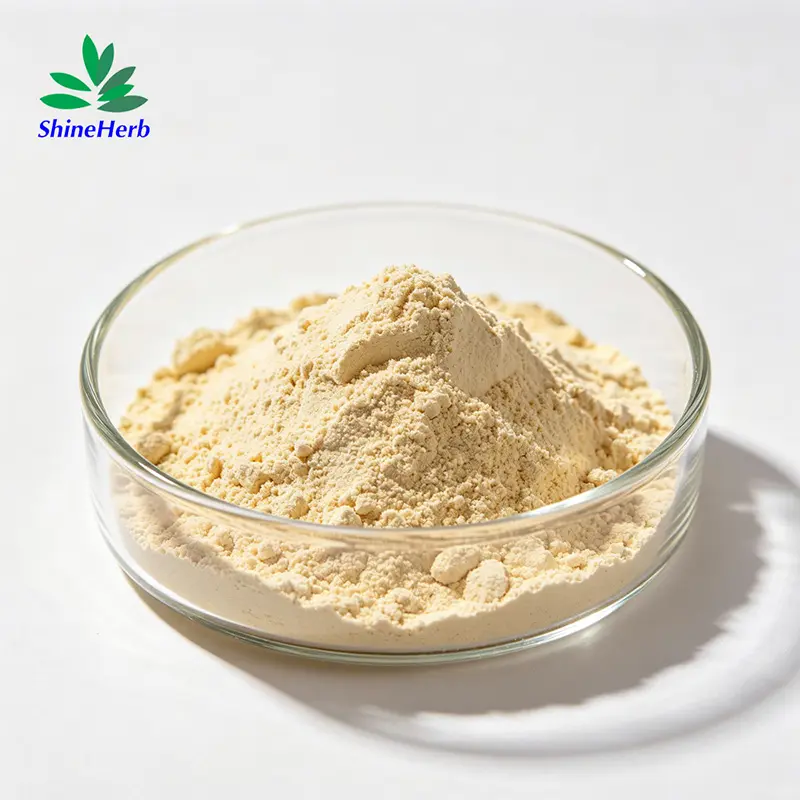
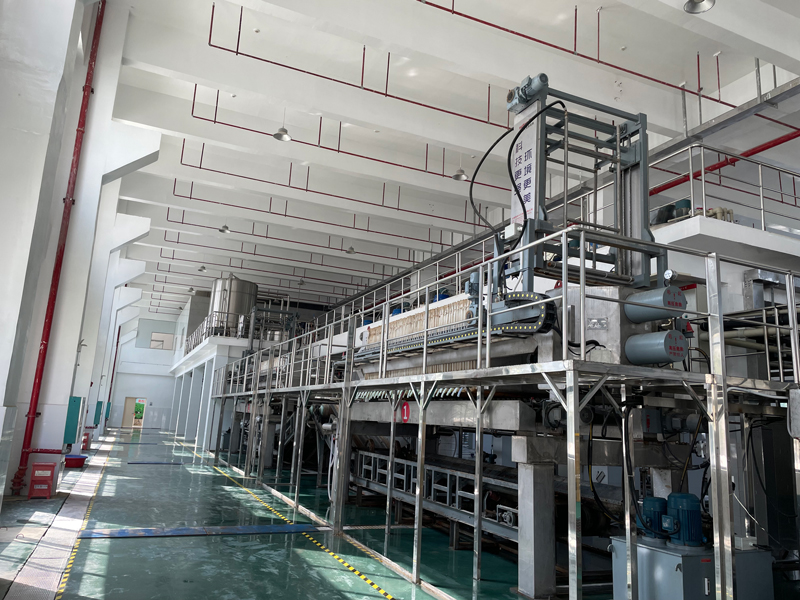
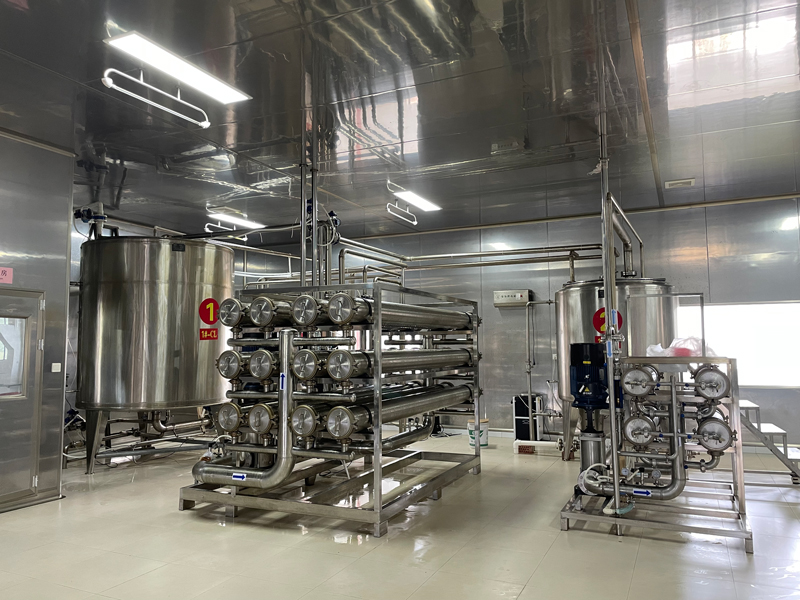
It is industrially produced via fermentation of Aspergillus niger, the dominant strain for commercial manufacture, and is mostly supplied as pale yellow powdered enzyme preparation.
It catalyzes the hydrolysis of substances containing α-galactosidic linkages. It can decompose oligosaccharides such as melibiose, raffinose and stachyose, as well as galactomannan and galacturonan.
Optimal temperature for application: 50–60 °C
Optimal pH range: pH 4.0–6.0
α-Galactosidase hydrolyzes stachyose and raffinose in soybeans to improve the oil leaching rate of soybeans, optimize the taste of soybean products and relieve flatulence after consumption.
Feed-grade α-Galactosidase is added to livestock, poultry and aquafeed based on soybean meal.
Dietary Supplement: Taken before meals to aid digestion of legumes and cruciferous vegetables and reduce flatulence.
Store in a cool, dry place away from light. Recommended storage temperature: below 0°C.
Enzyme activity may decrease to varying degrees if stored for an excessively long time or under unfavorable conditions. If temperature or humidity is too high, an appropriate increase in dosage is recommended during application.

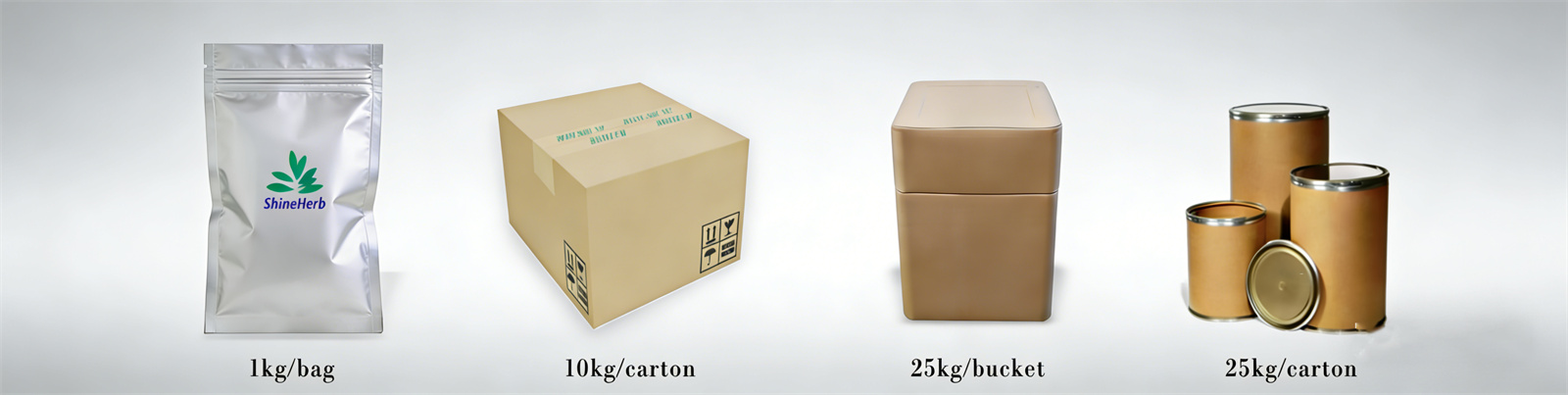
| Weight | Packing method |
|---|---|
| 1kg | bag/kg, box outside (double plastic bag + Aluminum foil bag inside) |
| 10kgs, 25kg or more | by Drums or carton (2 layers plastic bag inside) |
| Weight | Delivery method | Delivery time | Destination |
|---|---|---|---|
| 1kg-25kgs | EMS, DHL, UPS, Fedex | 3-7days | Door to door |
| 25kgs-100kgs | DHL, FedEx, by Air | 3-7days | Door to door (to Airport by Air) |
| more than 100kgs | by Air | 3-7days | Door to Airport |
| by Sea | 10-35days | Door to port |

A1: α-Galactosidase is a glycoside hydrolase that cleaves α-galactosidic linkages in molecular structures, hydrolyzing oligosaccharides such as raffinose, stachyose, and verbascose by breaking down the bonds between galactose and other saccharides.
A2: The optimal temperature for the application is between 50–60 °C, and the optimal pH range is 4.0–6.0.
A3: One unit (U) of activity is the amount of enzyme required to release 1 μmol of p-nitrophenol per minute from a 10 mmol/L p-nitrophenyl α-D-galactopyranoside substrate under 37 °C and pH 5.5 conditions.
A4: It is used in food processing to improve soybean oil leaching and prevent post-consumption flatulence, in animal feed to supplement soybean meal-based diets, and in dietary supplements to aid the digestion of legumes and cruciferous vegetables.
A5: It should be stored in a cool, dry place away from direct light, ideally below 0°C. Storing it under high temperature or humidity may reduce its activity, which can be compensated by increasing the dosage.
A6: We offer 1kg bags (packed with aluminum foil and double plastic bags inside) and 10kg or 25kg drums/cartons. Deliveries are carried out via EMS, DHL, FedEx, Air, or Sea freight depending on order weight.