 ShineHerb
1 / 2
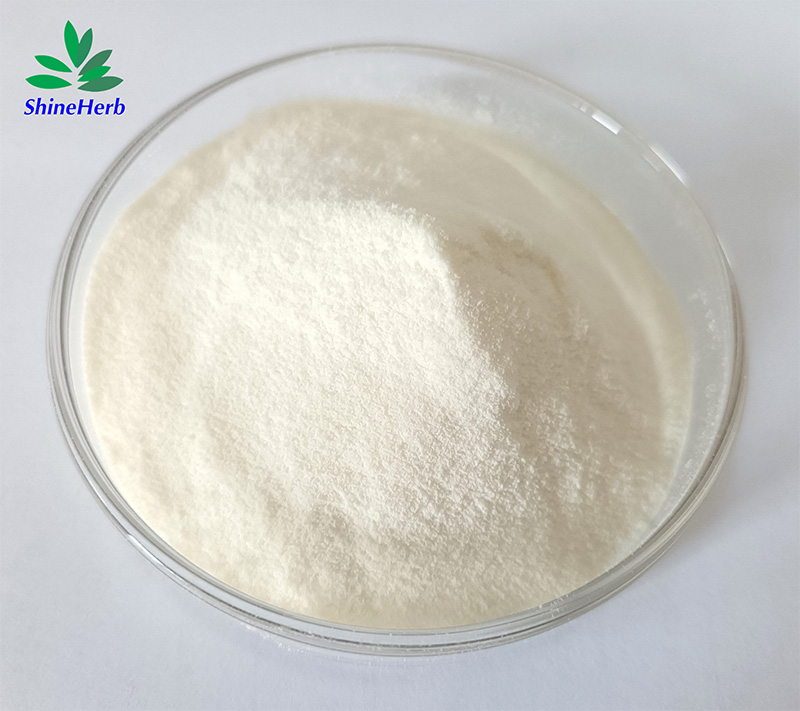
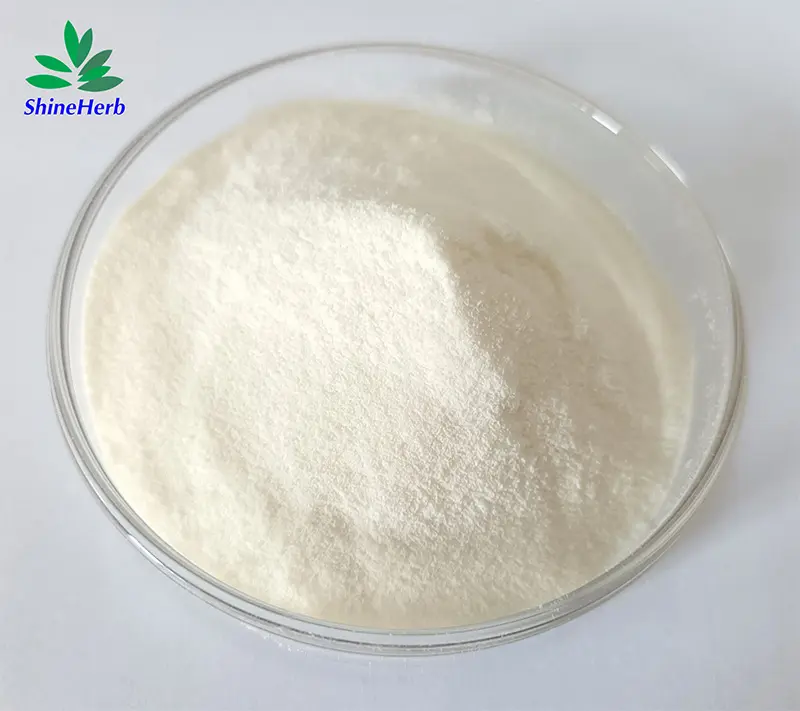
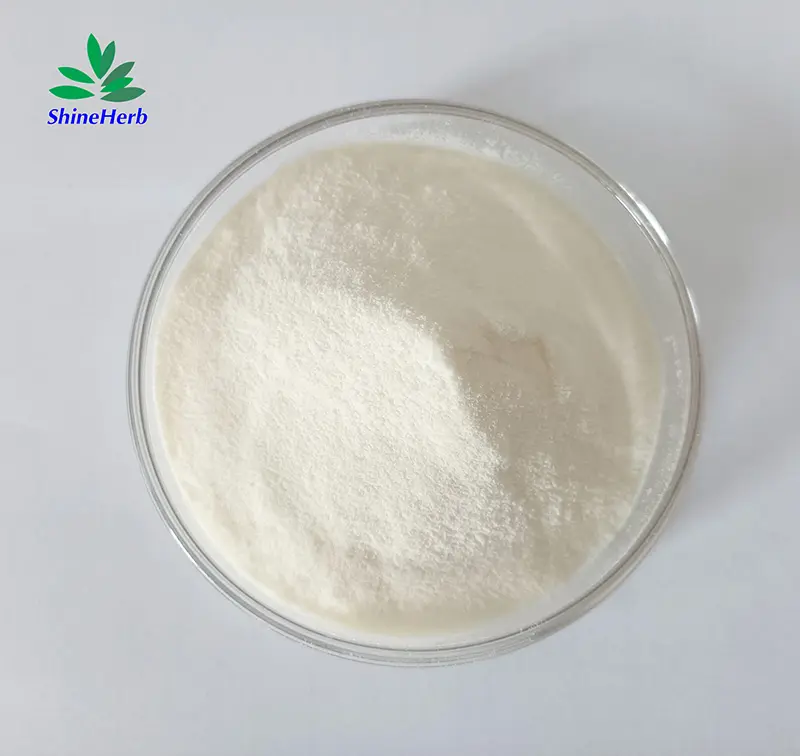
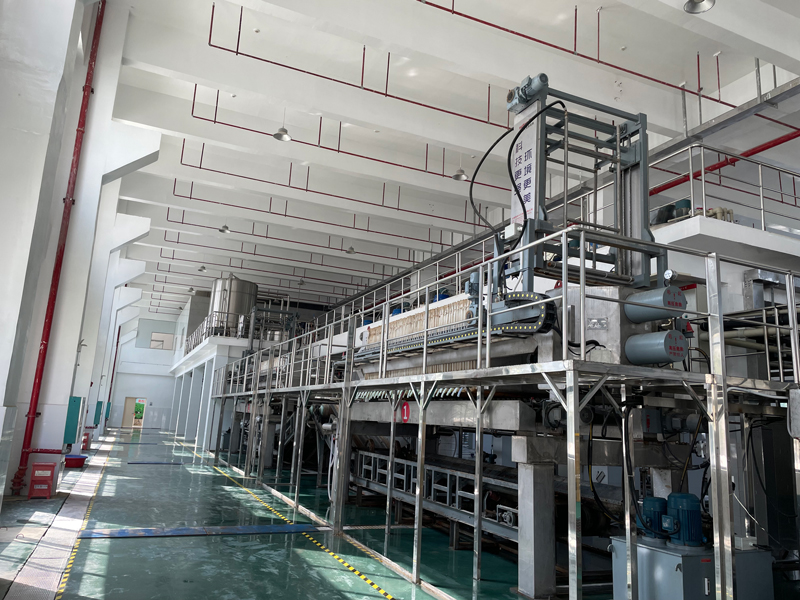
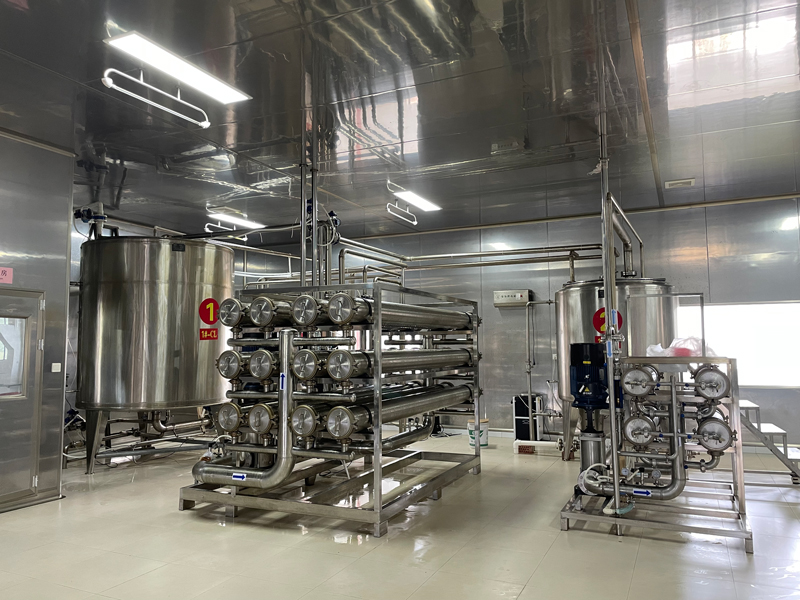
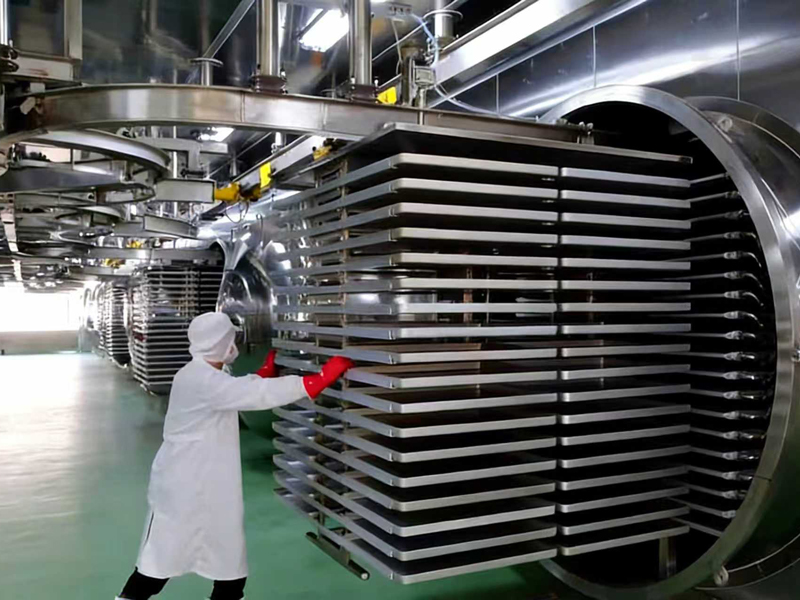
Aminopeptidase is produced by fermentation of Aspergillus oryzae, refined through advanced extraction processes including microfiltration, ultrafiltration and vacuum freeze-drying. The product undergoes strict microbial count control to meet food-grade standards.
As an exopeptidase, aminopeptidase delivers three core functions: debittering, flavor enhancement and increased amino acid content in finished products. It is widely applied in meat product processing, plant protein processing, fermented condiment production such as soy sauce, and the manufacturing of compound amino acid solutions.
Effective temperature range: 35–85°C, optimal temperature: 50–60°C
Effective pH range: 3–9, optimal pH: 6–7
Store in a cool, dry place away from light. Recommended storage temperature: below 0°C.
Enzyme activity may decrease to varying degrees if stored for an excessively long time or under unfavorable conditions. If temperature or humidity is too high, an appropriate increase in dosage is recommended during application.
| Weight | Packing method |
|---|---|
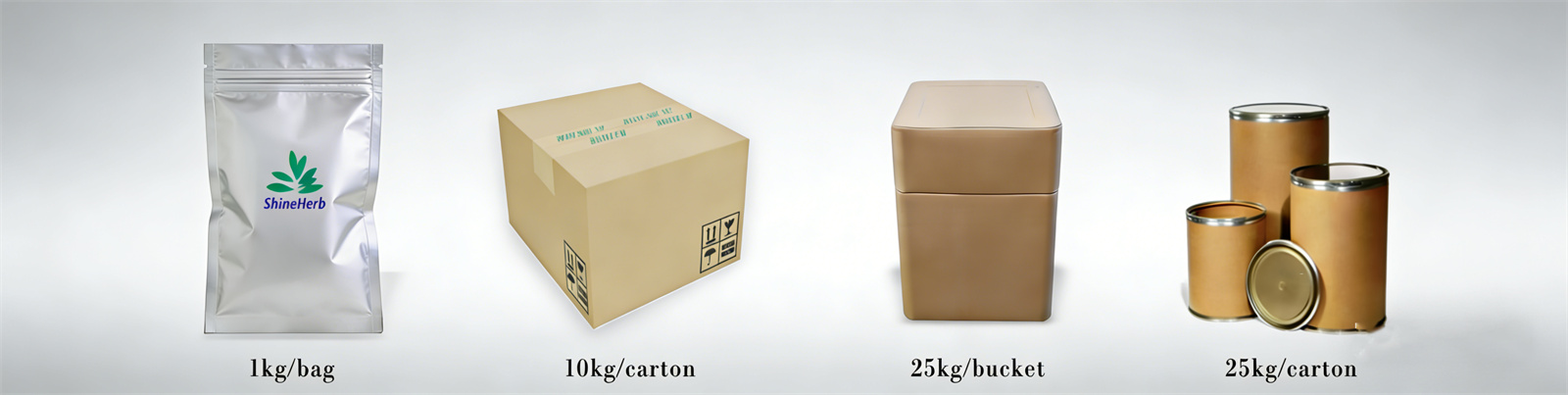
| 1kg | bag/kg, box outside (double plastic bag + Aluminum foil bag inside) |
| 10kgs, 25kg or more | by Drums or carton (2 layers plastic bag inside) |
| Weight | Delivery method | Delivery time | Destination |
|---|---|---|---|
| 1kg-25kgs | EMS, DHL, UPS, Fedex | 3-7 days | Door to door |
| 25kgs-100kgs | DHL, FedEx, by Air | 3-7 days | Door to door (to Airport by Air) |
| More than 100kgs | by Air | 3-7 days | Door to Airport |
| by Sea | 10-35 days | Door to port |

Aminopeptidase is produced through the fermentation of Aspergillus oryzae. It is then refined using advanced extraction processes such as microfiltration, ultrafiltration, and vacuum freeze-drying to ensure food-grade purity.
It is widely used in processing bone and meat by-products, producing bone extract, collagen, aquatic product protein hydrolysis (fish, shrimp, oysters, clams), plant proteins (soybean and rice peptides), plasma protein powder, and fermented condiments like soy sauce.
Aminopeptidase functions effectively within a temperature range of 35–85°C (optimal 50–60°C) and a pH range of 3–9 (optimal 6–7).
It is recommended to store the enzyme in a cool, dry place protected from light, ideally at temperatures below 0°C. High temperature or humidity may reduce activity, requiring a higher dosage during application.
Packaging options include 1kg bags/boxes or 10kg/25kg drums and cartons. Delivery is available worldwide via Express (EMS, DHL, UPS, FedEx) for smaller quantities, and Air or Sea freight for larger orders over 100kgs.