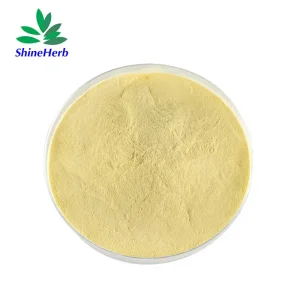
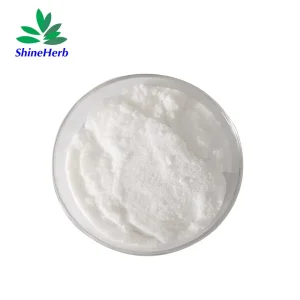
Product Description
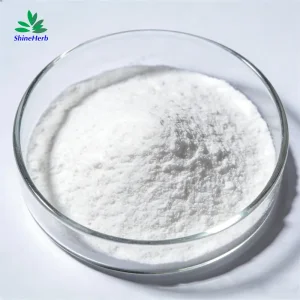
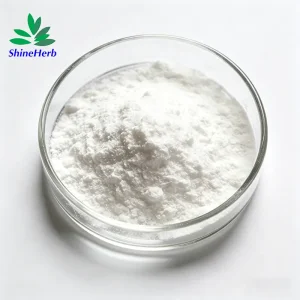
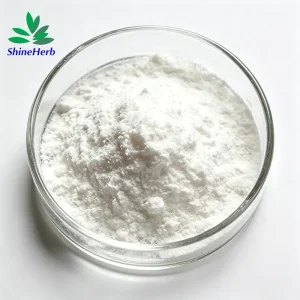
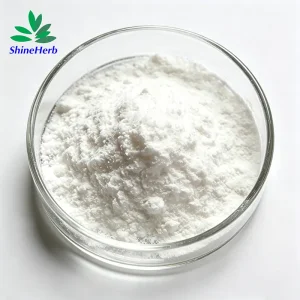
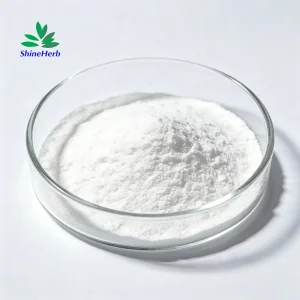
Lactase, also known as β-galactosidase or β-D-galactoside galactohydrolase, catalyzes the breakdown of lactose into one molecule of glucose and one molecule of galactose. Meanwhile, lactase also exhibits transgalactosylation activity.
Neutral lactase has an optimum pH range of 6.0–7.0 and is derived from Kluyveromyces lactis. It delivers the highest activity in neutral dairy products such as milk and is widely applied in the industrial production of low-lactose milk and liquid dairy products.
Specification
Neutral lactase
Activity: 2500NLU/g, 5,000NLU/g, FCC method
Related products: Acid lactase, Activity: 160,000ALU/g Max, FCC method
Features
Neural lactase is fermented from Kluyveromyces lactis, Activity is expressed by NLU/g, it is in colorless ~ deep brown liquid. Normal use in liquid milk. It is Enzymes react in vitro.
The optimum pH & temperature
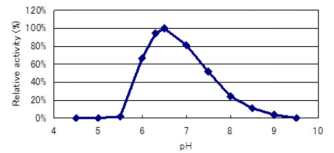
Lactase(neutral) 5000NLU/g
pH: 6.5, temperature: 30℃
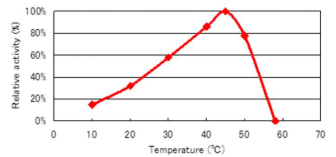
Lactase(neutral) 5000NLU/g
pH: 6.5, temperature: 45℃
Dosage Recommendation
Dosage recommendation depends on below conditions:
- Milk composition including fat and lactose concentration
- Desired level of lactose in final product
- Batch processing conditions (hydrolysis time and temperature)
- Post-packaging conditions after in-line dosing (storage time and temperature)
Usages of Neutral Protease
1. 37℃ Reaction Processing Technic
Sterilized milk → add neutral lactase 2500NLU/g 1%-2% (dosage based on the milk weight) → 37℃, enzymatic reaction 6-8h → inactivation → package
2. 9℃ Reaction Processing Technic
Sterilized milk → add neutral lactase 2500NLU/g 1%-2% (dosage based on the milk weight) → 9℃, enzymatic reaction 20-24h → inactivation → package
Application Scenarios
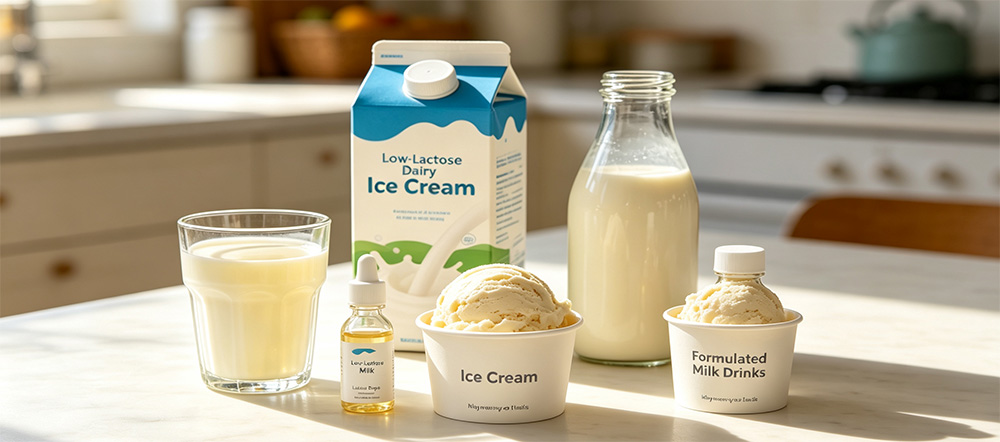
- Neutral lactase can be dosed inline in production lines of liquid milk, UHT milk and pasteurized milk, which is the preferred enzyme for industrial low-lactose milk and lactose-reduced milk.
- Raw material for finished infant lactase drops.
- Ice cream and formulated dairy beverages.
Packing & Shipping
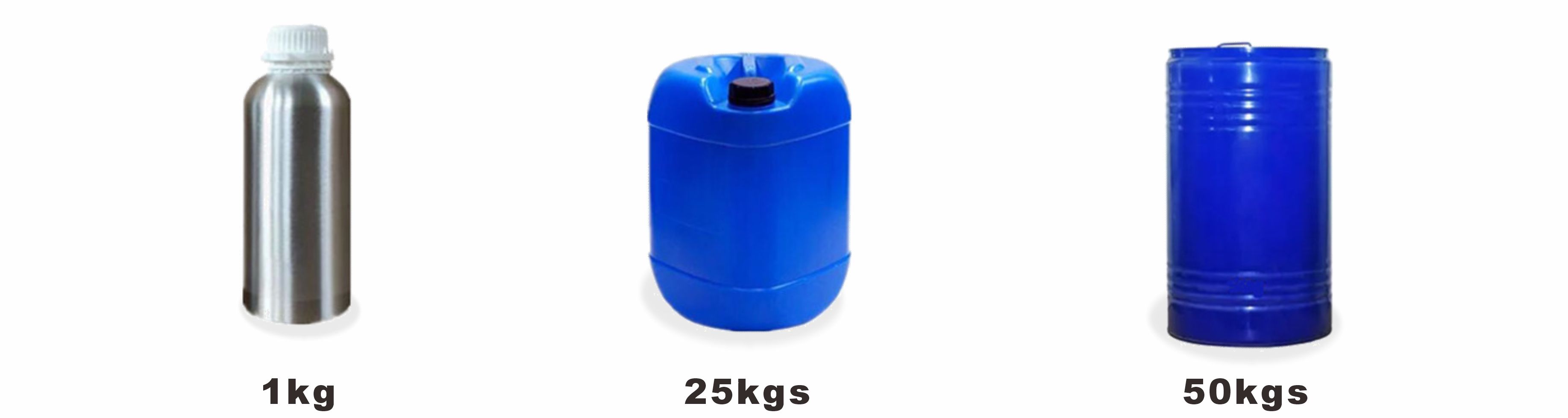
1 kg: Double plastic bag + aluminum foil inner bag, carton outside. Shipped via express, 3-7 days, door to door.
10-25 kg: Double layer inner plastic bag, drum or carton outer. By express or air freight, 3-7 days, door to door or airport delivery.
>100 kg: Double layer inner plastic bag, drum or carton outer. Air freight (3-7 days, door to airport); Sea freight (10-35 days, door to port). Custom packaging is acceptable.
Frequently Asked Questions (FAQ)
1. What types of milk does neutral lactase enzyme mainly apply to?
Mainly cow’s milk sold in market, including: Pasteurized partially skimmed milk, UHT milk, Regular cow’s milk / whole milk. The milk pH is normally around 6.6–6.8.
2. What dosage of your enzyme would you recommend to hydrolyze most of the lactose in 500 liters of milk?
Add neutral lactase 0.02-0.1% (based on liquid weight, adjustable according to lactose content in milk).
3. How long should the enzyme be allowed to act, and at what temperature?
Hydrolysis at 35 ℃ for 5 hours (or at around 9 ℃ for 20-24 hours), stirring during the hydrolysis process is beneficial for material uniformity → heating to 85 ℃ to inactivate enzymes → cooling → post-treatment.
4. What percentage of lactose reduction can we realistically achieve under the recommended conditions?
The lactose content can be reduced to below 0.1% at most.
5. Based on your previous experience, how many liters of regular liquid milk can 100 ml of your liquid neutral lactase treat?
100ml can be used for 500L of milk, the maximum lactose removal rate can reach 0.1%.
6. Is the 5,000 NLU/g activity guaranteed and stated on the COA?
Yes. Under reasonable storage conditions (2-8 ℃), it maintains activity above 5000 NLU/g, and the enzyme activity of each batch is tested and shown in the COA.
 ShineHerb