 ShineHerb
1 / 2
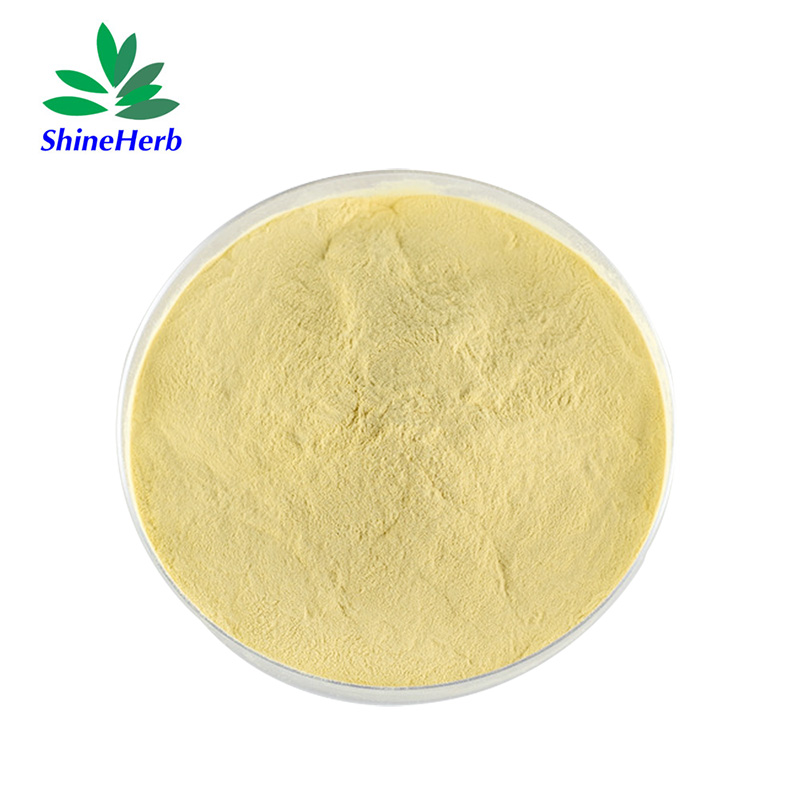
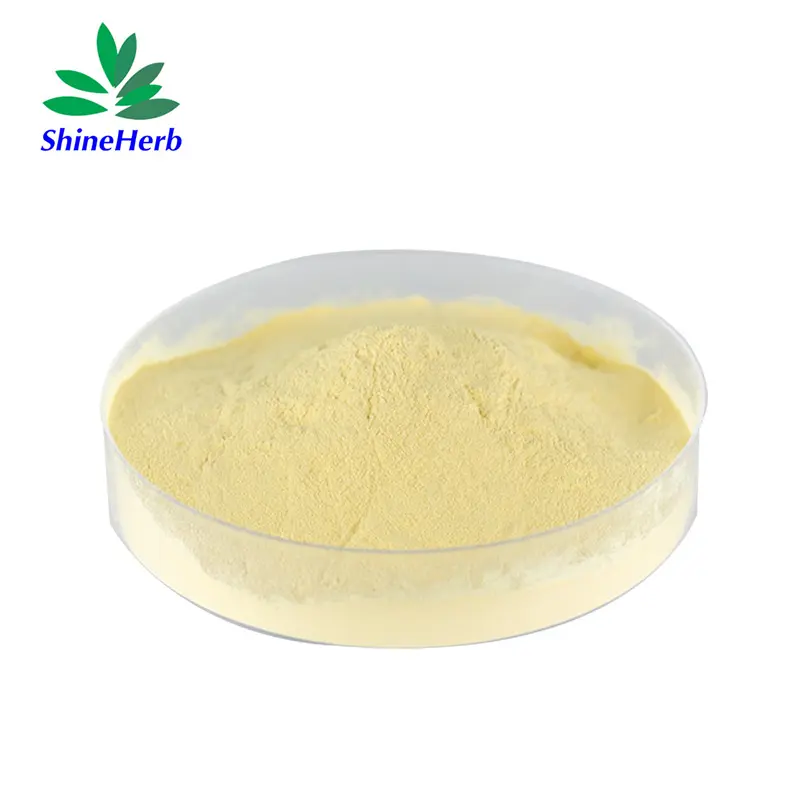
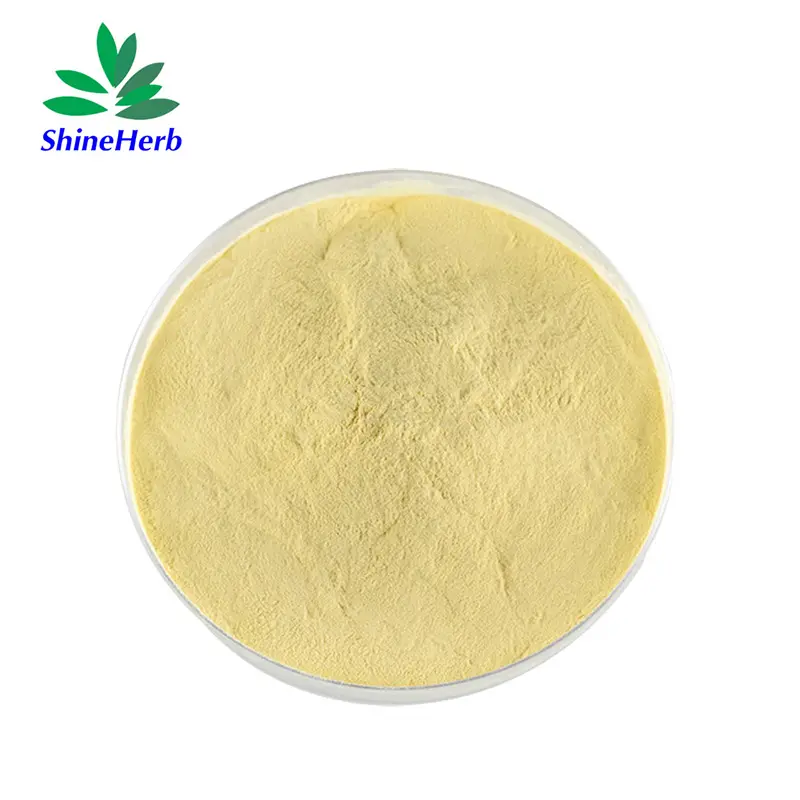
Cellulase is produced via submerged fermentation of Aspergillus niger, followed by extraction and refining. It contains a complex enzyme system rich in endoglucanase, exoglucanase, β-glucosidase and other enzymes. The enzyme acts on internal β-1,4 glycosidic bonds to degrade cellulose; it also cleaves β-1,4 bonds at the non-reducing ends of cellodextrins to produce cellobiose, which is further hydrolyzed into glucose.
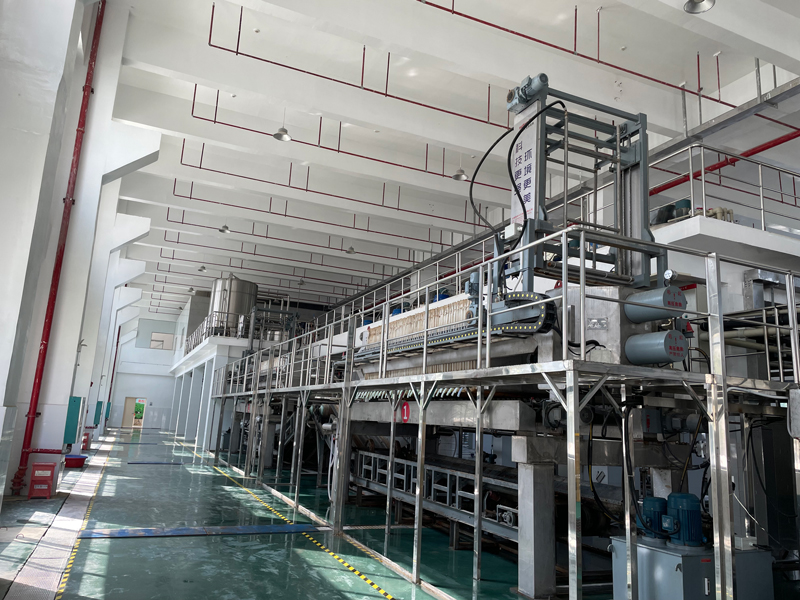
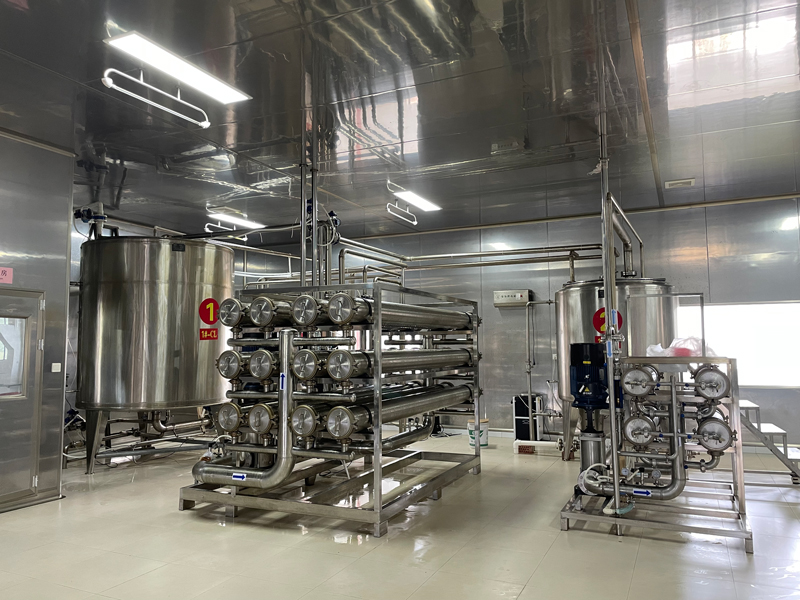
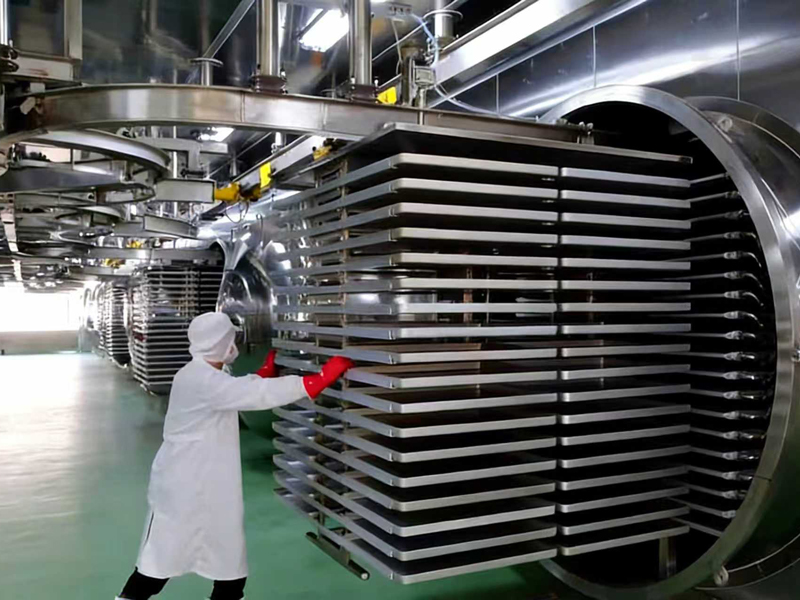
Manufactured through microbial fermentation, the product adopts microfiltration, ultrafiltration and other technologies to boost enzyme activity and ensure sanitation, complying with food-grade standards. It is safe for application and causes no harm to the environment.
It features a compound multi-enzyme system mainly consisting of exo-β-glucanase, endo-β-glucanase and β-glucosidase, as well as hemicellulase. It enables thorough hydrolysis with high glucose yield.
Its optimal working temperature ranges from 40 to 50℃. Cellulase remains stable at pH 4.5–6.5, with an optimal pH of 4.8.
One unit of enzyme activity is defined as the quantity of enzyme that produces 1 mg of glucose within one hour under the conditions of 40 ℃ and pH 4.8.
Store in a cool, dry place away from light. Recommended storage temperature: below 0°C.
Enzyme activity may decrease to varying degrees if stored for an excessively long time or under unfavorable conditions. If temperature or humidity is too high, an appropriate increase in dosage is recommended during application.
| Weight | Packing method |
|---|---|
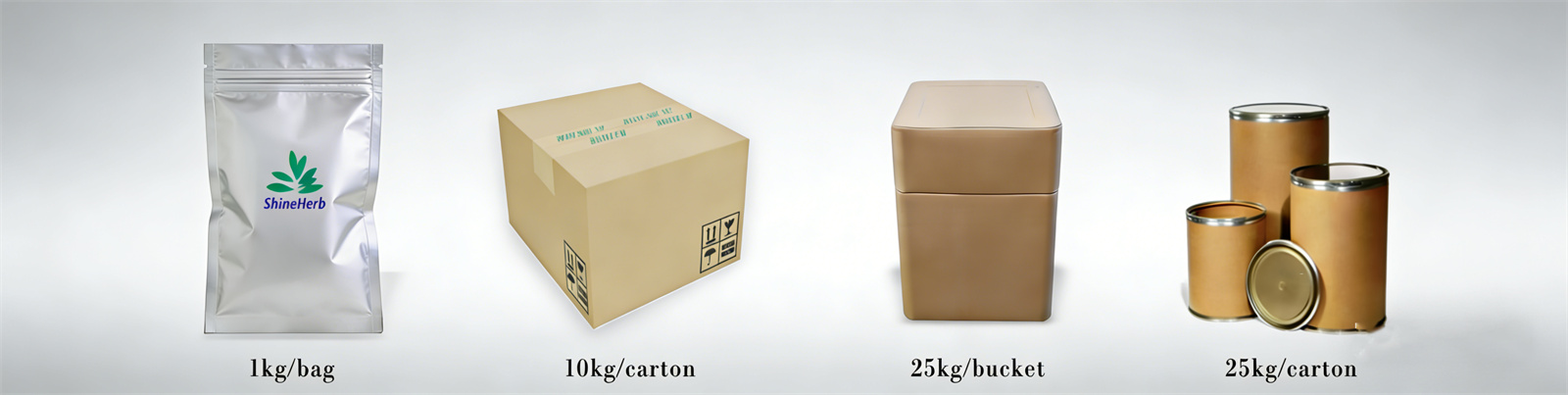
| 1kg | bag/kg, box outside (double plastic bag + Aluminum foil bag inside) |
| 10kgs, 25kg or more | by Drums or carton (2 layers plastic bag inside) |
| Weight | Delivery method | Delivery time | Destination |
|---|---|---|---|
| 1kg-25kgs | EMS, DHL, UPS, Fedex | 3-7 days | Door to door |
| 25kgs-100kgs | DHL, FedEx, by Air | 3-7 days | Door to door (to Airport by Air) |
| more than 100kgs | by Air | 3-7 days | Door to Airport |
| by Sea | 10-35 days | Door to port |

How is this Cellulase produced?
Cellulase is produced through submerged fermentation of Aspergillus niger, followed by specialized extraction and refining processes to ensure high purity and enzyme activity.
What are the optimal working conditions for this enzyme?
The optimal working temperature for the Cellulase ranges from 40 to 50℃. It remains highly stable within a pH range of 4.5–6.5, with an optimal pH of 4.8.
In which applications is this Cellulase commonly used?
It is widely used in animal feed (to improve fibrous feed absorption), alcohol fermentation (to boost ethanol yield), and soy sauce brewing (to increase concentration and reduce production cycles).
How should the Cellulase be stored to maintain its activity?
It is recommended to store the enzyme in a cool, dry place away from direct light, ideally at temperatures below 0°C. If stored in high temperature or humidity, you may need to increase the dosage during application.
What are the standard packaging and delivery options?
We offer 1kg bags (foil bag inside, box outside) and bulk options of 10kg or 25kg+ in drums or cartons. Delivery options include air, sea, and express couriers (DHL, EMS, FedEx, UPS) depending on order weight.
What does a single unit of enzyme activity represent?
One unit of enzyme activity is defined as the amount of enzyme required to produce 1 mg of glucose in one hour under standard test conditions of 40℃ and pH 4.8.